
Highlights
- Pakistan says strikes killed 26 militants linked to Tehreek-e-Taliban Pakistan (TTP) group
- Islamabad describes strikes as "precise and calibrated", targeting militant hideouts, training camp and ammunition cache
- Residents say victims were civilians with no militant ties
- Pakistan signals military operations will continue
PAKISTAN has renewed deadly airstrikes on neighbouring Afghanistan, officials in both countries said on Wednesday (10), in the worst violence in weeks following a period of relative calm.
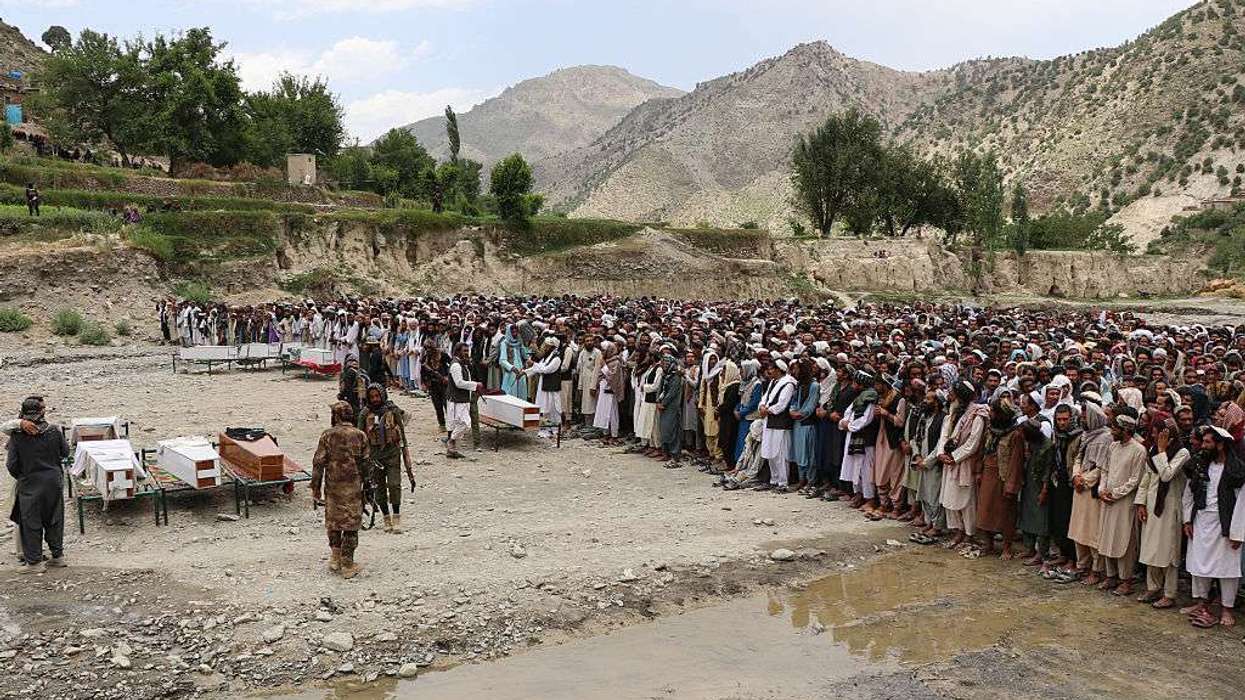
An AFP journalist saw a house completely destroyed in the southeastern province of Khost, where residents were digging graves to bury those killed in a nighttime attack.
Afghanistan's government spokesman, Zabihullah Mujahid, said "11 children, one woman, and one elderly man were killed" in strikes on Khost, Kunar and Paktika provinces.
Islamabad said the strikes came in response to "recent terrorist incidents in Pakistan" and killed 26 militants linked to the Tehreek-e-Taliban Pakistan (TTP) group.
Pakistan's information minister Attaullah Tarar said that "precise and calibrated strikes" targeted militant "hideouts and safe havens" in border areas, without commenting on civilian casualties.
The attack in Khost's Spera district killed nine people and wounded 10 others, including children, a provincial official told AFP on condition of anonymity.
ALSO READ: Pakistan intercepts militant incursion at Afghan border
Multiple residents confirmed the death toll and said the strike hit Mane village soon after midnight (1930 GMT Tuesday).
"We and people from the neighbouring areas rushed to the scene and rescued the remaining people. We even took some wounded to the clinic," said Ali Jan Akhlaqi, a 29-year-old resident.
Shirbat Khan, a 55-year-old resident, told AFP those killed were "a poor family, they had done nothing" and had no ties to militants.
Pakistan's information chief said the strikes hit four targets, including a training camp, an ammunition cache and a hideout linked to two TTP commanders.
Deadliest strikes in weeks
In neighbouring Paktika, two residents said a separate attack killed three civilians in Barmal district. The strike hit a home, and those killed were children, one of the residents said.
The strikes are the deadliest in weeks and follow a period of relative calm at the border after conflict between the two countries erupted in late February.
An escalation saw fierce fighting along the frontier and unprecedented Pakistani airstrikes on Afghan cities -- including the capital Kabul and southern Kandahar, where the supreme leader is based.
At least 372 Afghan civilians were killed and 397 others wounded in that conflict in the first three months of this year, a United Nations report published last month said.
Relations between Pakistan and Afghanistan have been fraught since the Taliban authorities took power in Kabul for a second time in 2021.
Security issues have proved a sticking point, especially Pakistan's demand that Afghanistan curb the TTP militant group.
Islamabad accuses the Taliban government of sheltering militants behind a surge in attacks, particularly the TTP, which has waged a violent campaign against Pakistan for years.
Tarar, Pakistan's information chief, signalled military operations would continue.
"Pakistan has always strived for maintaining peace and stability in the region, but at the same time the safety and security of our citizens remains our top priority," he wrote on X.
Afghan officials have repeatedly denied the accusations from Islamabad, and counter that Pakistan harbours hostile groups and does not respect its sovereignty.
The border between the neighbours has remained largely closed since a flare-up in violence in October, freezing bilateral trade.
(AFP)





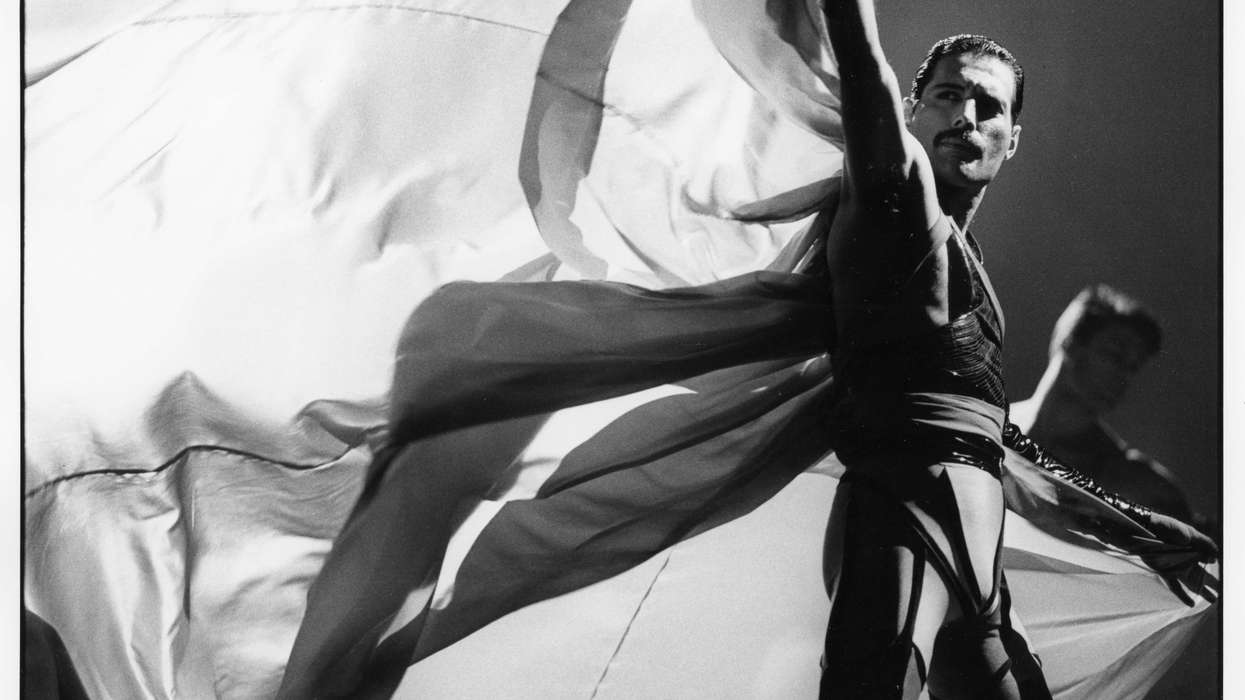
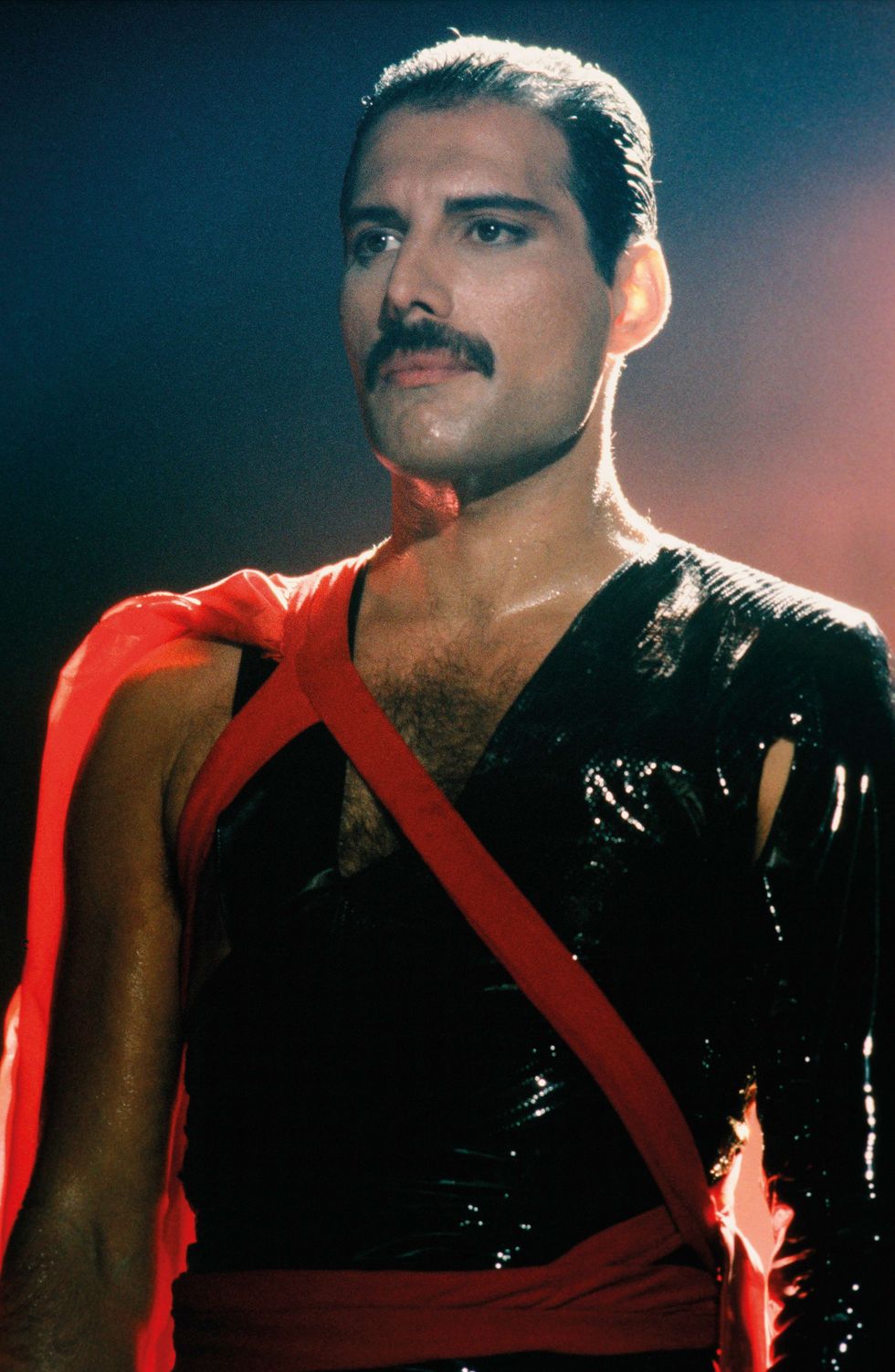 Freddie Mercury in the Made in Heaven music videoSimon Fowler © Mercury Songs Ltd
 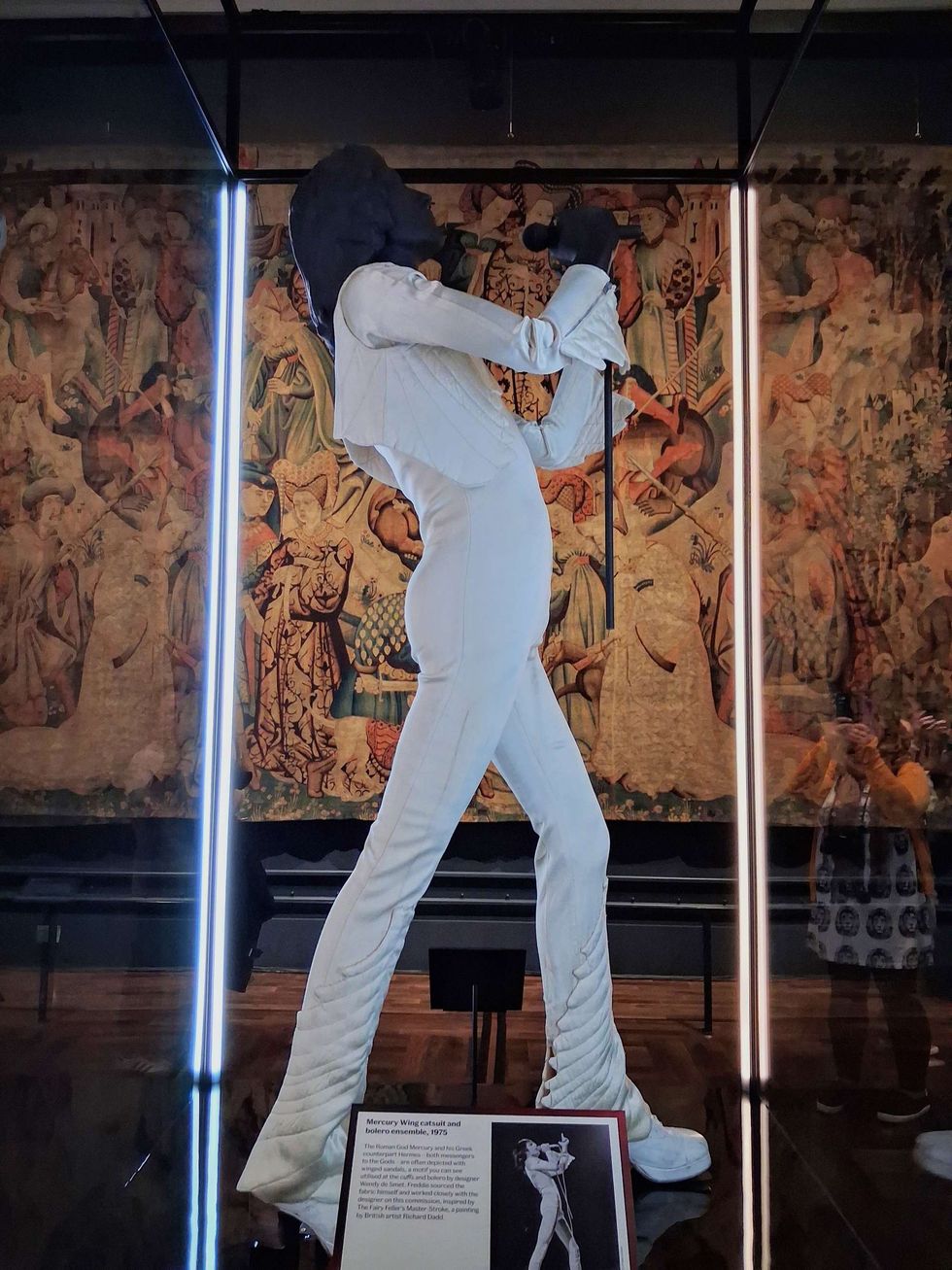 Mercury Wing Catsuit and bolero ensemble (1975)Amit Roy
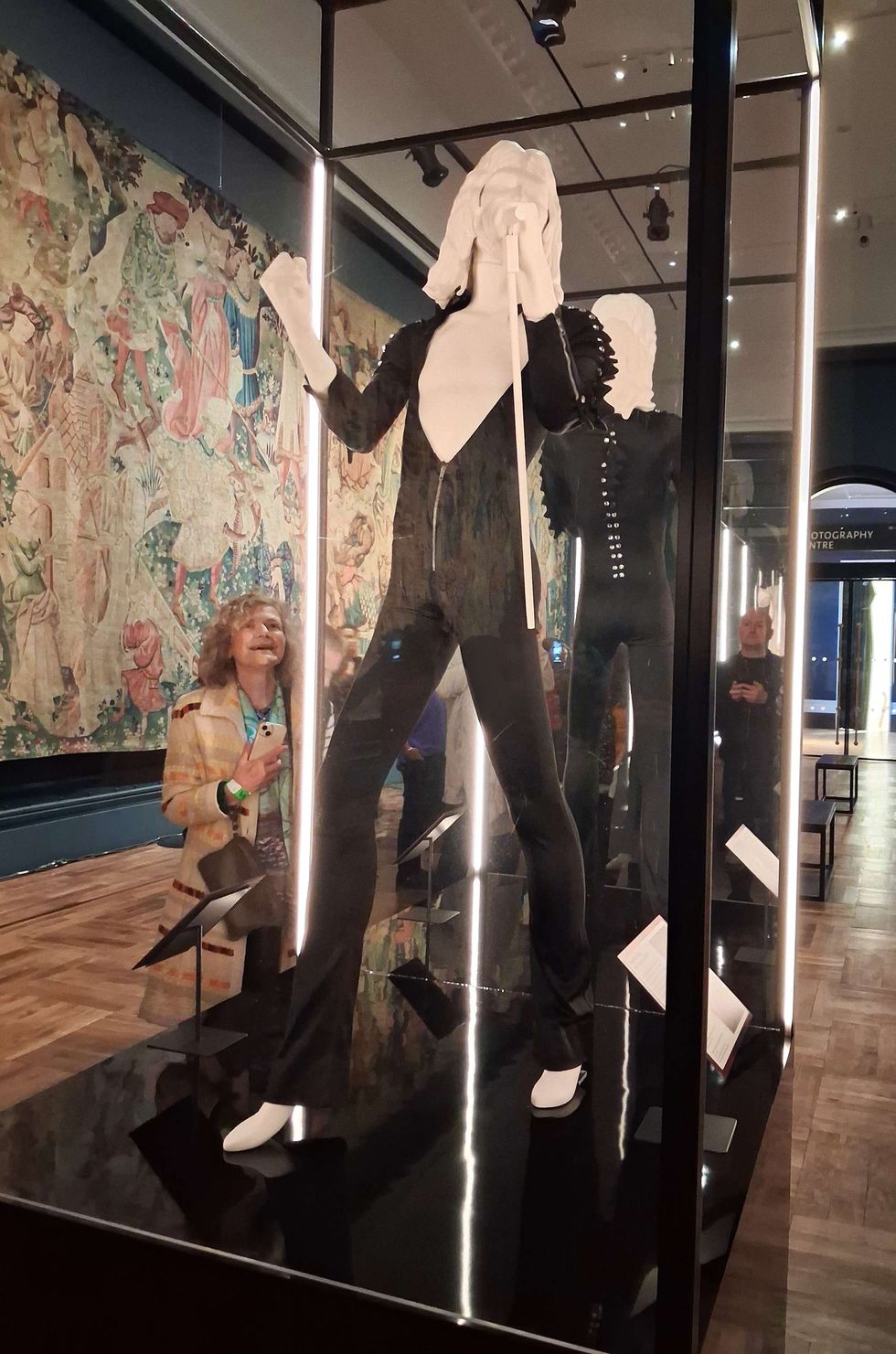 Designer Wendy de Smet with the spine suit or the Black Queen suit from 1975 Amit Roy
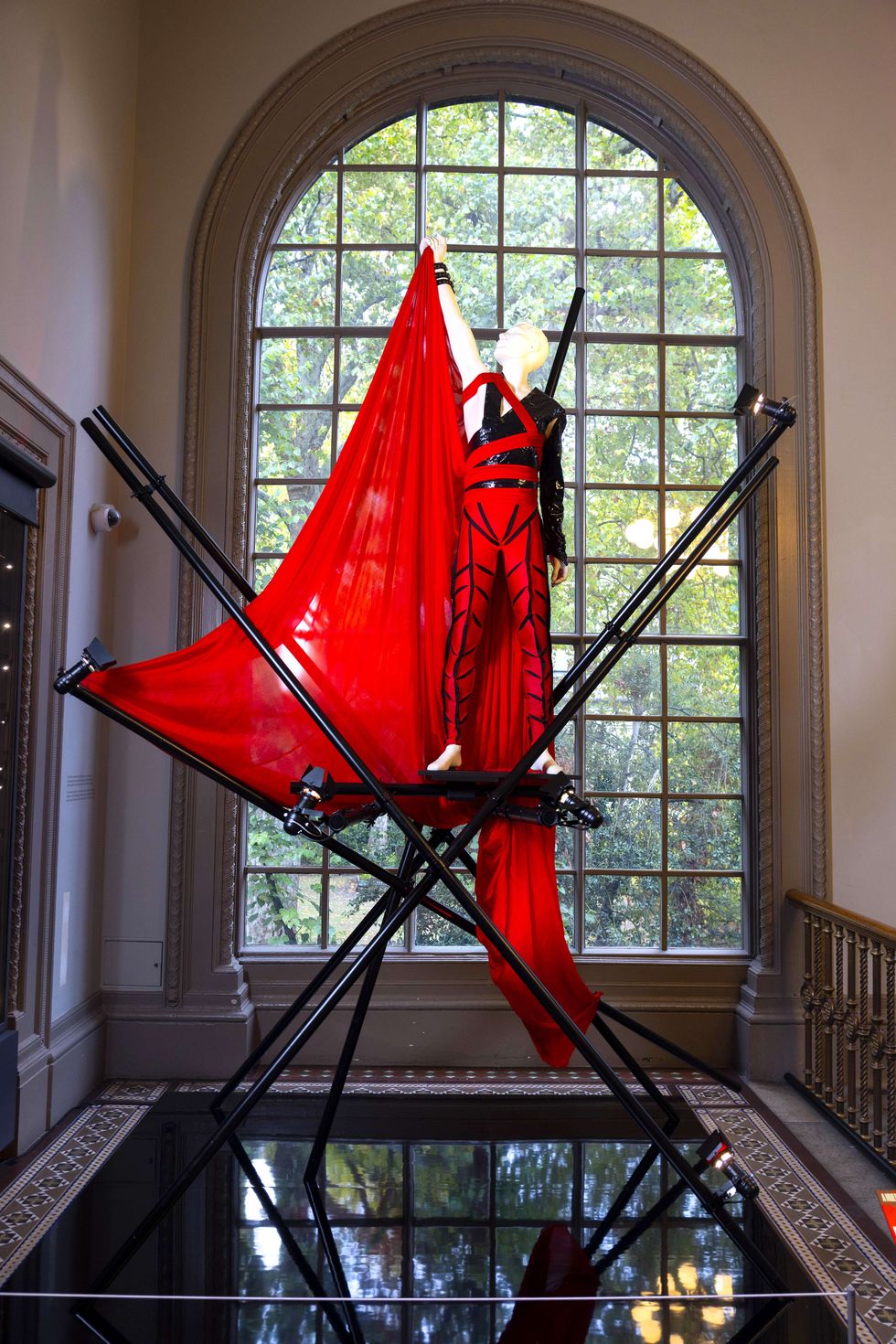 Made in Heaven music video costume (1985) David Parry/V&A
 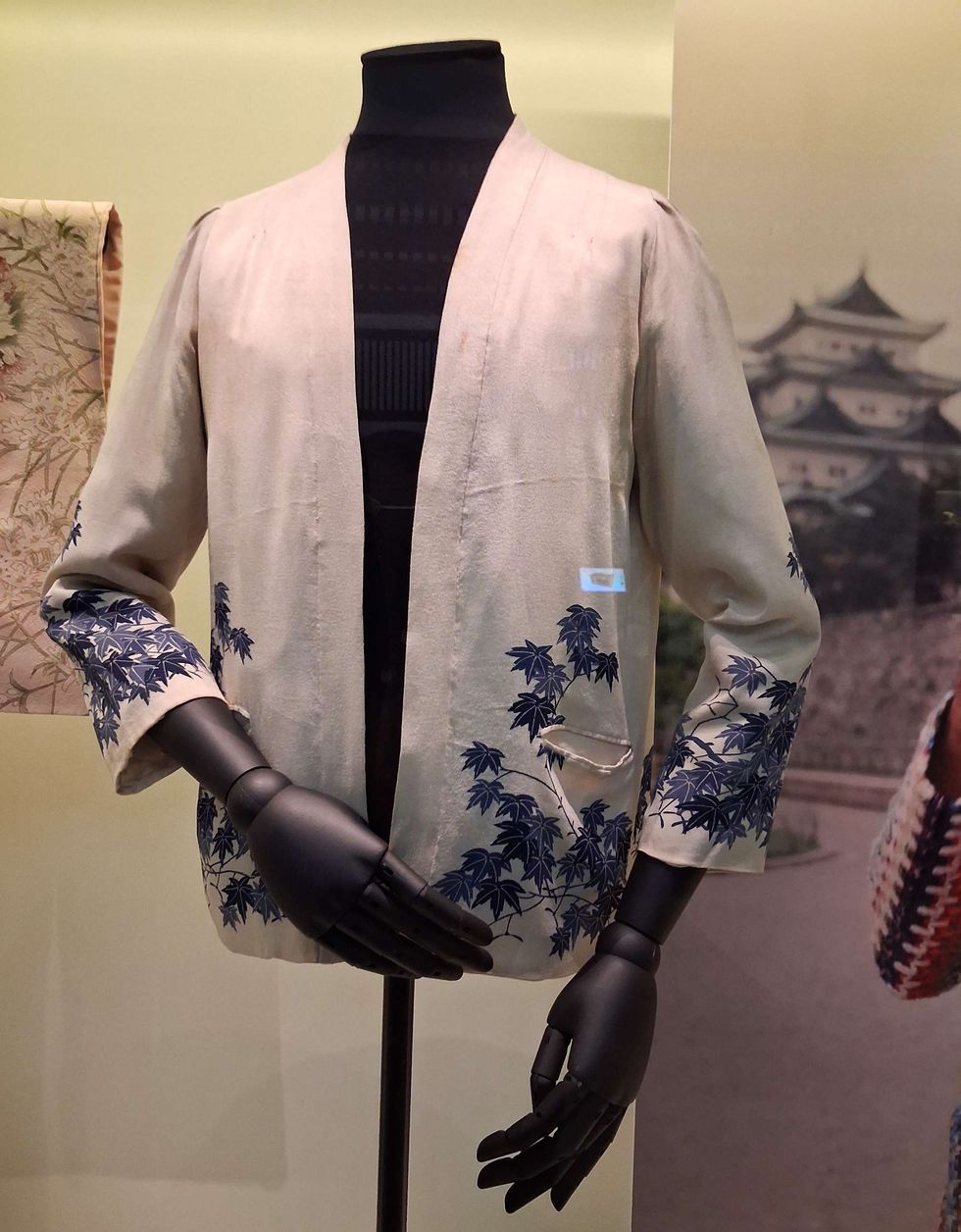 Japanese jacket (early 1970s)Amit Roy
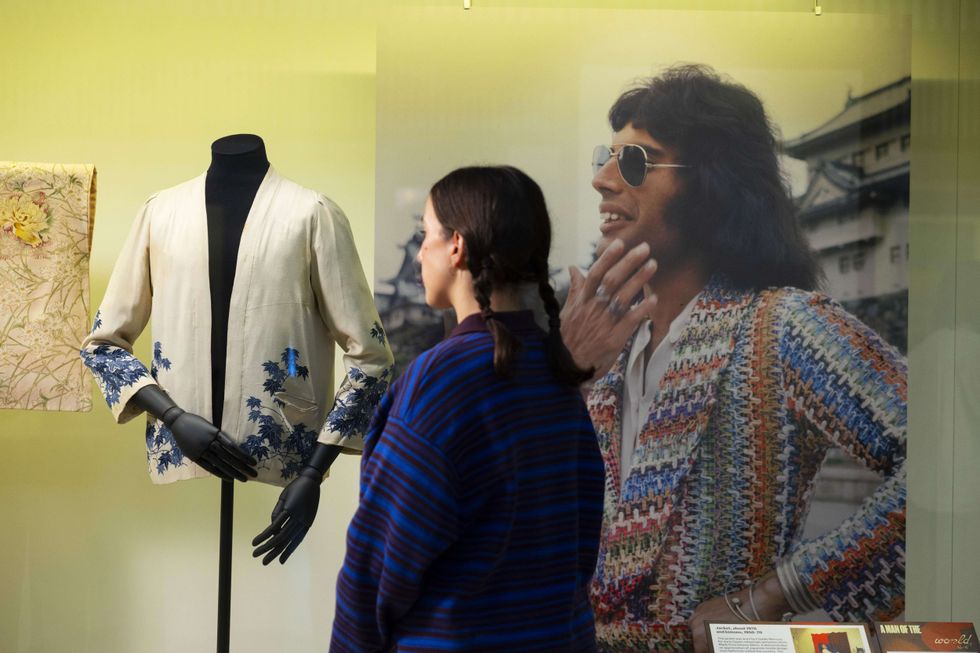 Japanese jacket (early 1970s) and kimono (1950-70) David Parry/ V&A
 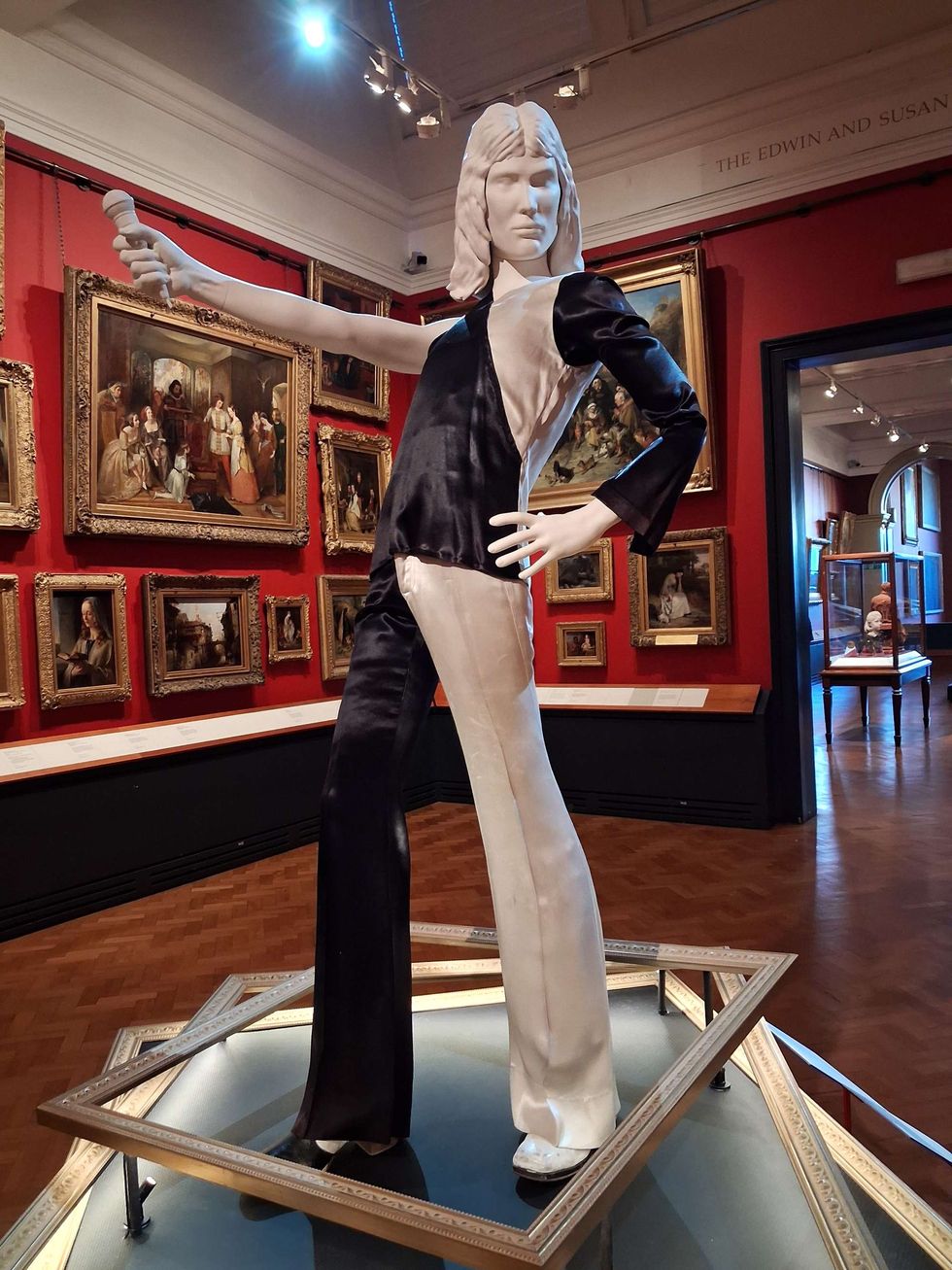 Ensemble worn for Imperial College gig in 1973Amit Roy
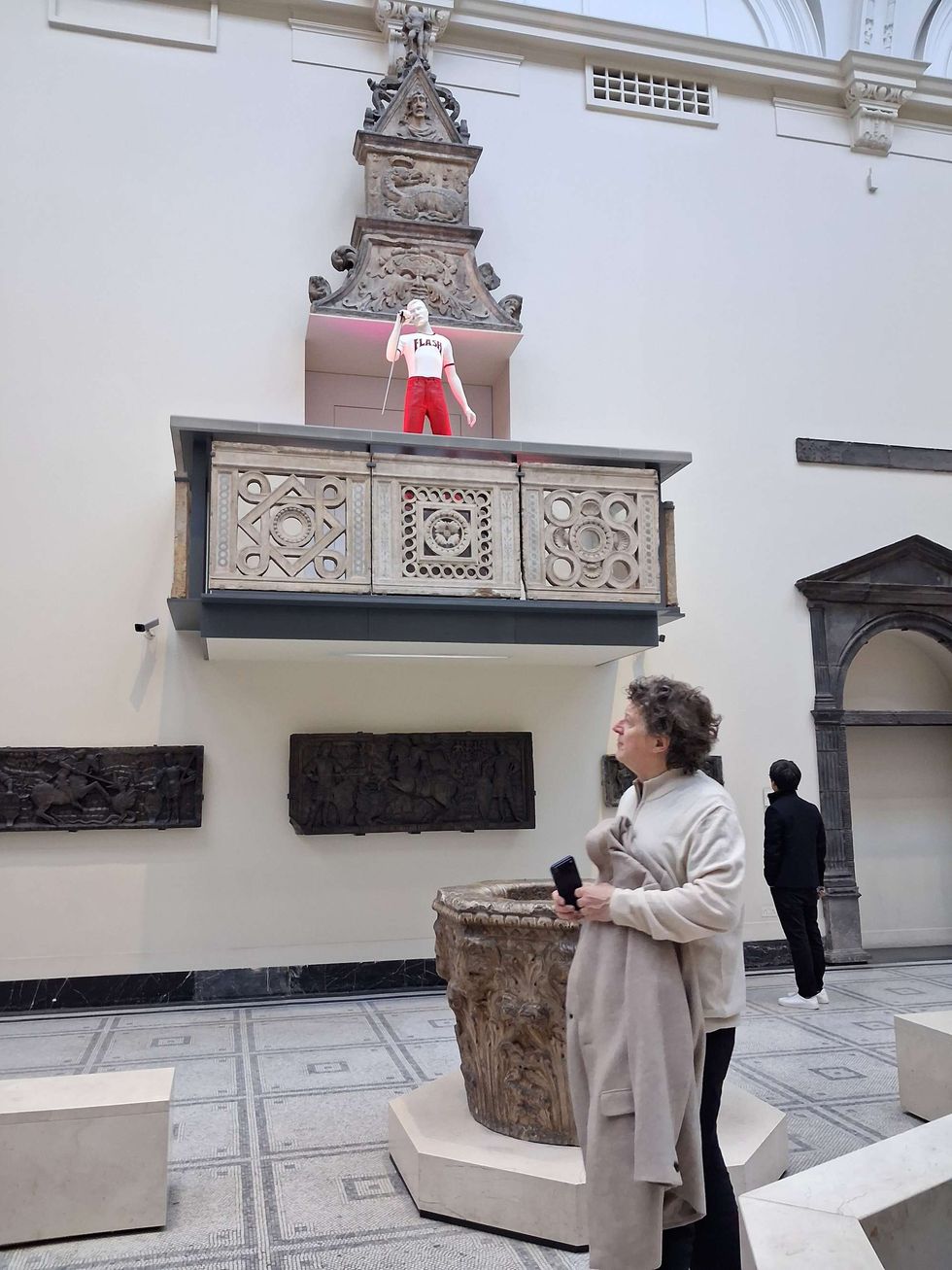 Flash ensemble and half mic (Flash Gordon 1980)Amit Roy
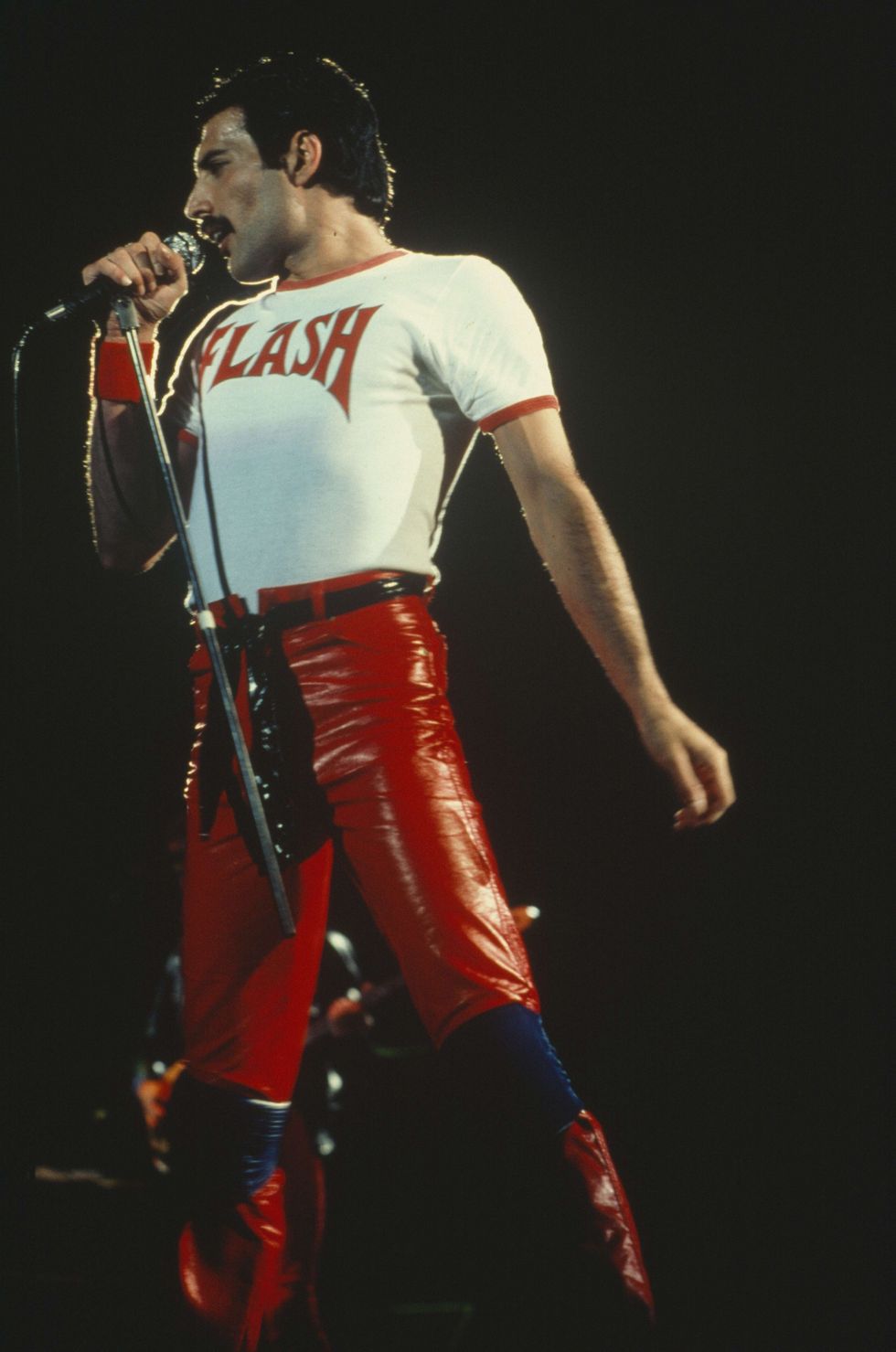 Freddie Mercury performs wearing a 'Flash' t-shirt at Sports Arena in San Diego, California, United States, on 5th July 1980David TanShinko Music/Getty Images
 Cloal and crown ensembleAmit Roy
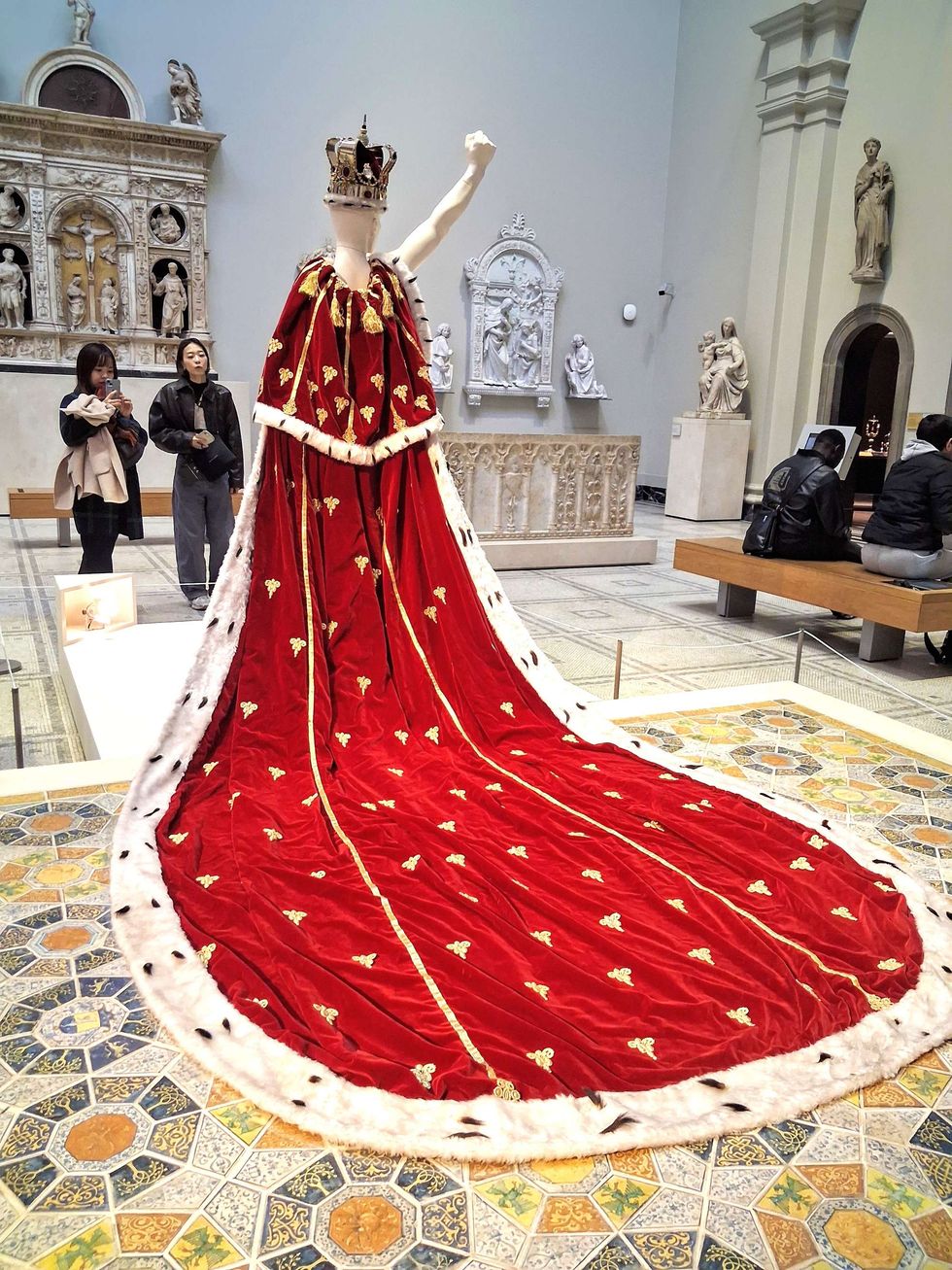 Cloak and crown ensemble (1986)Amit Roy
 Cloak and crown ensemble (1986)Amit Roy
 Freddie Mercury, Magic Tour (1986) Denis O’Regan