
Skip to content
Search

Latest Stories

Submit Guest Post

'Pagdi' sturdier than helmets, protects Sikhs from every trouble: Ex-Punjab Minister on Indian Army's proposal

The Ministry of Defence has issued a request for proposal (RFP) to buy specially designed helmets under the emergency procurement procedure for Sikhs.

'Pagdi' sturdier than helmets, protects Sikhs from every trouble: Ex-Punjab Minister on Indian Army's proposal

The central government should reconsider a proposal by the Indian Army to purchase helmets for Sikh soldiers, according to former Deputy Chief Minister of Punjab Sukhjinder Singh Randhawa who pointed out that turbans have been protecting Sikhs so far from "every trouble."

"Sikhs posted in the army in England, America, Canada or Australia do not wear helmets but turbans. Turban protects Sikhs from every trouble," Randhawa said on Friday. The Congress leader has urged the central government to reconsider the request by the Indian Army.


"Be it the war of 1962, 1965 or 1971, Sikhs have been on the front and earned victory for India. Be it Kargil or giving a befitting reply to China, Sikhs were ahead everywhere. The central government should reconsider this decision, the Congress leader said.

The Ministry of Defence has issued a request for proposal (RFP) to buy specially designed helmets under the emergency procurement procedure for Sikhs.

(ANI)

Add EasternEye As Your Trusted Source
preferred source on google news

More For You

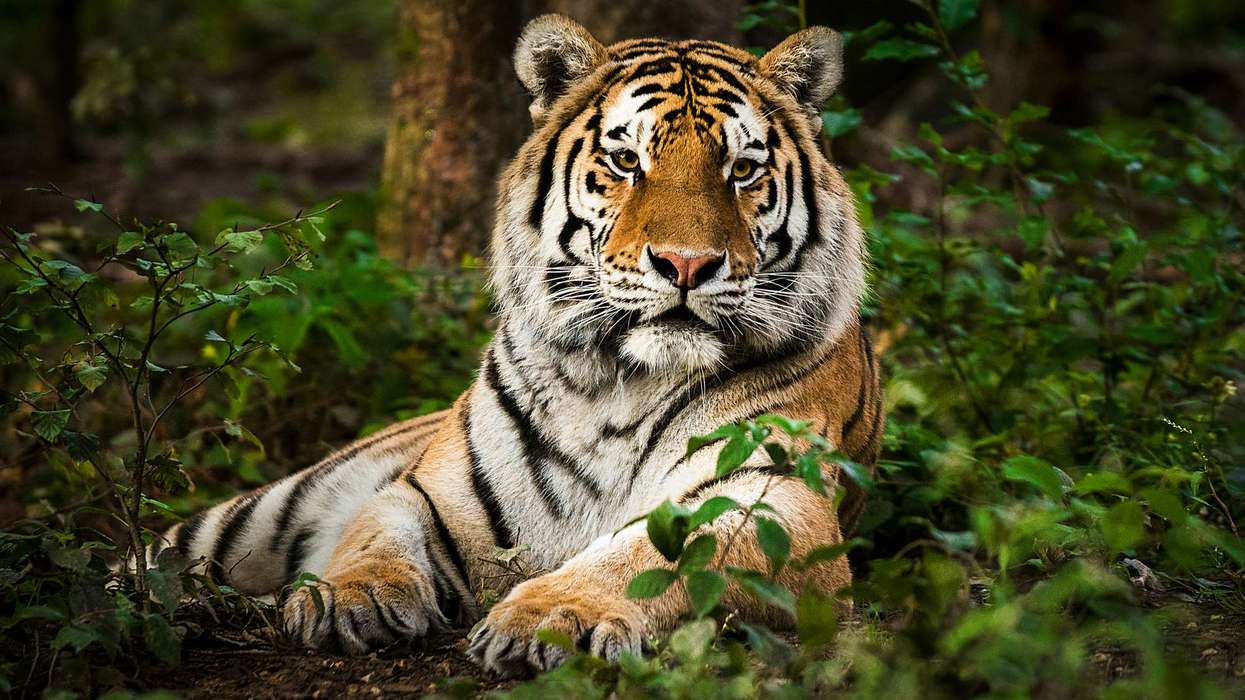
6 reasons there is an increase in tiger attacks in the last three years in India

These incidents reflect the growing challenge of managing encounters between people and tigers in India. Official figures cited in a India's Lok Sabha answer on 3 August 2026 recorded 74 deaths from tiger attacks in 2024 and 71 in 2025.

6 reasons there is an increase in tiger attacks in the last three years in India

Highlights:

  • India recorded 74 tiger-attack deaths in 2024 and 71 in 2025.
  • Habitat loss and growing tiger populations are pushing animals closer to human settlements.
  • Farmers, cattle grazers and villagers collecting forest produce face significant risks.
  • Crowds filming tigers can make encounters more dangerous, as incidents at Bandhavgarh and Ranthambore show.
  • Better habitat management, early warnings and responsible wildlife tourism could help reduce human–tiger conflict.

  • The fatal tiger attack at Yorkshire Wildlife Park in Doncaster has highlighted the dangers of close encounters with one of the world’s most powerful predators. The incident has also raised questions about human behaviour around wild animals and the risks of entering their space. While such incidents involving visitors are relatively rare, the threat of human–tiger conflict is a far more frequent concern in India, where dozens of people are killed by tiger attacks every year.

    Keep ReadingShow less