After bringing home just two medals from the Rio Olympics, India needs to be realistic in its preparations for the 2020 Tokyo Games and should narrow its focus to a handful of sports, says former All England badminton champion Prakash Padukone.
PV Sindhu’s silver medal in the badminton women’s singles and a bronze from wrestler Sakshi Malik at the Rio Games was considered a sorry return for a nation of 1.3 billion people.
India have won a total of 28 medals since first competing at the Olympics in 1900, but a government think tank has come up with a strategy it hopes will help the country to 50 medals in 2024, including prioritising 10 sports.
Padukone, who emerged from India’s backwaters to win the All England in 1980, 12 years before badminton made its debut as a medal sport at the Barcelona Games, thinks funding should be channelled into fewer sports.
“There are only five or six sports where we can get a medal,” he said at his badminton academy in Bangalore. “We have chances in archery, boxing, badminton, wrestling, shooting and in team sport, hockey.
“Basically, we need to identify these sports and focus right now and provide as much funds. And then may be someone like gymnast, Dipa Karmakar, because she’s an exceptional talent.”
Padukone said India should follow the United States’ and Britain’s approach by starting preparations at least four or five years ahead of an Olympics.
“The preparation for the Tokyo Games should start from yesterday. I think we should be realistic and aim for 10 medals, nothing more than that,” he said.
Padukone added that success depended on having the right coaching and suggested bringing in foreign expertise.
“One of the major flaws which we need to address is to coach our coaches,” Padukone said. “In those sports where we don’t have the expertise, we should hire top coaches in the world.
“In one year, these foreign coaches can train 100 coaches. We need to create a separate institute for coaches where they are provided every possible facility in terms of theoretical knowledge, practical training and scientific support.”
There also needed to be change at the top with the Indian Olympic Association and sports federations, Padukone said.
“What India lacks is professionalism in sports federations. We need to have right people,” he added.
“They need not know anything about sports, but should be willing to learn. The Indian Institute of Management guys who know finance, marketing, are the right people.”
Padukone said India could learn from the England badminton association.
“They have a CEO and then they have different departments like marketing, development, sponsorship, coaching,” he said.
“Each department is headed by somebody and every year they have a target to meet.”

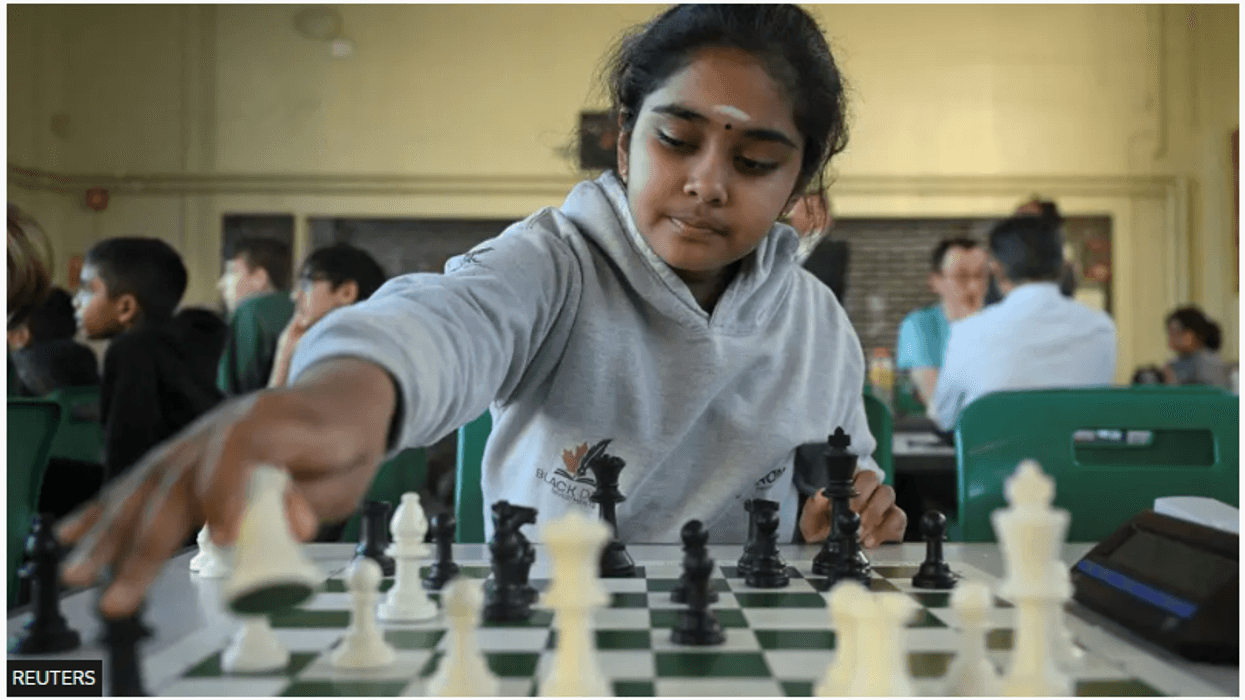
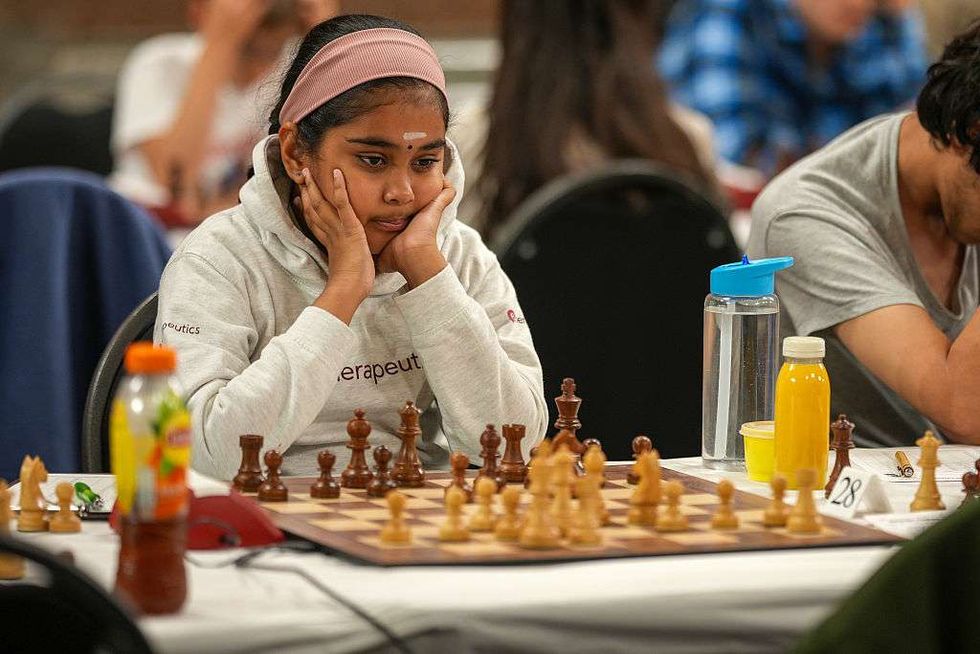 Bodhana Sivanandan, a nine-year-old chess prodigy, competes in the British Chess Championships at St. George's Hall on August 07, 2025 in Liverpool, England. The 111th British Chess Championships are taking place in Liverpool between 31 July to 10 August, with competitors vying for the title in the women's, men's, juniors' and over-60 groups. Organized by the English Chess Federation, the competition has been run annually - apart from war years - since 1904.Christopher Furlong/Getty Images