
Highlights
- Oxford University Innovation and Serum Institute of India have agreed a licence deal for R78C, a multi-stage malaria vaccine candidate
- The agreement covers development, large-scale manufacture, and commercialisation
- Malaria affects hundreds of millions of people annually, predominantly children in sub-Saharan Africa
THE University of Oxford and Serum Institute of India (SII) have agreed a licence deal to develop a multi-stage malaria vaccine.
Oxford University Innovation (OUI) and the world's largest vaccine manufacturer by volume signed the agreement this week for a candidate called R78C, which is based on two Plasmodium falciparum blood-stage antigens — RIPR and CyRPA.
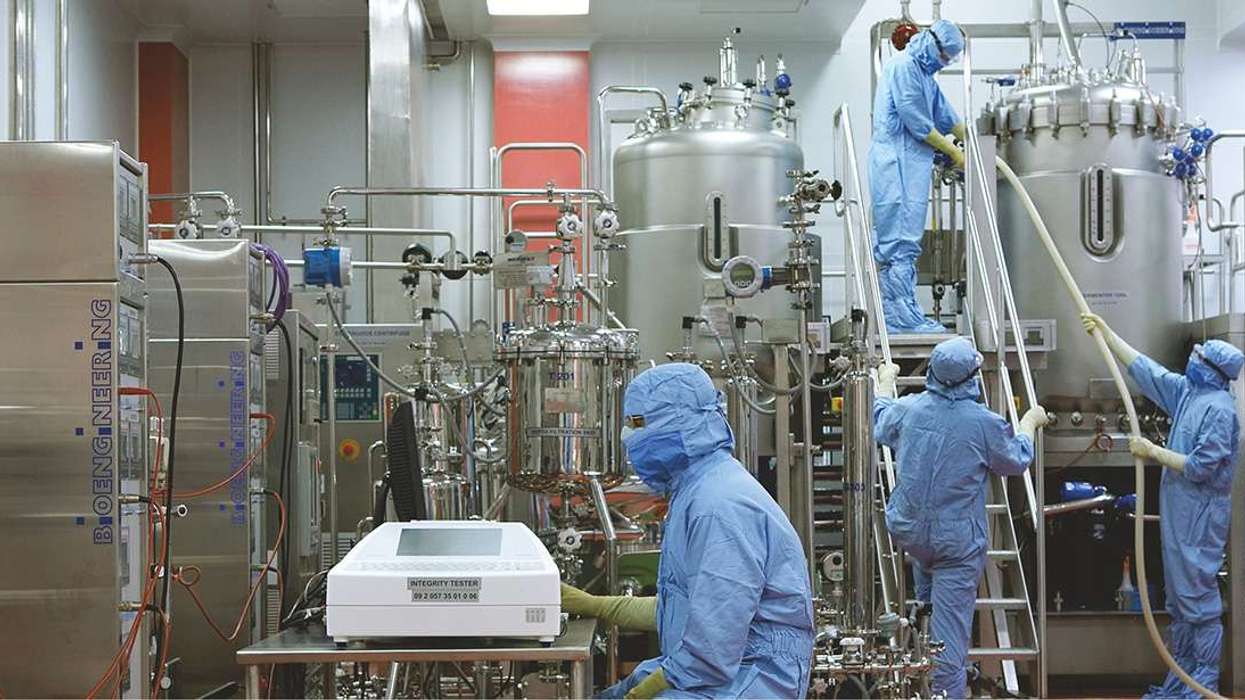
The deal allows SII to support the development, large-scale manufacture, and commercialisation of R78C, accelerating its move into clinical trials.
Simon Draper, professor of Vaccinology at Oxford, said the aim was to achieve more durable protection by combining antigens that act on different stages of the parasite. "Our collaboration with SII is central to ensuring these vaccines can be manufactured at scale and made accessible to populations most in need," he said.
SII executive director Dr Umesh Shaligram said the agreement built on the two organisations' existing work. "Malaria prevention demands continued scientific effort, especially as vaccine development moves towards targeting the parasite at different stages of its lifecycle," he said.
The partnership is focused on ensuring vaccines reach low and middle-income countries at affordable prices, using SII's global manufacturing capacity.
In a related move, SII has also signed an agreement with ExpreS2ion to access its expression platform, used in the production of both RH5.1 and R78C vaccine components.
Malaria affects hundreds of millions of people annually, with children in sub-Saharan Africa bearing the greatest burden. Vaccines that target the parasite at multiple stages are seen as key to long-term control and eradication.
(PTI)