
Highlights:
- The Orchestral Qawwali Project confirmed for Thursday night, 9 July 2026
- Rushil Ranjan and Abi Sampa bring their full symphonic qawwali show to Wales
- Part of a wider week of global music, dance and big-ticket headline acts
- Tickets start at £45 and go on general sale on 26 November
The Orchestral Qawwali Project will lead the Thursday night bill at the 2026 Llangollen International Musical Eisteddfod, a booking that puts one of the festival’s most talked-about names front and centre. The announcement lands with plenty of buzz around the group’s growing pull and the project’s rising demand across the live music circuit.
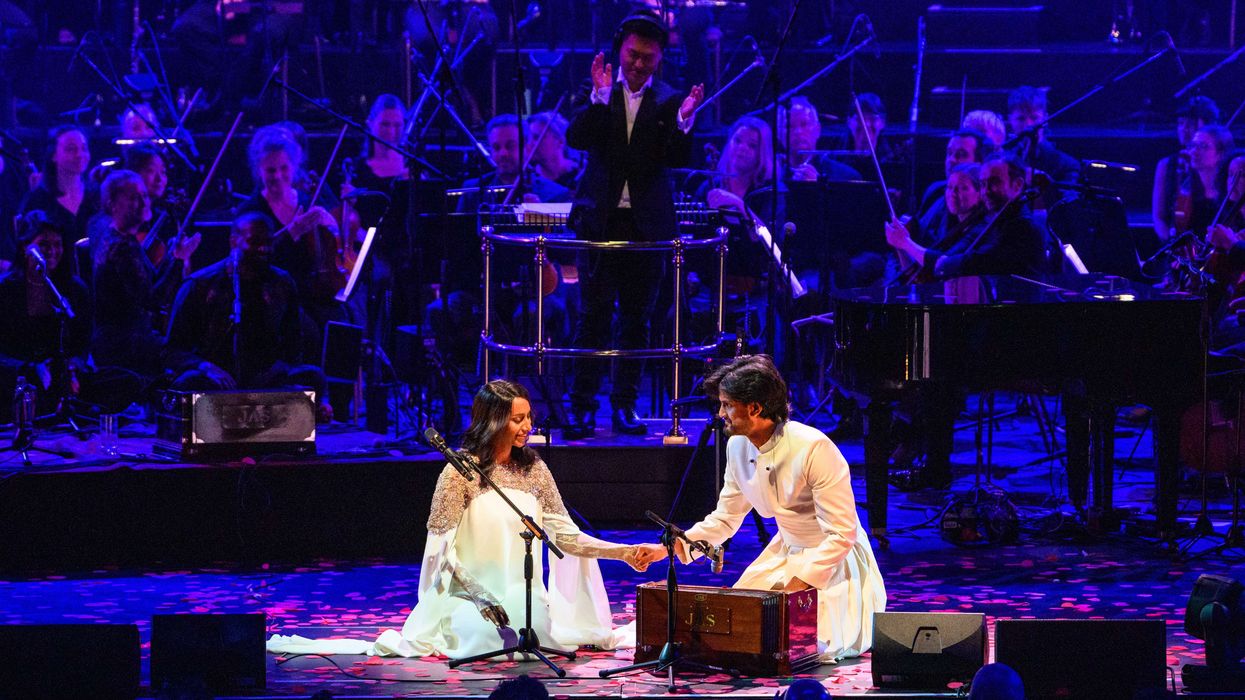
 Orchestral Qawwali Project headlines Llangollen Eisteddfod for first time www.easterneye.biz
Why the Orchestral Qawwali Project is such a draw
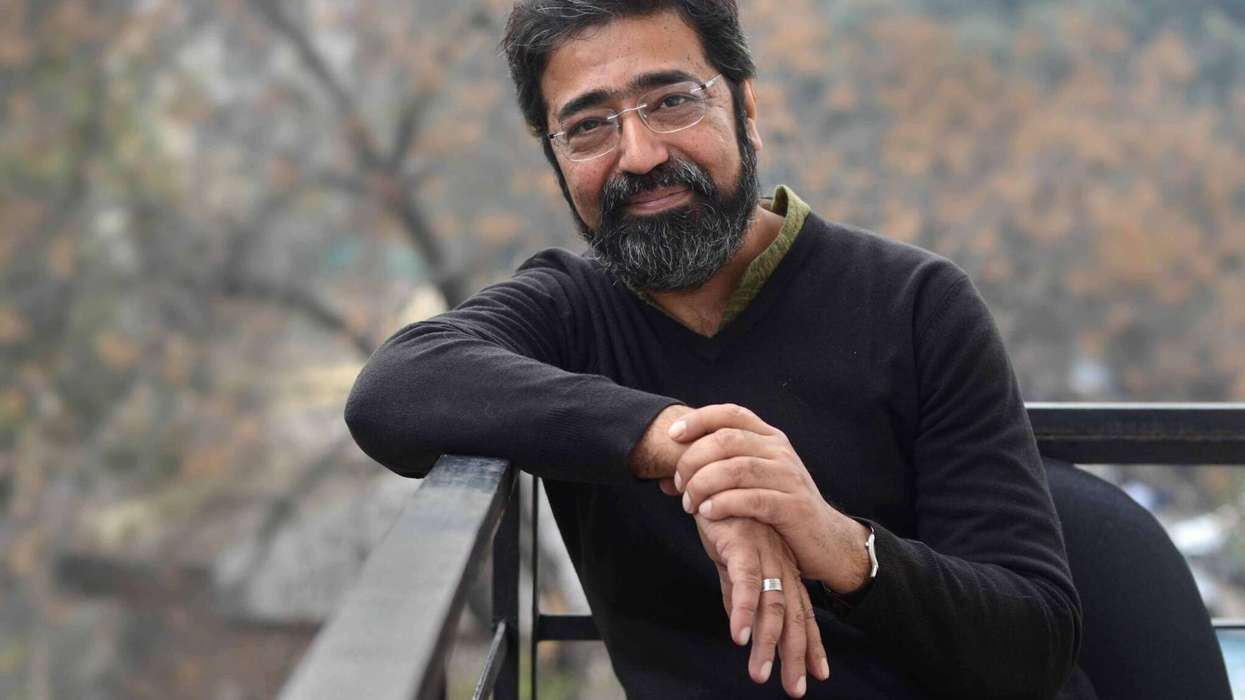
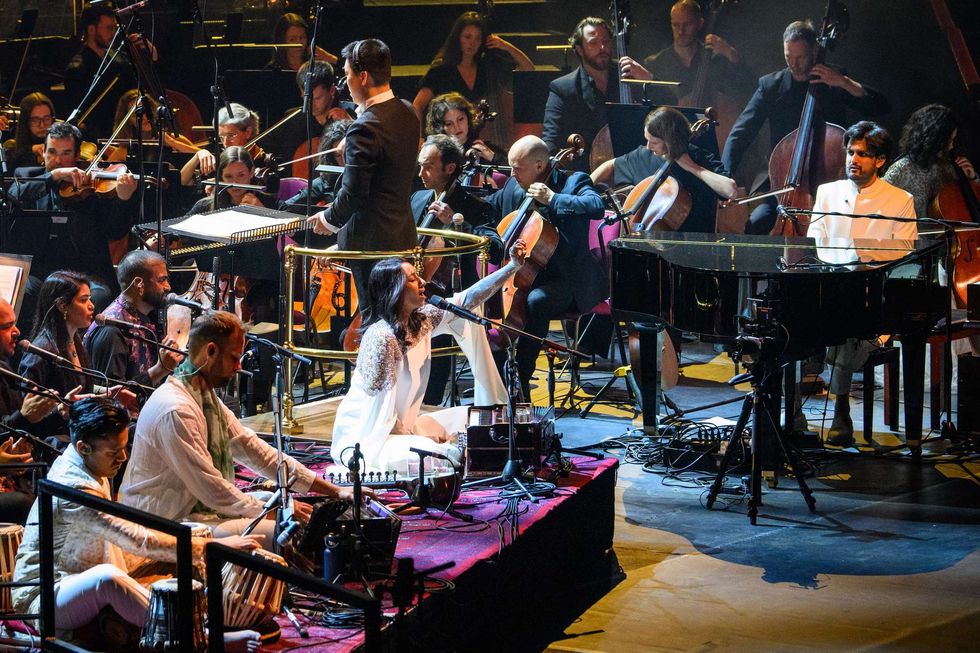
The show has built a reputation for its scale and emotional force, setting qawwali inside a full orchestral frame. Rushil Ranjan writes and directs the music, and Abi Sampa performs the vocals. Royal Albert Hall, Birmingham Symphony Hall, and Brighton Dome have all been packed.
Reviews have been strong too. The Financial Times called the project “rapturously energetic”, and the Glasgow Guardian wrote about how the performance “transcends and transforms”. Those lines have followed the group from one city to the next, building word of mouth ahead of the Llangollen date.
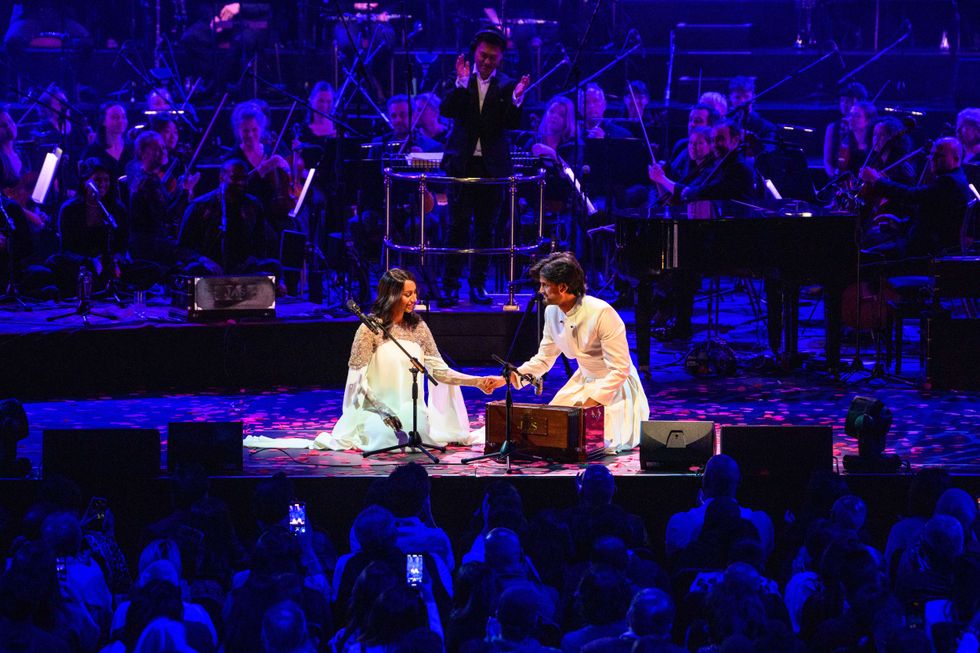
 Llangollen Eisteddfod welcomes full orchestra qawwali performance
How the 2026 headline night will look
The Thursday night slot usually features the biggest acts. This year, it is the Orchestral Qawwali Project. The Llangollen Pavilion has the kind of space that makes their long, rising qawwali pieces hit hard. Ranjan said the show is about connection and release. Doing it with a full orchestra “adds a power that’s unlike anything else.”
This will also mark the group’s first performance in Wales. “Electrifying and deeply moving,” said artistic director Dave Danford when confirming the booking.
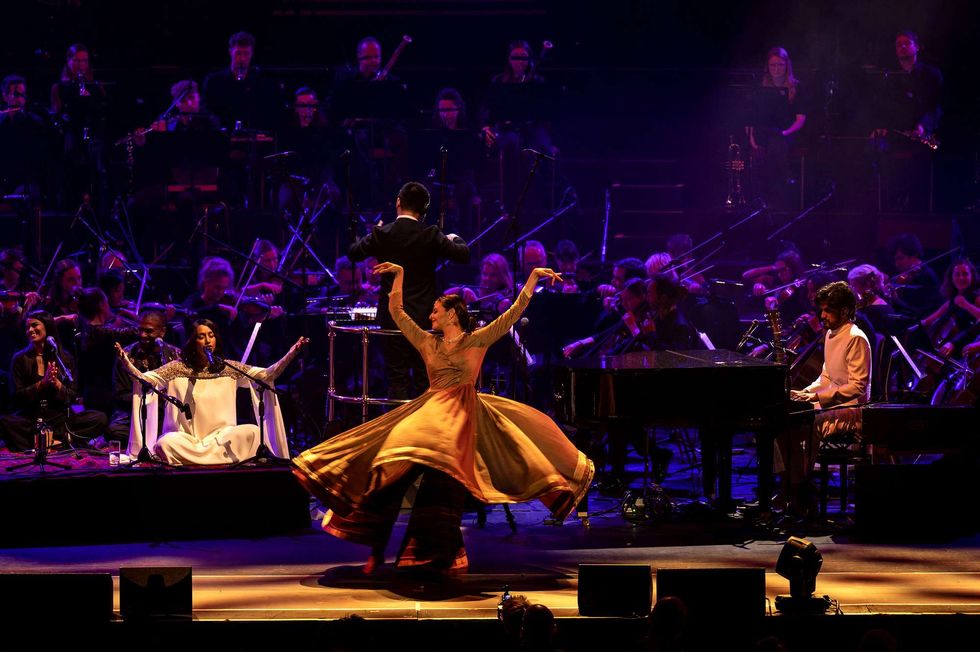 Orchestral Qawwali Project set to electrify festival audiences
What else is on the Llangollen 2026 line-up
The festival runs a full week, and the Thursday headline sits in the middle of a packed programme. Karl Jenkins’ One World returns after last year’s cancellation. There is a multiculture-focused Welsh night, a new staging of Peace Child, and a huge mix of choirs coming through the competitions.
Big names appear on the weekend bill too. Emeli Sandé will perform a one-off orchestral set of her hits on the Friday. Michael Ball takes Saturday night ahead of the musical theatre finals. Sunday closes with Choir of the World and the Pavarotti Trophy, usually one of the toughest contests to call.
A growing stage for global performers
The Eisteddfod has steadily widened its reach. Last year’s Lucille Armstrong Dance Champions crown went to Nachda Punjab Youth Club from India. Organisers expect another big turnout in 2026. Choral, dance, and instrumental competitors are already lined up.
Tickets go from £45 down to £37.50 and £29.50. Season passes cover evenings and daytime events. General sale starts 26 November. You can get them online, ring the box office, or pick them up at the tourist centre.