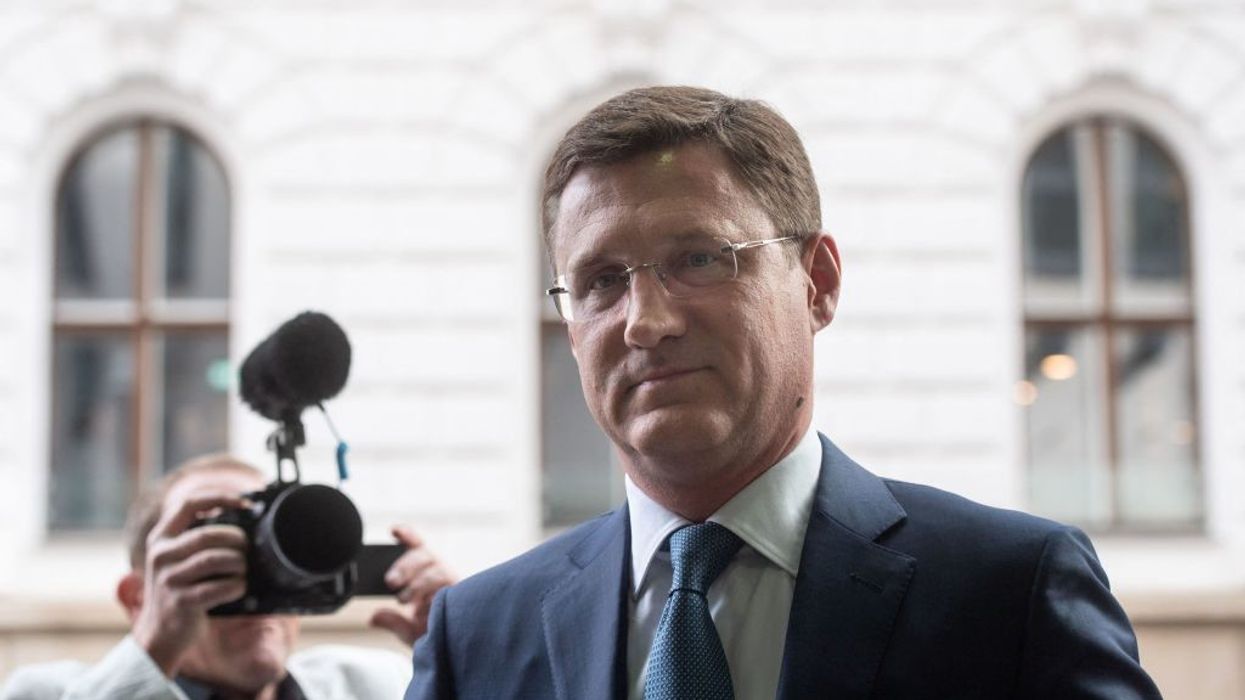

Sales of Russian oil to India increased by more than twenty times last year, Russian deputy prime minister said on Tuesday (28).
This growth in sales occurred because European buyers looked for other markets following the conflict in Ukraine and Russia redirected its oil exports to India and China, Alexander Novak said in comments carried by Russian news agencies.
European Union countries wanted to reduce their dependence on Russian energy supplies after Ukraine war.
In December, the EU imposed a ban on seaborne Russian oil, and a price ceiling was placed on Russian crude oil, as agreed upon by the Group of Seven industrialised powers.
The shift has meant cheaper Russia energy imports for China and India.
"Most of our energy resources were redirected to other markets, to the markets of friendly countries," said Novak.
"If for example we take oil supplies to India, they increased 22 times last year."
Novak, who is in charge of Russia's energy sector, also noted that supplies to China were increasing as a "result of the great work that has been done in the industry."
Russia, a major producer and key ally of the OPEC oil cartel, cut crude production by 500,000 barrels per day this month in response to the Western sanctions.
Novak announced last week that the output reduction, which amounts to five per cent of daily production, would continue through June.
He said the move was part of a response to Western penalties targeting Russia's oil industry that aim to limit Moscow's ability to finance its military.
(AFP)