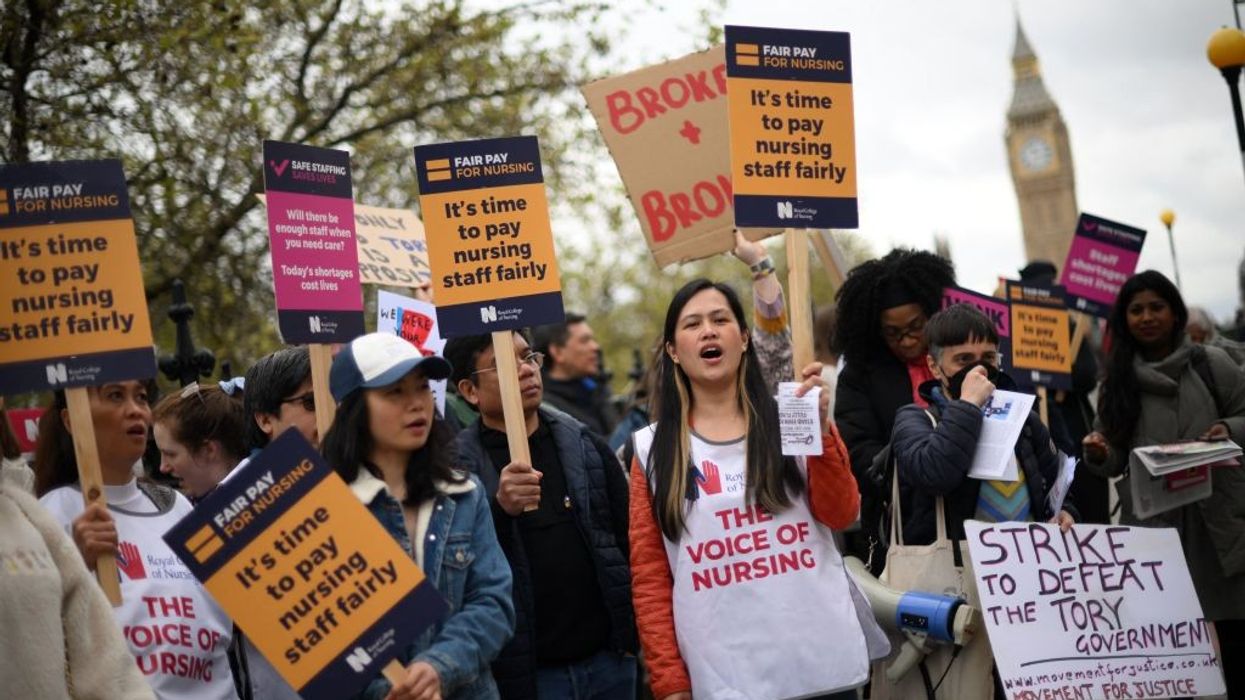
Nurses in England walked out again on Monday (1), with some critical services due to be hit for the first time.
The industrial action is the latest stoppage in an increasingly bitter dispute with the government over pay and conditions.
The 28-hour strike, which started at 8:00 pm on Sunday (30), comes after members of the Royal College of Nursing (RCN) earlier this month voted to reject a five-per cent government pay increase offer.
The walkout is one of many across the private and public sector over the past year as workers have grappled with double-digit inflation.
All hospitals have been guaranteed a minimum level of cover for intensive care and trauma.
But the latest strike is the first time areas such as intensive care, chemotherapy and dialysis have been hit, although some exemptions had been agreed.
In previous walkouts, such services had been completely excluded from strike action.
RCN General Secretary Pat Cullen called on the health secretary Steve Barclay to "come back around the table and put a better offer on the table".
"We need to pay nurses decently and what we need to see now is the NHS standing up and being very clear with the government that they need to address the nursing crisis that they've got right throughout the NHS," she told Sky news.
"And until they do so our nurses unfortunately, will be left with no option but to continue with the action that they are taking," she said.
Unions representing other health care workers including Unison and the GMB have voted in favour of the government's pay offer. Unite and the RCN have voted against.
Barclay described the RCN's decision to go ahead with the walkout as "hugely disappointing" despite "the government's fair and reasonable offer on pay".
Prime minister Rishi Sunak has said big pay hikes are unaffordable and risk fuelling inflation.
Doctors have also staged strike action and are demanding a 35 per cent pay increase.
Their last stoppage earlier this month lasted four days with doctors leaders arguing that pandemic backlogs coupled with staff shortages are massively increasing workloads, endangering patients.
(AFP)
Nurses in England walk out as dispute intensifies
The 28-hour strike, which started on Sunday, comes after members of the Royal College of Nursing (RCN) earlier this month voted to reject a five-per cent government pay increase offer






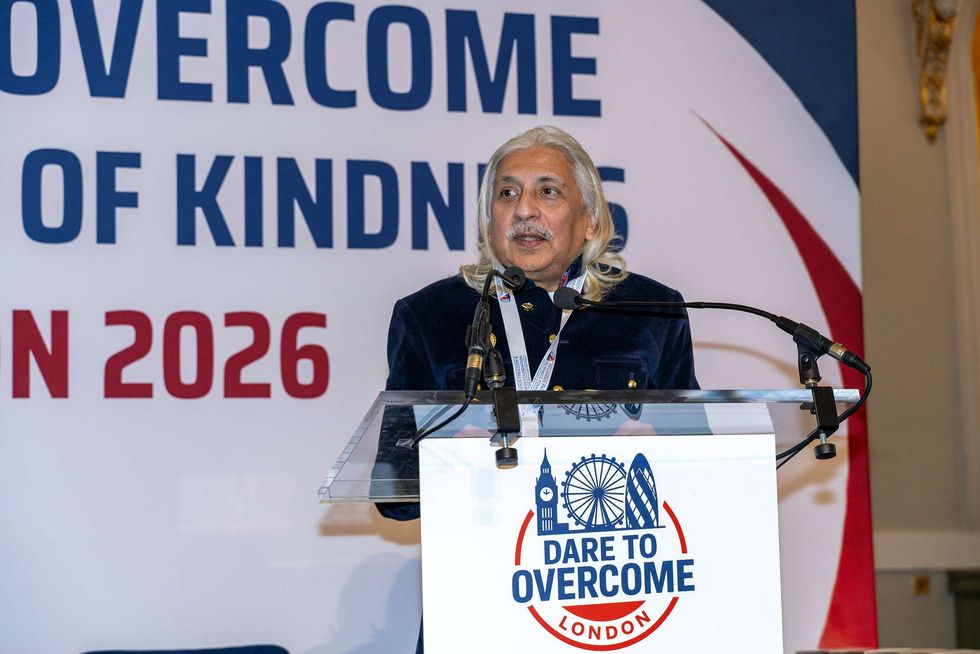 Sanjoy K Roy speaks during the eventEastern Eye
 Dame Susan Langley, Lady Mayor of the City of London, speaks during the eventEastern Eye
 Dame Elizabeth Corley with Shaykh Ibrahim Mogra, Chaplain, Canary Wharf Multifaith ChaplaincyEastern Eye