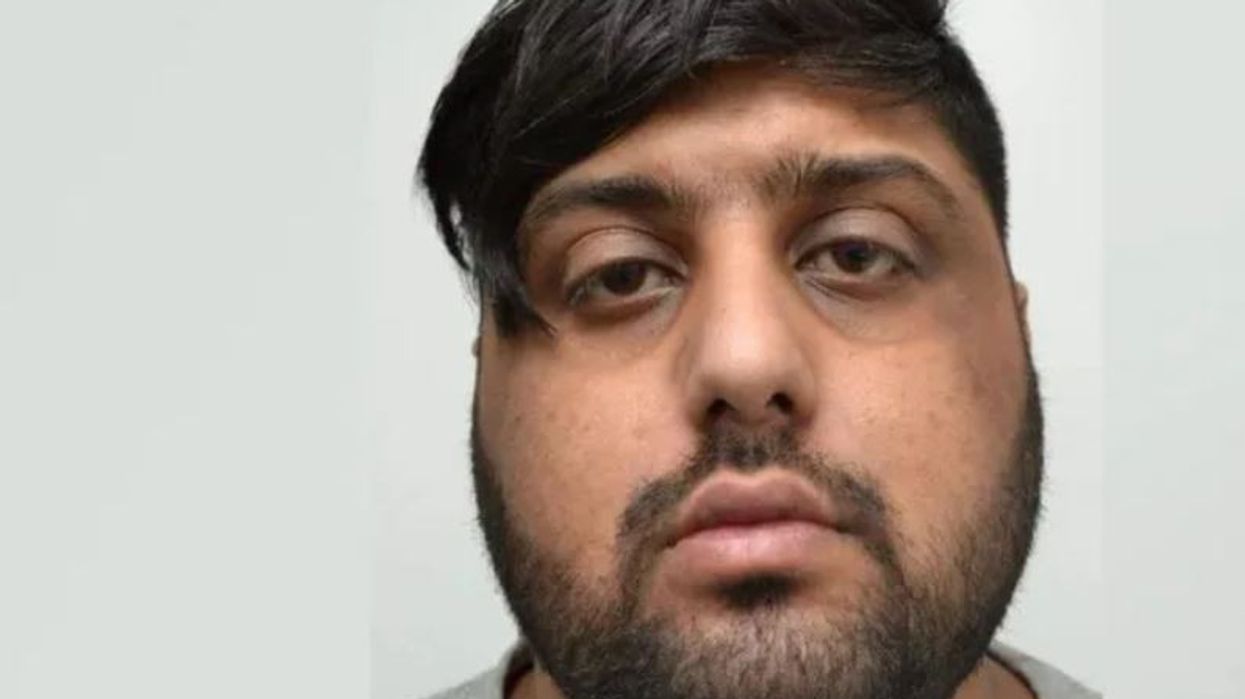

A MAN was convicted on Tuesday (2) of planning an attack on a military base after being arrested with an explosive device in the grounds of a hospital, Britain's Crown Prosecution Service said.
Mohammad Farooq was found guilty of preparing acts of terrorism following a trial at Sheffield Crown Court, in northern England.
The 28-year-old had previously pleaded guilty to possession of an explosive substance with intent to endanger life, possession of an explosive substance in suspicious circumstances, possession of information likely to be useful to a terrorist, and other offences.
Farooq was arrested outside St James's Hospital in Leeds, where he had previously worked as a student nurse, after showing a member of the public a gun and saying he "felt like killing everyone", the CPS said.
Police who attended the scene discovered in Farooq's bag a pressure cooker with wires attached, which bomb disposal experts found to be a viable explosive device.
The CPS said Farooq's electronic devices revealed evidence of his interest in radical Islamist ideology and research into RAF Menwith Hill, a nearby Royal Air Force base in North Yorkshire.
The court heard that Farooq was prevented from executing the attack when a patient, Nathan Newby, intervened, moved him away, and alerted the authorities.
Initially targeting RAF Menwith Hill, a spy base, Farooq turned to the "softer" target of St James's Hospital. He was apprehended outside the hospital with a bomb designed to be highly destructive.
According to prosecutors, Farooq embraced extremist Islamic ideology, seeking martyrdom through a violent terrorist act. He harboured grievances against former colleagues and intended to provoke a lethal police response.
Prosecutor Jonathan Sandiford KC mentioned that Farooq harbored grievances against former colleagues, engaging in a campaign of hostility towards them.
Sandiford noted that "two strokes of luck" played roles in preventing the intended attack. The first was a delayed response to a bomb threat text sent to an off-duty nurse, which hindered the full evacuation Farooq anticipated.
Sandiford explained that after initially leaving, Farooq returned with a new plan to wait in a hospital cafe until a staff shift change, intending to detonate his device.
The court heard that another fortunate circumstance occurred when Newby, smoking outside the hospital, observed Farooq.
He had pleaded not guilty to but was convicted of preparing a terrorist attack at RAF Menwith Hill. He will be sentenced at a later date.
Bethan David, head of the CPS Counter Terrorism Division, said in a statement: "Farooq is an extremely dangerous individual who amassed a significant amount of practical and theoretical information that enabled him to produce a viable explosive device.
"He then took that homemade explosive device to a hospital where he worked with the intention to cause serious harm. Examination of his electronic devices revealed a hatred towards his colleagues at work and those he considered non-believers.
"It is clear from his internet searches that he was also conducting extensive research of RAF Menwith Hill, with a view to launching a potential attack."
(with inputs from Reuters)