
Skip to content
Search

Latest Stories

Submit Guest Post

NHS dismissals near 7,000 as Streeting backs ‘zero tolerance’ on performance

The total marks a rise from about 4,000 dismissals two years earlier. More than half of the cases were linked to capability, which under NHS rules applies when staff are unable to meet the basic requirements of their role.

NHS

Ministers say this is the most reliable measure of performance-related terminations. (Representational image: Getty)

THE NHS recorded close to 7,000 staff dismissals in 2024/25, the highest number since records began in 2011.

The total marks a rise from about 4,000 dismissals two years earlier. More than half of the cases were linked to capability, which under NHS rules applies when staff are unable to meet the basic requirements of their role. Other dismissals were due to misconduct and redundancy, reported GB News.


The increase comes amid a firmer stance on standards across the NHS workforce of about 1.5 million people. Health Secretary Wes Streeting said in November 2024 that there would be a “zero tolerance” approach to poor performance and “no more rewards for failure”. He has also said managers who fail to meet standards in new league tables could be dismissed.

The think tank Policy Exchange's head of health and social care, Gareth Lyon, told GB News: “People who can't or won't do their job should be sacked. The NHS needs to significantly up its game, and that will only happen with a more rigorous approach to performance management including firing people not up to the job.”

Workforce data shows 1.8 per cent of staff leaving the NHS in 2024/25 were dismissed, compared with about 1.2 per cent a decade earlier.

Ministers say this is the most reliable measure of performance-related terminations.

Add EasternEye As Your Trusted Source
preferred source on google news

More For You

Energy Bills

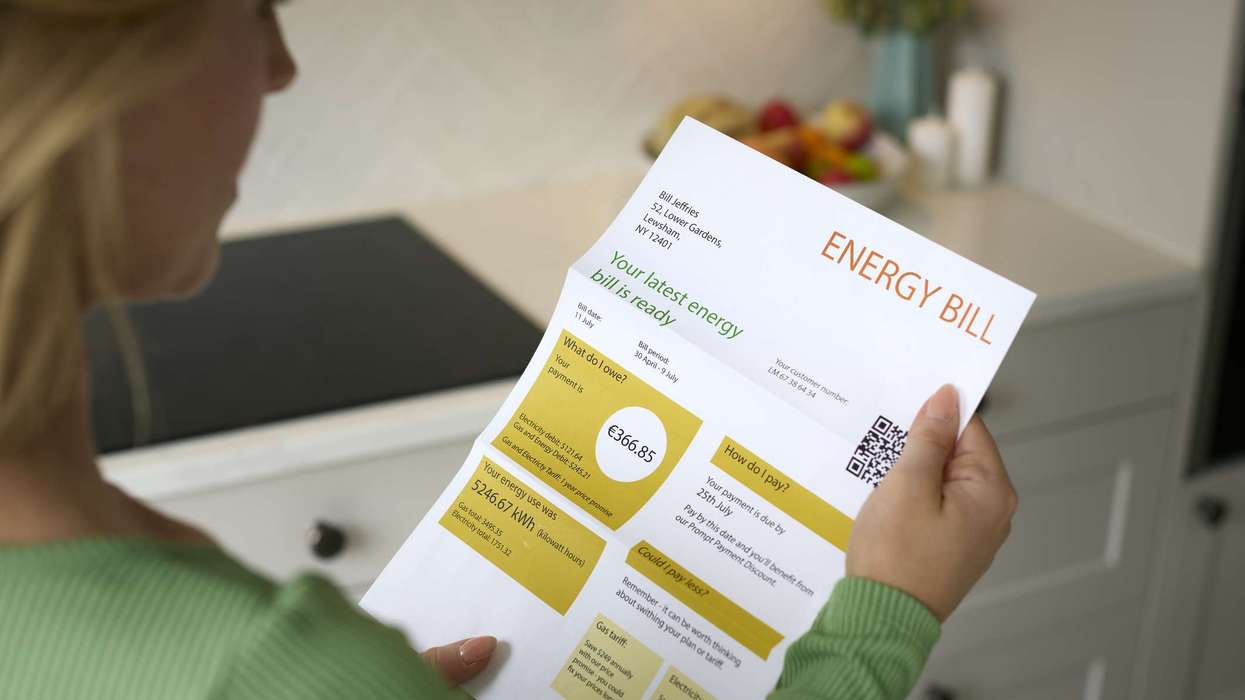
Households across Great Britain face higher energy bills from January despite fresh government support

iStock

UK energy bills are rising by £443, but will the government's £100 payment be enough?

  • Ofgem has confirmed a 26 per cent increase in the energy price cap from January 1, adding £443 to the typical annual household bill.
  • Around 20 million households in England are set to receive a one-off £100 payment, with councils starting payments from January 4.
  • Households outside council tax bands A to D could still receive help through a £100 million discretionary fund.

UK households are facing another increase in energy bills from January, with the latest Ofgem energy price cap rising by 26 per cent to £2,166 a year for a typical household using both gas and electricity. The £443 annual increase comes as the government prepares to distribute a one-off £100 Household Energy Payment to millions of families, raising questions about how much relief the support will actually provide.

The new price cap, which takes effect on January 1 and runs until March 31, will increase the annualised cost of energy from £1,723 to £2,166 for a typical dual-fuel household paying by direct debit. This works out at an additional £36.91 a month if the new rates were maintained throughout a year.

Keep ReadingShow less