
Mike Stredder, director of blood donation at NHS blood and transplant said: “It’s vital that the blood donor community reflects the diversity of the population.
“Patients in the South Asian community would have more chances of getting better matched blood and less chance of developing anti-bodies if there were more donations from South Asian donors.”
As part of its “Missing Type” campaign, which got underway this week (16), the NHS is hoping to ensure blood donation for future generations.
A survey has revealed there is currently a shortfall of South Asian blood donors in England. Last year, there was 14,043 active South Asian blood donors and 889,379 donors in total.
The number of people becoming donors and giving blood for the first time was 1,830,003 in 2005 and 1,324, 980 in 2015 – a drop of 27.6 per cent in 2015 compared to 2005.
Mohammed Beg, 35, from Greenwich, London, donates blood regularly after both his wife and twin babies received lifesaving blood transfusions.
His wife went in to early labour and suffered severe bleeding when their babies were at 27 weeks, before their bone marrow was mature enough to produce enough blood.
“I always look forward to giving blood as I hope I can make a difference in someone’s life, as somebody made a difference to my family and helped them,” said Beg.
Samta Khandhia, 38, from Rayleigh in Essex, had her life saved by 10 units of red blood cells after she lost a lot of blood when giving birth.
“I want to share my story because giving blood does save lives,” said Khandhia, who was a blood donor herself.
People from South Asian communities are more likely to have conditions such as Thalassemia (inherited blood disorder), which also mean they need regular transfusions.
Young South Asian donors are especially needed to ensure blood donations for future generations. But last year only around one in 10 (11 per cent) of blood donors were aged between 17 and 24, while more than half (54 per cent) were aged 45 and over.





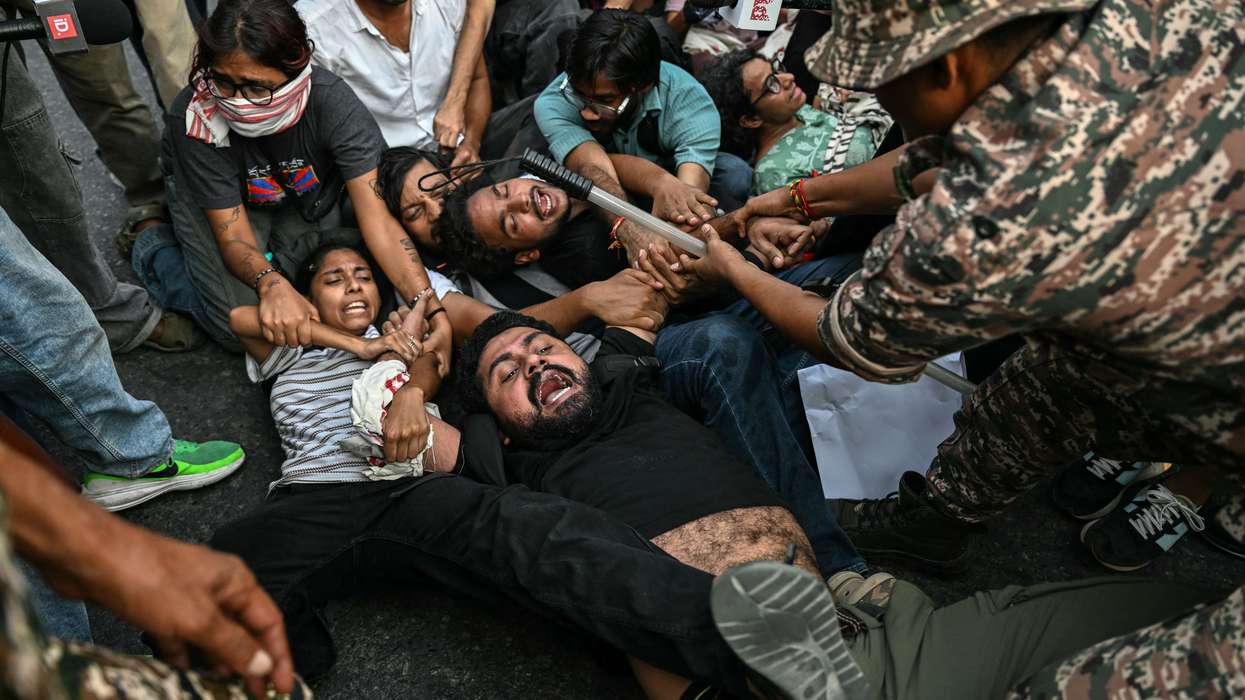
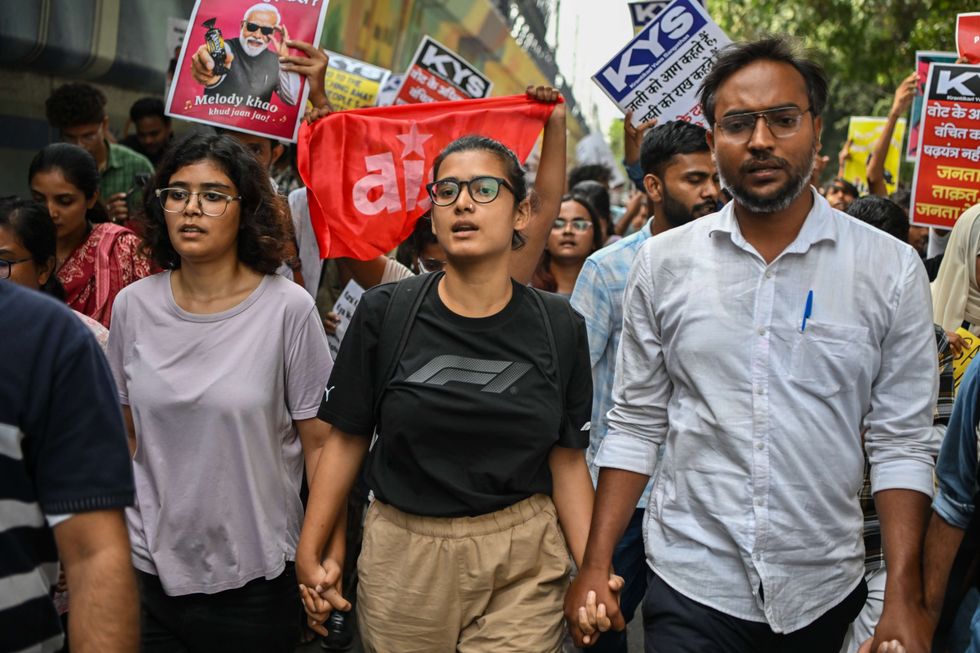 All India Students Association president Neha Bora, wearing a black shirt, takes part in a march during a protest on October 11, 2026 in New Delhi,.Getty
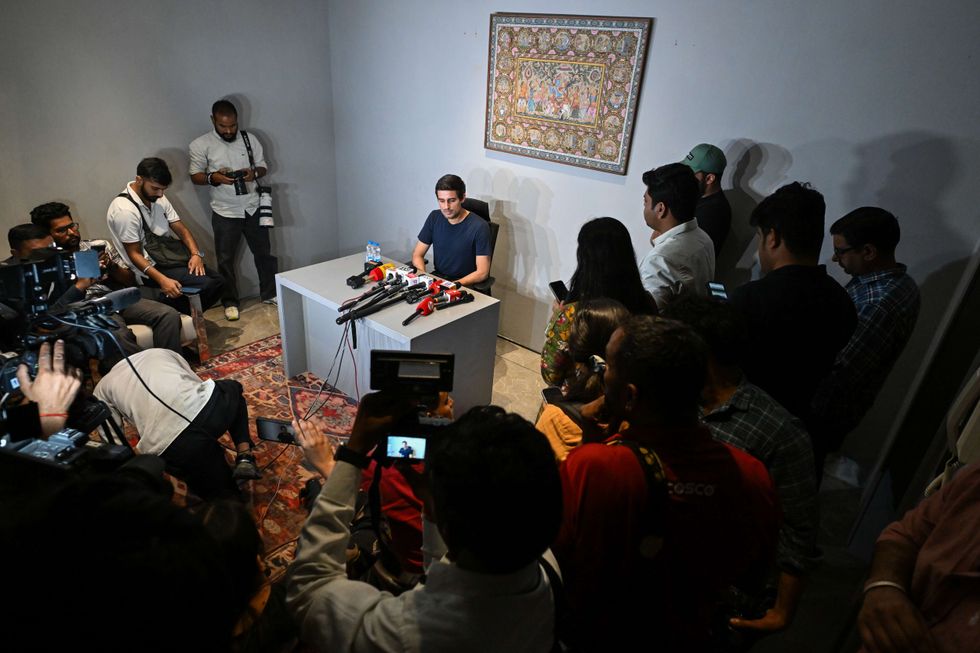 Youtuber Dhruv Rathee speaks during a press conference following his release from police detention on October 11, 2026 in New Delhi.Getty
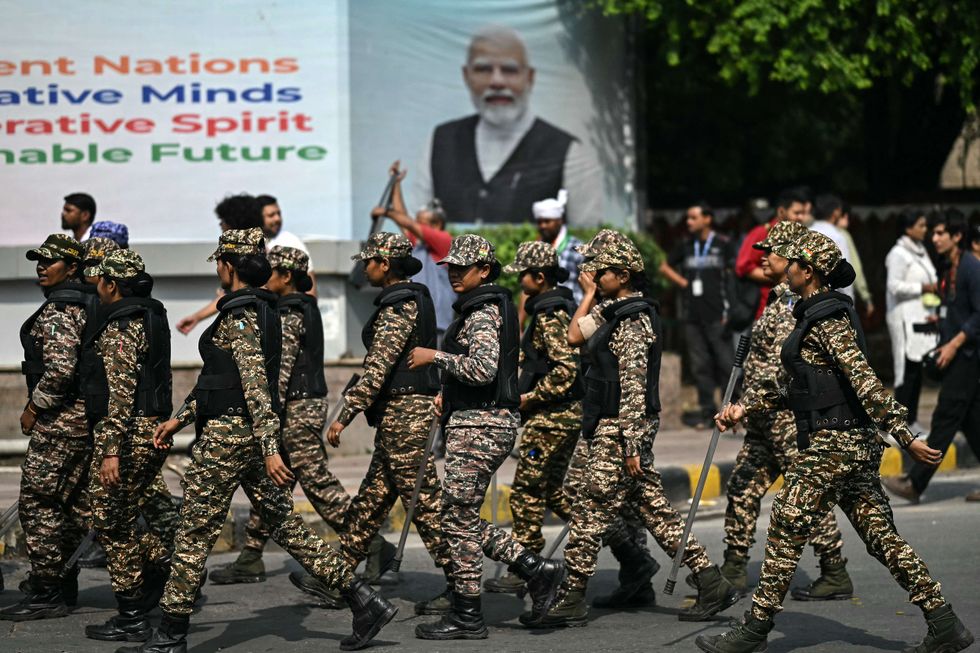 Security personnel walk past a portrait of Narendra Modi during a protest by the Congress party supporters demanding the resignation of India's Chief Election Commissioner Gyanesh Kumar.Getty

