
- Modi calls for greater self-reliance and stronger national capabilities
- PM pitches yoga, healthcare and creative industries as India's soft power
- Five to eight more semiconductor plants expected in coming years
- Government to offer free online coaching and AI training to youth
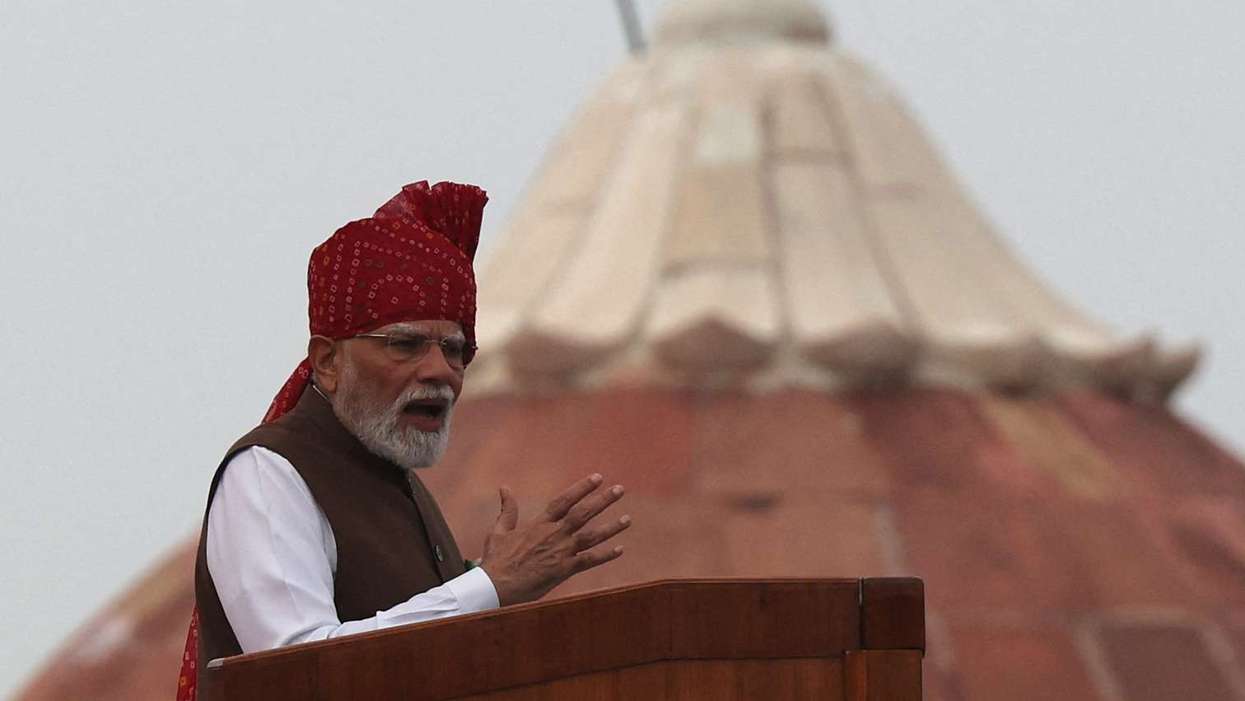
PRIME MINISTER Narendra Modi on Saturday said India must move towards self-reliance and reduce its dependence on other countries, while outlining a seven-point framework for building a developed India.
Addressing the nation from the ramparts of the Red Fort after hoisting the national flag on the 80th Independence Day, Modi said India needed to strengthen its own capabilities and ensure that the responsibility of protecting its national interests rested with the country.
“We have to become self-reliant,” Modi said.
“There are many things in the world; they are cheaper, they are readily available. But that does not build our capabilities, nor does it test our capabilities,” he said.
Modi referred to government initiatives such as Make in India and said the country needed to enhance its capabilities.
He also said India's soft power would be an important part of its efforts to realise the vision of a developed India, placing it as the seventh stream of his “Sapta Dhara” vision.
“India's soft power is a great strength. Today, yoga has connected the entire world with India. Yoga is becoming a source of energy for the world and an important reason for the trust that people place in Bharat,” he said.
Modi highlighted yoga, Ayurveda, India's holistic healthcare traditions and the country's creative industries as elements of its soft power.
He also referred to India's spiritual centres and holistic healthcare and said the country's capabilities in the sector could be taken to the global stage through initiatives such as “Heal in India”.
“The strength of Bharat’s soft power is immense,” he said.
Modi said India could demonstrate its presence in the global creative economy through handicrafts, culture, films, VFX, animation, gaming and digital content.
“We must develop this into a global strength.”
He also referred to the WAVES (World Audio Visual and Entertainment Summit), saying gradually, the world was beginning to look forward to the summit. It would introduce Bharat’s soft power and creative ecosystem to the world, he added.
Modi pointed to the growing global appeal of sports and the “concert economy”, saying India should create the infrastructure needed to host major international sporting events and concerts.
“The concert economy is growing rapidly and has tremendous appeal for the country’s youth. Artistes from across the world want to perform concerts on Indian soil at some point. This is a huge opportunity, and we must create the systems and infrastructure needed to mobilise this opportunity,” he said.
Modi said India would host the Commonwealth Games in 2030 and was a strong contender to host the 2036 Olympics.
To ensure that India had a strong presence at the Olympics, a nationwide talent hunt would be launched to identify prospects in the age group of 5 to 15, he added.
Semiconductor production
Modi said India had already begun production at three semiconductor plants and that five to eight more plants were expected to come up in the coming years.
Addressing the nation from the Red Fort, he said India's semiconductor journey reflected its growing technological self-reliance.
Semiconductor chips are used in electronics, healthcare, transport and modern technology.
In his speech, Modi said India would also have eight more semiconductor chip plants in the coming years and five nuclear reactors which would generate 100 gigawatts of power by 2047.
Last year, the government allowed private firms to build and operate atomic power projects, underlining a push for alternative energy.
Free coaching and AI training
Modi also announced free online coaching for competitive examinations and training in artificial intelligence for young people.
“We have decided to provide free online coaching for various competitive examinations for our youth. We have the digital public infrastructure, and we have highly talented teachers and educators,” he said.
He said the initiative would ease the financial burden on poor and middle-class families whose children prepare for competitive examinations.
“The competition surrounding coaching classes has become a huge burden for middle-class families... (Students) can stay close to their families, receive their care, and avoid placing an additional financial burden on them,” he said.
The announcement came weeks after youth-led protests over a leak of a key medical entrance examination paper and a series of other recruitment scandals.
The protests culminated in the resignation of education minister Dharmendra Pradhan last month and exposed concerns among young Indians over access to jobs and educational opportunities.
The protests also highlighted pressure on students in India, where admission to government-run colleges remains one of the most sought-after pathways to economic security.
The competition has contributed to the growth of a coaching industry in which students spend years preparing for examinations, often at financial cost to their families.
Modi also announced plans to train several million young people in AI tools.
“We have decided in the next one year, one crore (10 million) youth will be given training in AI skills,” he said.
Since the protests, authorities have attempted to address concerns among the country's youth, with parliament increasing penalties for leaking examination papers.
Critics say the protests posed one of the biggest challenges to Modi's government since it came to power in 2014.
Seven-point growth framework
In a speech lasting more than an hour, Modi reiterated his government's goal of helping India become a developed country within the next 20 years.
He announced a seven-point growth and reform framework covering manufacturing, agriculture, technology and defence, as well as India's soft power through yoga, tourism and handicrafts.
India, Asia's third-largest economy, must “establish itself as a trusted global supply chain partner for the world”, Modi said while speaking about manufacturing.
He said young people would gain the most from the country's development.
“The youth have a big role to play in the journey towards a developed India... the greatest beneficiary of a developed India is the youth of the country.”

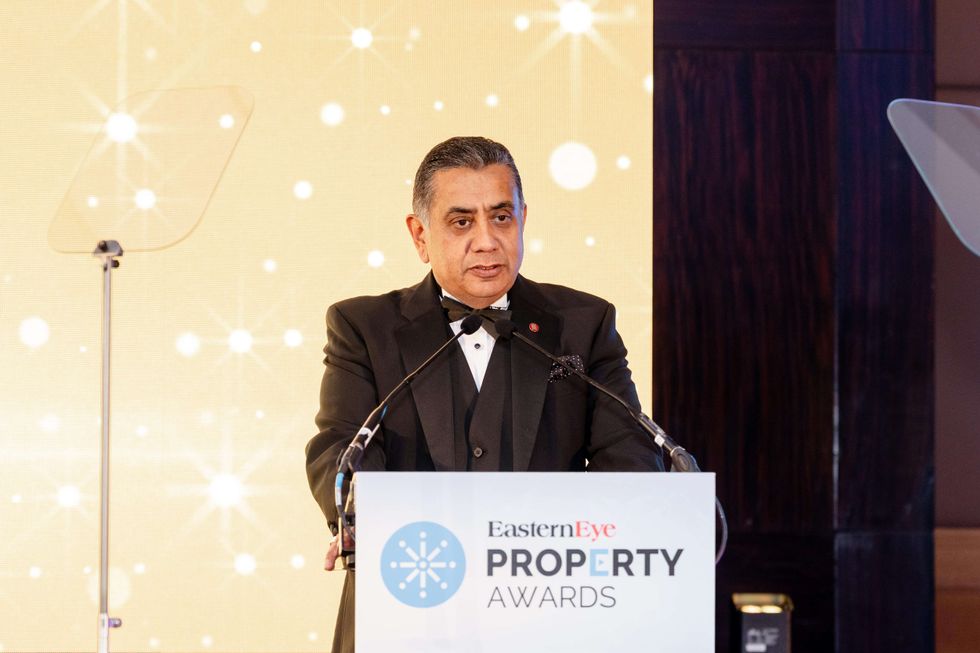 Lord Tariq AhmadEastern Eye
 Lord Krish Raval Lord Krish Raval
  Pavita CooperEastern Eye
 Seema MalhotraUK Parliament
 Herman Narula