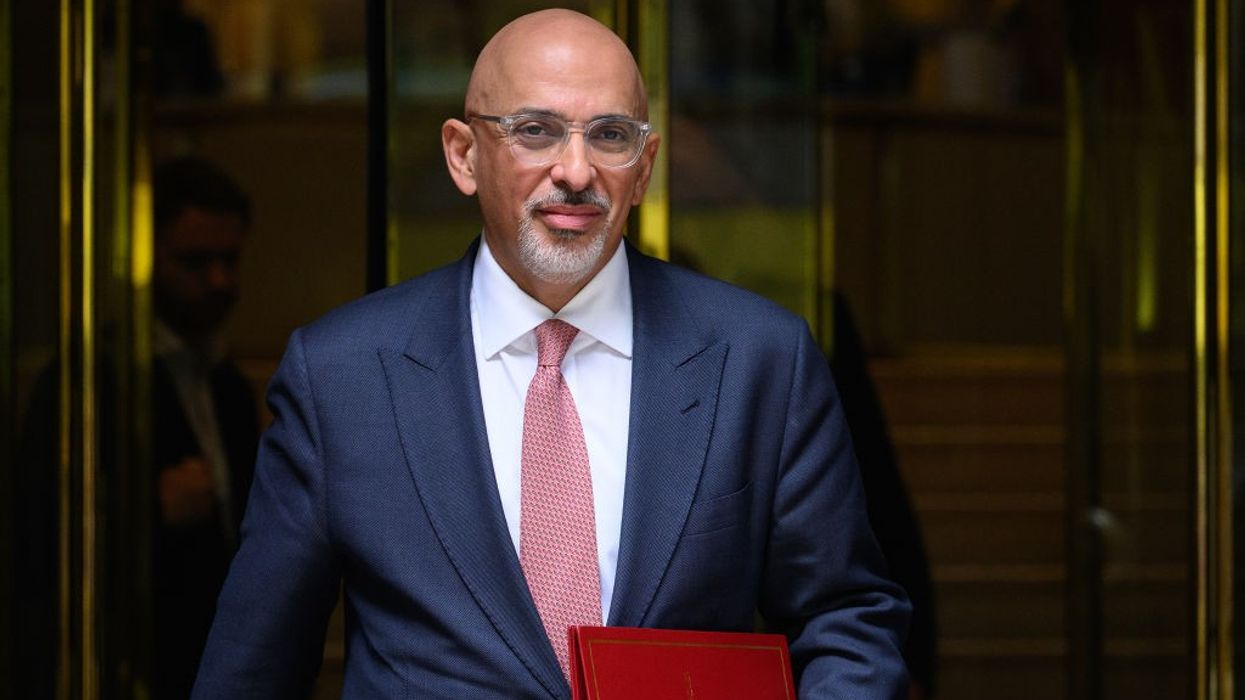

Britain's biggest public-sector pay increases in nearly 20 years will not fuel price pressures, finance minister Nadhim Zahawi said on Tuesday, in a speech where he said fighting inflation was "a moral imperative".
Earlier on Tuesday, Britain's government announced pay rises of about 4% to 5% for more than 2 million public-sector workers - a bigger increase than in recent years, but well below current consumer price inflation of more than 9%.
"We are finding a careful balance, providing the highest uplift in nearly 20 years without making inflationary pressures worse," Zahawi said at the City of London's annual Mansion House dinner, where he spoke alongside Bank of England Governor Andrew Bailey.
Some contenders in the Conservative Party leadership race to succeed Boris Johnson as prime minister have said the BoE has been too slow to fight inflation and should be kept on a tighter leash by the finance ministry, which sets its mandate.
But Zahawi said the BoE was "rightly" independent to set interest rates as it saw fit.
"They have all the tools they need. And I know they have complete determination to do what is required," he said.
"Protecting the country from the causes and consequences of rising inflation isn't just a technocratic exercise. It is a moral imperative," he added.
The government needed to play its part by delivering sound public finances and tackling longer-term bottlenecks in the supply of workers and energy, he said. He also set out plans for post-Brexit changes to financial regulation.
Zahawi became finance minister two weeks ago and acknowledged that his tenure might be "only a few months". Whoever succeeds Johnson in September is likely to appoint new ministers.
(Reuters)





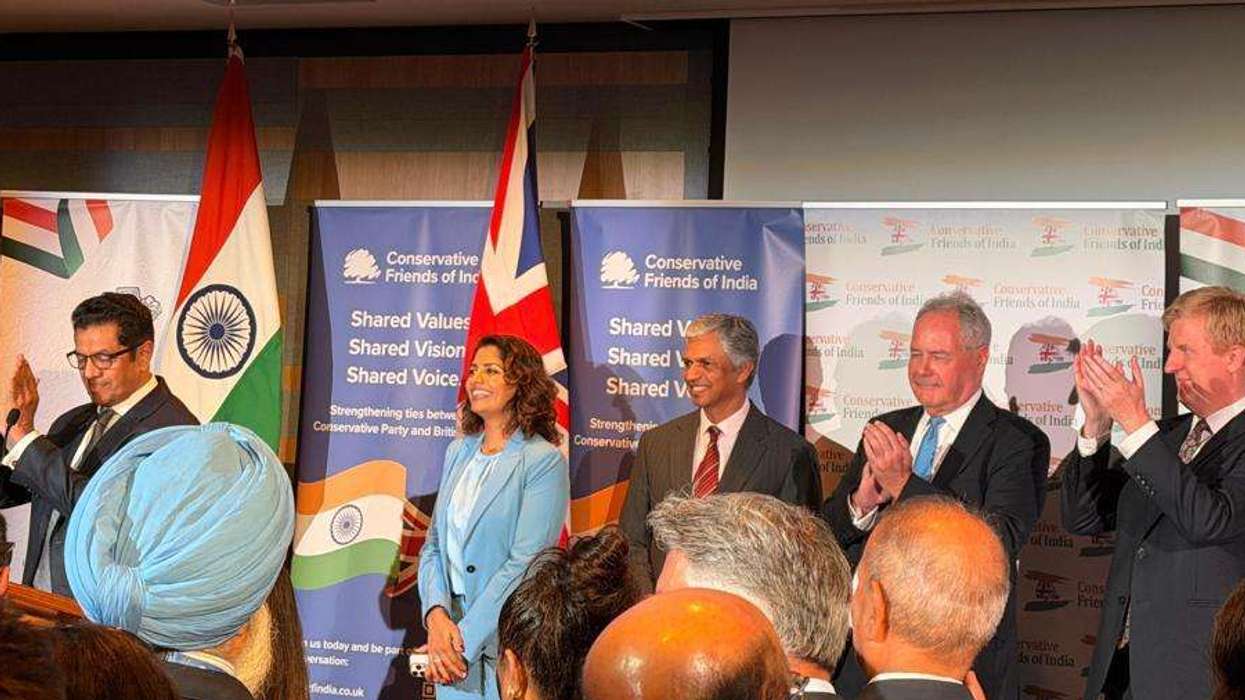
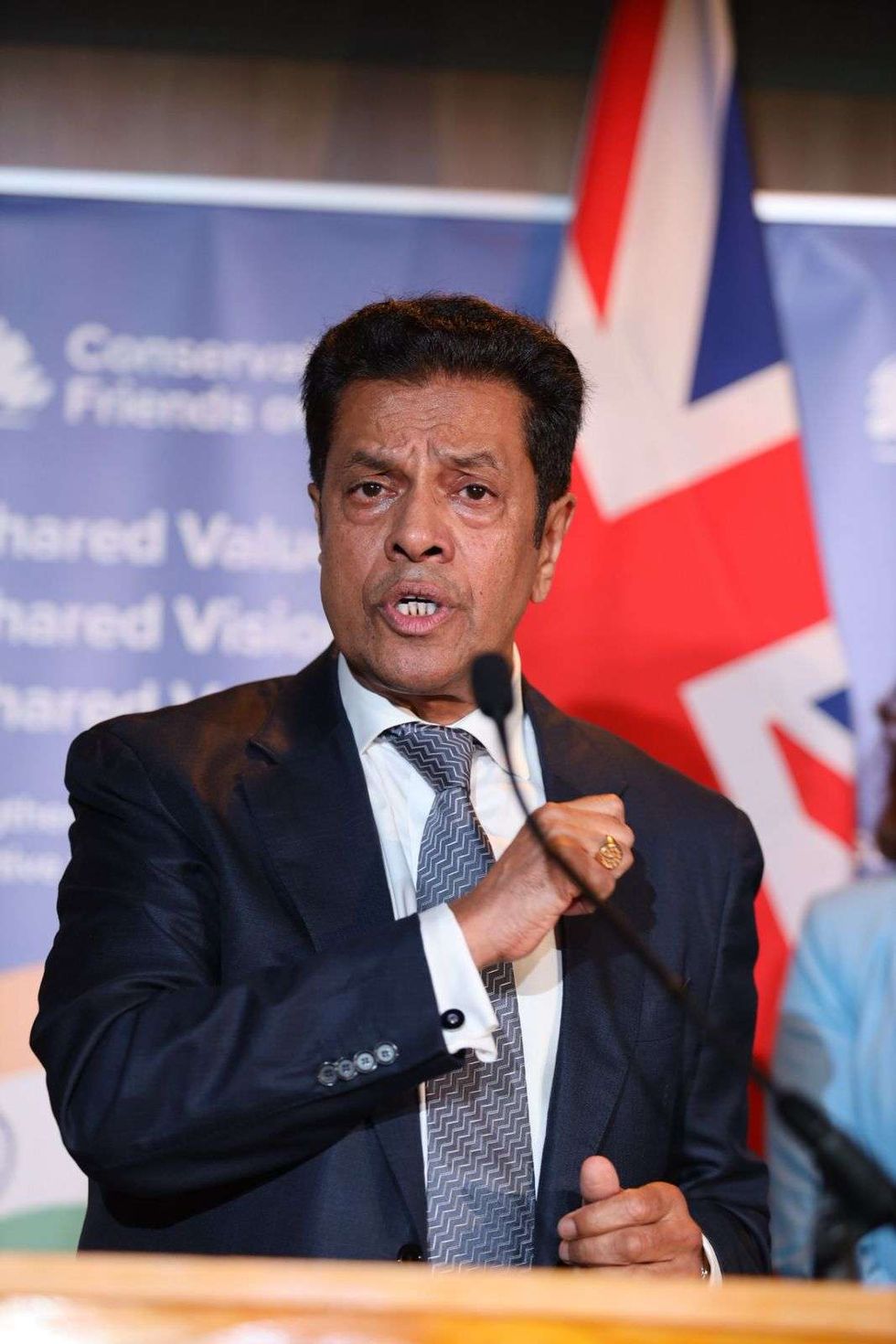 CFIndia co-chair Dr Koolesh Shah CFIndia
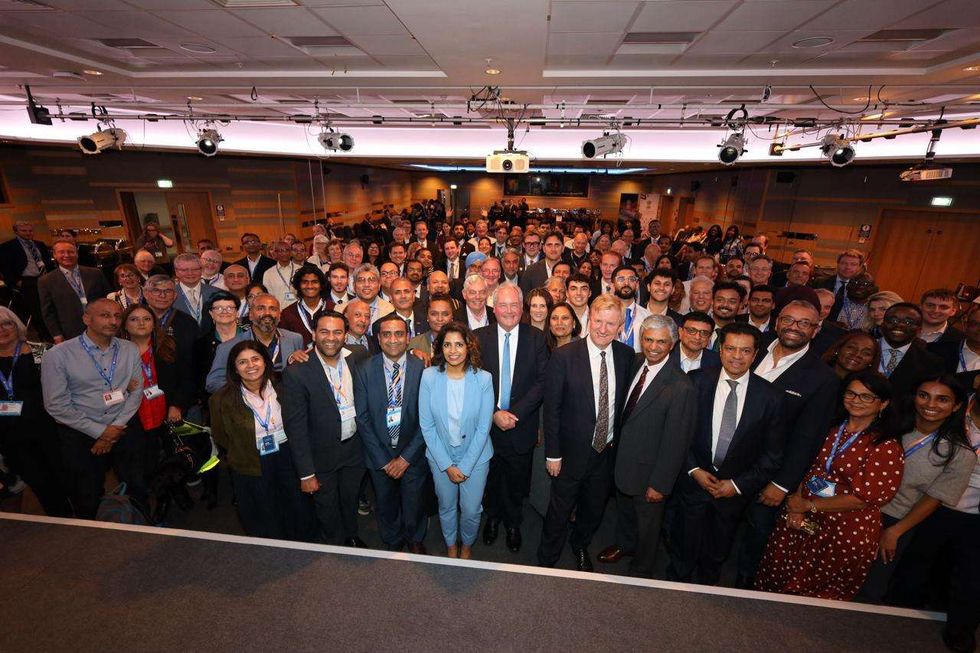 Nearly 500 attended the Conservative Friends of India event.CFIndia
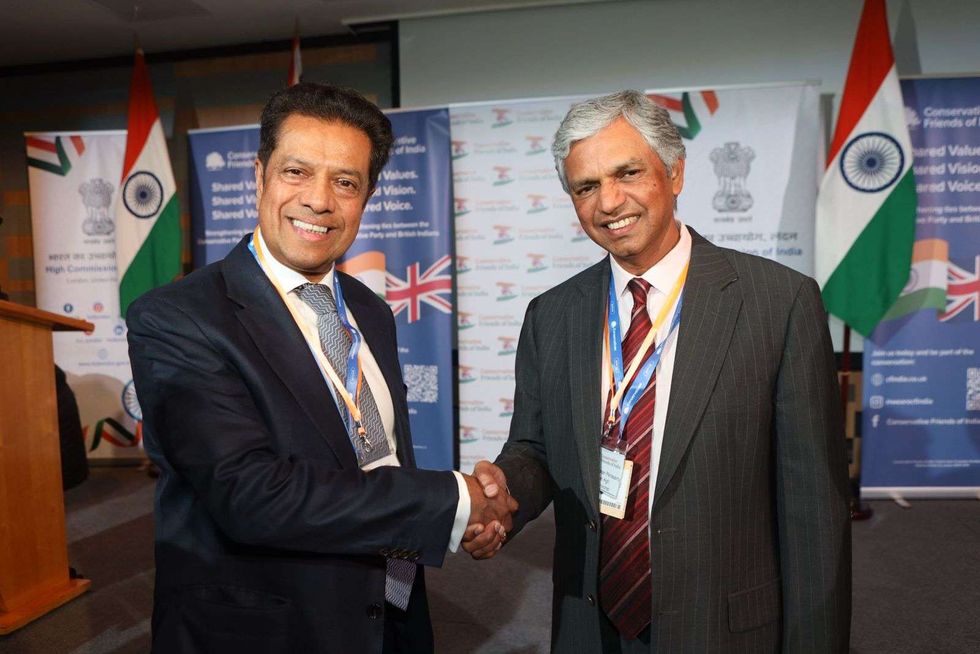 CFIndia co-chair Dr Koolesh Shah with Indian High Commissioner to the UK Kumaran PeriasamyCFIndia