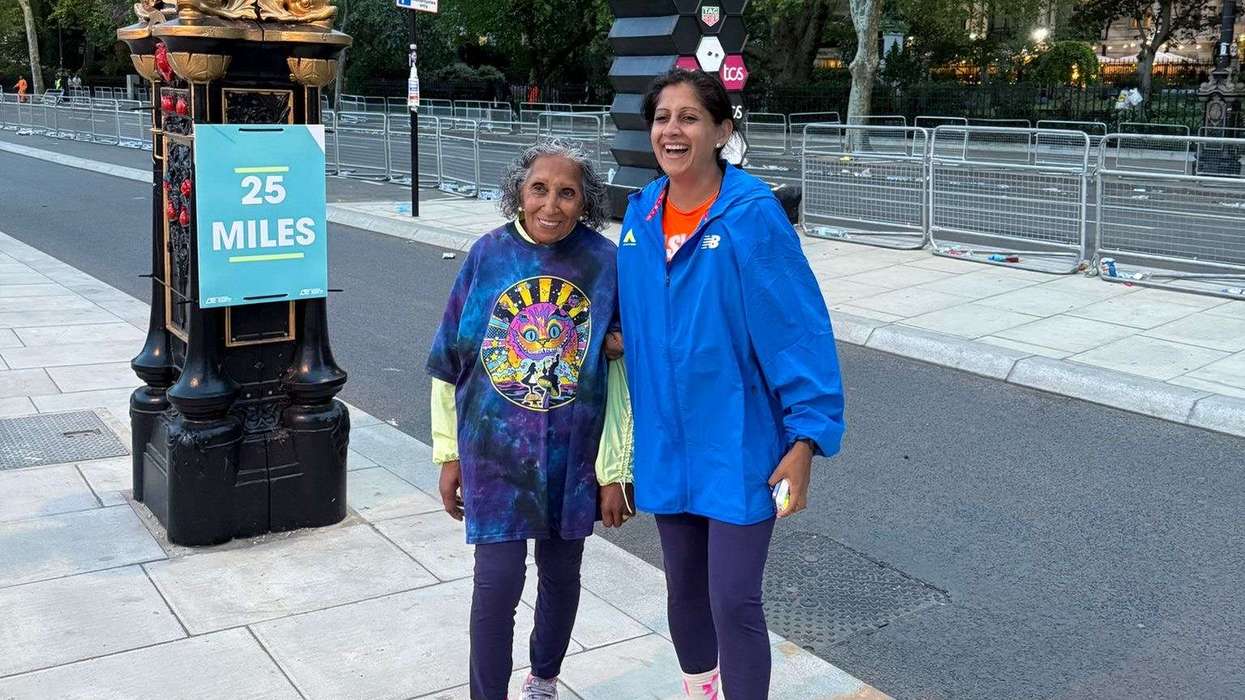

In September 2023, our family’s world changed forever.
After months of being told my mum’s symptoms were likely down to old age, arthritis or even angina, we finally received the devastating diagnosis: multiple myeloma, a rare and incurable blood cancer.
Before my mum became ill, I had never even heard of myeloma. Like many people, I assumed cancer came with obvious warning signs. I had no idea that myeloma is often known as a “silent” cancer, with symptoms that can be vague, overlooked or mistaken for other conditions.
That is exactly what happened to my mum. For months, she suffered with a tight chest, breathlessness, severe back pain, overwhelming fatigue and unexplained bruising on her legs. She began struggling to walk properly, but we thought perhaps it was just part of getting older. Even when the bruising appeared, we thought nothing of it.
She went to the GP several times and had blood tests, but we still had no answers. We were told it could be arthritis. Then old age. After heart investigations, doctors suggested angina and prescribed medication, but instead of helping, it made her feel worse and caused horrible side effects.
For five long months, we went back and forth between appointments while my mum’s health continued to deteriorate.
Deep down, I knew something wasn’t right.
I escalated my concerns and pushed for further investigations, because I couldn’t accept that this was simply ageing. I trusted my instinct and kept fighting for answers and eventually we were told mum had multiple myeloma.
Looking back, it is heart-breaking to think how long she suffered prior to the diagnosis.
Myeloma is a cancer of the plasma cells in the bone marrow and can affect the bones, blood, kidneys and immune system.
Symptoms can easily be mistaken for other illnesses, which is why diagnosis is often delayed.
Dr Sophie Castell, chief executive at blood cancer charity Myeloma UK, said: “Myeloma is often diagnosed late because symptoms are dismissed, or a warning sign is ignored.
“If you or anyone you know has been dealing with fatigue, pain or has had recurring infections, or if something doesn't feel right, please share the Myeloma UK Symptom Translator and get those symptoms checked. Together, we will make the warning signs of myeloma impossible to ignore.”
Her words resonate deeply with me because this was our reality.
I want people to know the symptoms and trust their instincts.
There is another important reason I am speaking out: the silence around cancer in the Asian community.
When my mum was diagnosed, I felt completely alone. No one in our family or friendship circle had spoken about myeloma before, and I didn’t know anyone else living with it.
In desperation, I shared a post online about my mum’s diagnosis and asked for support in an Asian Facebook community group.
I was overwhelmed by the response.
So many people messaged or commented to tell me about loved ones with cancer or myeloma. But what struck me most was how many admitted they had kept it quiet. Some said they had hidden diagnoses, because cancer is still seen as taboo. Others said families stay silent because they fear judgment, shame or people talking.
Many people praised me for speaking openly because they said they had never seen someone in the Asian community talk publicly about myeloma before.
That stayed with me.
No one should have to go through cancer feeling isolated or ashamed.
As I continue accompanying my mum to monthly treatment appointments, I now see more people from our community living with myeloma. Many have told me they ignored symptoms or delayed seeking help.
In many communities, especially among women, symptoms can sometimes be dismissed or explained away, and not everyone has someone to advocate for them. That is why raising awareness is so important.
I never imagined my life would turn upside down so suddenly. Watching someone you love go through cancer changes everything.
But if sharing our story encourages even one person to seek help sooner, ask more questions, trust their instincts or feel less alone, then it will be worth it.
Myeloma awareness week was from June 15-21
Campaign website and symptom translator: myeloma.org.uk/warning