
UK's main minimum wage rate is expected to rise by 4.1 per cent next year to £12.71 an hour to stay aligned with the government's goal of matching two-thirds of median earnings, the Low Pay Commission said on Tuesday.
The minimum wage in Britain has seen sharp increases in recent years. It rose by 6.7 per cent in April to £12.21 an hour. OECD data showed it was the second-highest in Europe in relative terms last year, behind France.
The Bank of England considers rising wage costs across the economy as one of the reasons for the UK's higher inflation compared to other European countries. However, it expects this pressure to ease as the labour market slows.
The government sets the minimum wage each year based on recommendations from the Low Pay Commission, which includes members representing employers, trade unions and academia.
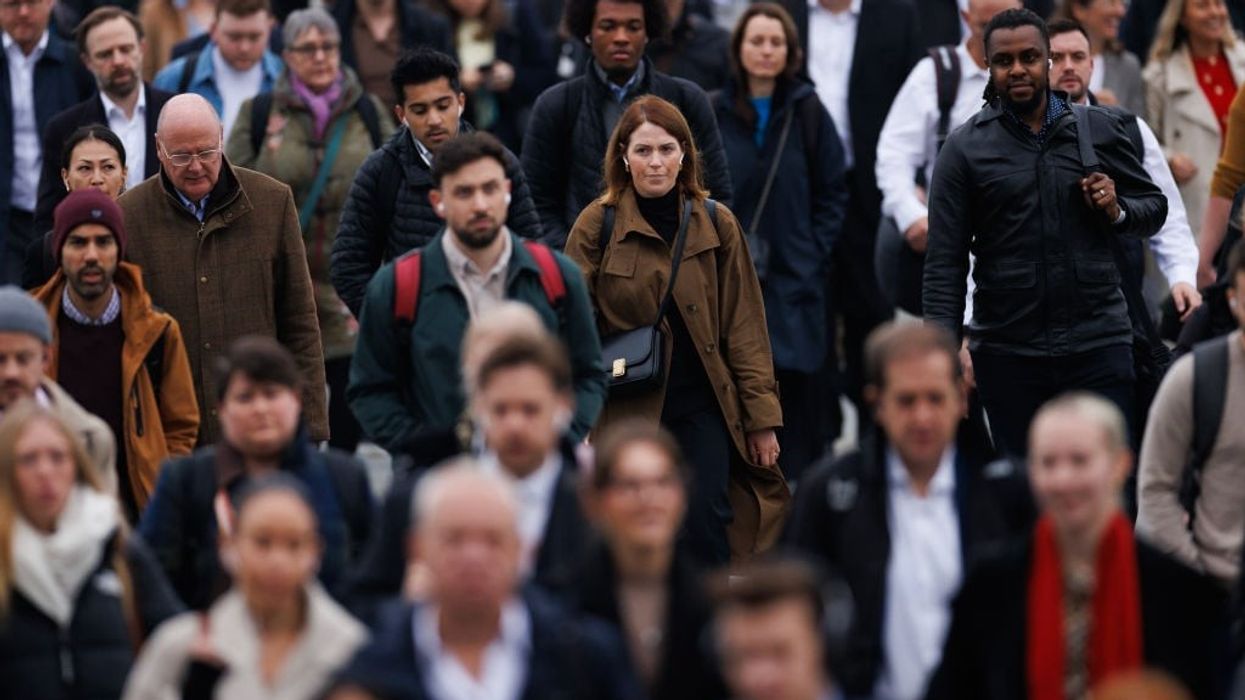
Around 6.5 per cent of UK workers earn the minimum wage, and many others earn slightly more.
A hospitality trade body said increased employment costs had already led to reduced staff hours.
"Any significant wage hike may cost jobs. We urge the Low Pay Commission to recognise these cost pressures and recommend a more gradual and sustainable increase this year," said UKHospitality chair Kate Nicholls.
Earlier on Tuesday, the government issued guidance to the commission outlining the factors it should consider. These remain largely unchanged from 2024 and include keeping the minimum wage at no less than two-thirds of the median while considering employment and economic competitiveness.
In May, the commission had forecast a 3.6 per cent rise in the minimum wage for employees aged 21 and over, which is known as the National Living Wage.
The commission said Tuesday’s higher estimate reflected stronger average wage growth over the past three months and expectations for higher growth in the coming year. The final rate could fall between £12.55 and £12.86 an hour.
"Our recommendations are not purely formulaic and we are required to take economic conditions into account, so these figures should be taken as indicative only," it said.
The estimate is based on a forecast that annual average wage growth will slow from 5.1 per cent in May 2025 to 3.9 per cent by the end of the year, and to 3 per cent by the end of 2026.
The government has also asked the commission to continue working towards removing the lower minimum wage of £10 an hour for 18- to 20-year-olds, without affecting employment in that age group.
(With inputs from agencies)