
Highlights
- Several celebrities opt out amid backlash over Jeff Bezos’s reported sponsorship
- Meryl Streep and Zendaya among notable absentees
- Posters and protests in New York highlight criticism of Amazon
Star absences shift focus from fashion to politics
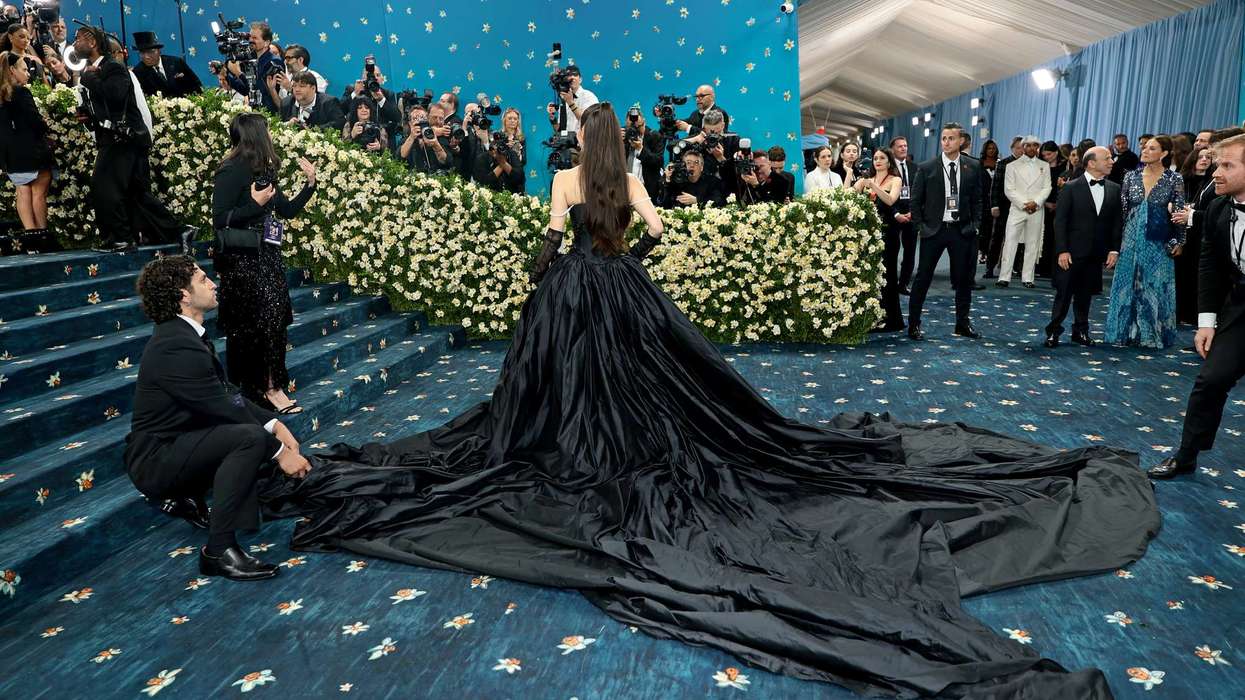
The Met Gala, long considered fashion’s most exclusive night, is facing an unusual spotlight this year as a number of prominent figures choose to skip the event. The backlash follows reports that Jeff Bezos and his wife, Lauren Sanchez Bezos, are sponsoring and co-hosting the evening after contributing a significant sum.
Among the most discussed absences is Meryl Streep, whose decision not to attend has drawn particular attention. The timing is notable, coming just days after the release of The Devil Wears Prada 2, in which she reprises a role inspired by fashion figure Anna Wintour, who has overseen the gala for decades.
Zendaya is also expected to miss the event after attending for seven consecutive years, reportedly stepping back following an intense promotional schedule.
Boycott calls gather pace beyond the red carpet
Calls for a boycott have surfaced across New York, with posters appearing near the Metropolitan Museum urging celebrities to skip the gala. Critics have pointed to Amazon’s labour practices and its perceived political positioning as reasons for protest.
Activist messaging has included slogans targeting Bezos, alongside symbolic acts intended to draw attention to past allegations about working conditions. The controversy has extended beyond Hollywood, with political figures such as Zohran Mamdani also confirming they will not attend.
Glamour continues despite controversy
Despite the backlash, the event is expected to retain its star power. High-profile names including Beyonce, Nicole Kidman and Venus Williams are set to co-chair the evening.
The gala committee also features figures such as Sabrina Carpenter, Doja Cat and Misty Copeland.
While the Met Gala rarely lacks attention, this year’s conversation has shifted. Instead of focusing solely on fashion, it reflects a wider debate about influence, sponsorship and the politics surrounding one of culture’s most visible events.