
MEN with more masculine features are more likely to be unfaithful, and sexual unfaithfulness can be judged from men’s faces but not women’s, a new study has suggested.
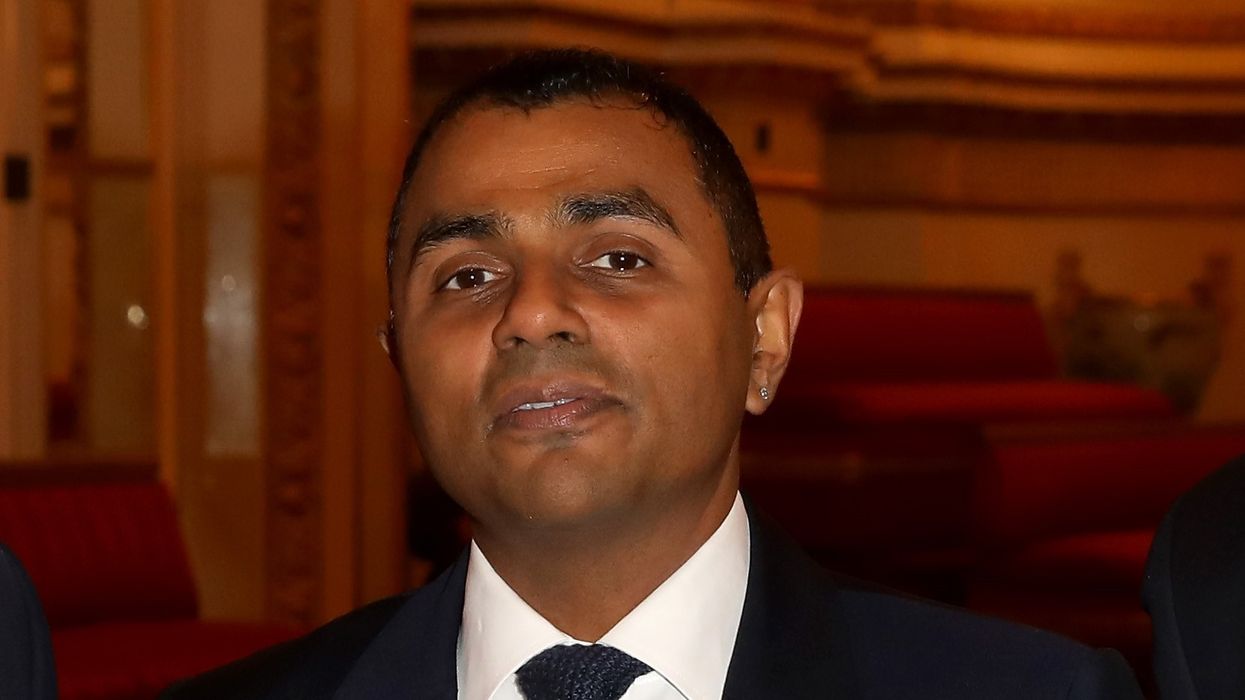
The study, published in the journal Royal Society Open Science, suggested that unfaithful male partners were easy to identify as they tended to have strong masculine features such as squarer chins, more prominent brows and angular jaws.
The researchers, led by Dr Yong Zhi Foo of the University of Western Australia, said the ability to spot philandering men might have offered an evolutionary advantage.
“Given the reproductive costs of being cheated on, evolutionary theories predict that it would be [beneficial] for individuals to evolve strategies to prevent sexual infidelity,” they wrote. “Accuracy in judging sexual unfaithfulness of others might represent one such strategy.
“In this context, judgments of the propensity for sexual unfaithfulness made from the faces of strangers could play an important role in reducing the risk of developing relationships with partners who may prove unfaithful.”
The researchers asked more than 1,500 subjects to look at photographs of nearly 200 men and women who had been questioned about their faithfulness.
Both men and women were able to estimate faithfulness for men with a high level of accuracy.
"We found above-chance accuracy in unfaithfulness judgements of same-sex faces - but only for men rating men's faces and not women rating women's faces. Our results were not as expected," said Foo.









 Heehs describes two principal approaches to biographyAMG