
Highlights
- Autistic Barbie created in collaboration with US charity Autistic Self Advocacy Network, featuring sensory-friendly clothing and accessories.
- More than one child in 100 is believed to be autistic, with girls three times less likely than boys to receive diagnosis.
- Mattel has expanded disability representation since 2019, now offering dolls with Down syndrome, prosthetic limbs, wheelchairs and hearing aids.
Mattel has launched its first autistic Barbie doll, marking another milestone in the toy manufacturer's commitment to representation and inclusion in its iconic product line.
The new doll, unveiled on Monday as part of Barbie's Fashionistas range, was created in collaboration with the US charity Autistic Self Advocacy Network.
It features carefully designed elements that reflect how some autistic children may experience, process and communicate with the world.
Representation and impact
According to the World Health Organisation, more than one child in a hundred is believed to be autistic. Autism is a form of neurodivergence that influences how people experience and interact with society, with characteristics varying according to the individual.
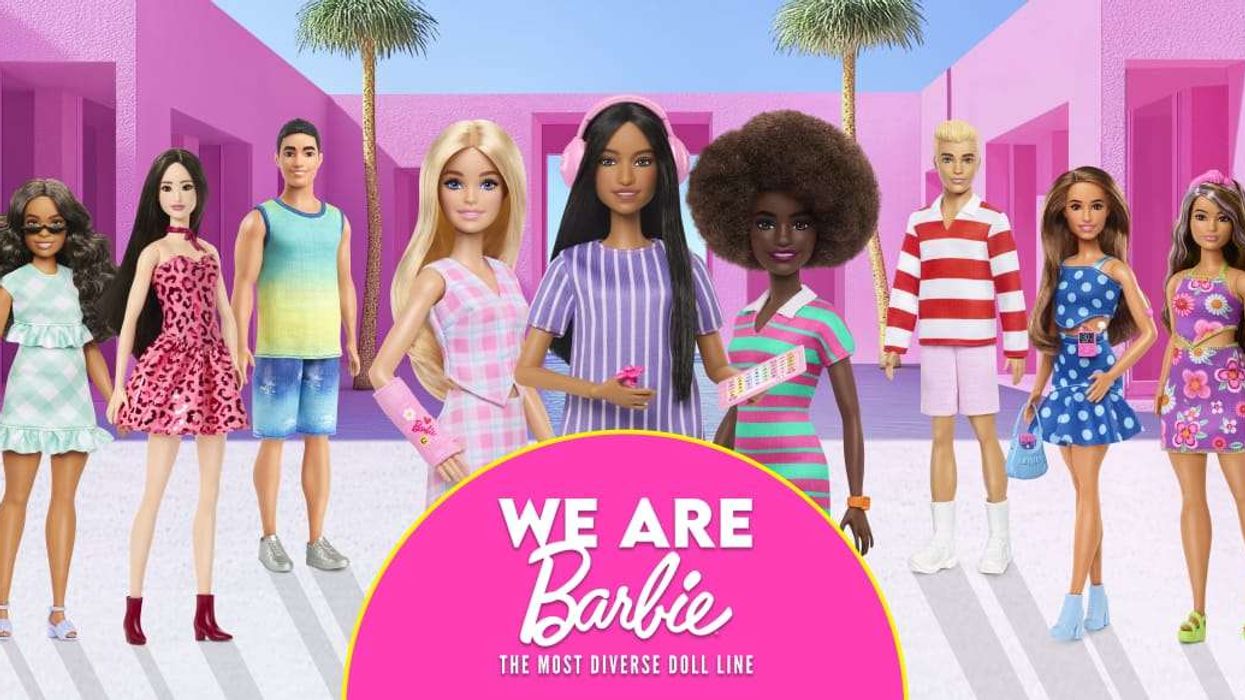
The doll includes several thoughtful design features. Her eyes gaze slightly to one side, reflecting how some autistic people avoid direct eye contact.
She has fully bendable elbows and wrists, enabling repetitive physical movements such as stimming and hand-flapping that help some people with autism process sensory information or express excitement.
Among her accessories, the autistic Barbie carries a pink fidget spinner to help reduce stress, wears pink noise-cancelling headphones to reduce sensory overload, and has a pink tablet featuring symbol-based augmentative and alternative communication buttons on its screen.
The doll wears a loose-fitting, purple pinstripe A-line dress with short sleeves and a flowy skirt to minimise fabric-to-skin contact, paired with flat-soled purple shoes to promote stability and ease of movement.
Jamie Cygielman, global head of dolls at Mattel, said the company engaged with the autistic community throughout the design process.
"Barbie has always strived to reflect the world kids see and the possibilities they imagine, and we're proud to introduce our first autistic Barbie as part of that ongoing work," she said.
Cygielman added that the doll "helps to expand what inclusion looks like in the toy aisle and beyond because every child deserves to see themselves in Barbie."
Jolanta Lasota, chief executive of Ambitious about Autism, welcomed the launch, noting that representation is powerful and Barbie is an iconic toy.
She emphasised that with girls three times less likely than boys to be diagnosed with autism, "this toy also shines a light on the experiences of autistic girls, who often slip under the radar."
Ellie Middleton, an author and founder of an online community for neurodivergent people, said she hoped the Barbie would challenge misconceptions around autism.
"She is showing young girls that it is OK to be autistic, it is OK to be different, and it is OK to wear those differences with pride," she told The Guardian.
While the first Barbies date to 1959, Mattel only introduced dolls with disabilities in 2019. The range now includes blind dolls, as well as Barbies in wheelchairs, with Down syndrome, prosthetic limbs, vitiligo and hearing aids.





 October’s Hunter’s Moon lights up the NYC skyX/@Complex