
Highlights
- Marilyn Monroe would have turned 100 this year.
- More than six decades after her death, she remains one of cinema’s most recognisable figures.
- Her legacy extends beyond glamour, encompassing ambition, vulnerability and a commitment to her craft.
- Films, books and tributes continue to revisit and reinterpret her life.
A century after her birth as Norma Jeane Mortenson, Marilyn Monroe remains one of the most enduring figures in popular culture. While many Hollywood stars fade into history, Monroe continues to inspire fascination, debate and admiration, with her image and story constantly rediscovered by new generations.
Though she died in 1962 at the age of 36, her influence extends far beyond the era that made her famous. From her screen performances to the myths surrounding her personal life, Monroe remains a rare celebrity whose legacy appears only to grow with time.
More than a symbol of glamour
Monroe's public image has often been reduced to that of a blonde bombshell, but her appeal was rooted in something more complex. While she helped redefine screen sensuality during a conservative period in Hollywood, she also brought warmth, humour and emotional depth to her performances.
Her role as Sugar Kane in Some Like It Hot remains one of the clearest examples. The character's innocence and optimism could easily have become caricature, yet Monroe gave her humanity and charm. Similarly, films such as Gentlemen Prefer Blondes and How to Marry a Millionaire showcased her ability to play against the stereotypes attached to her image.
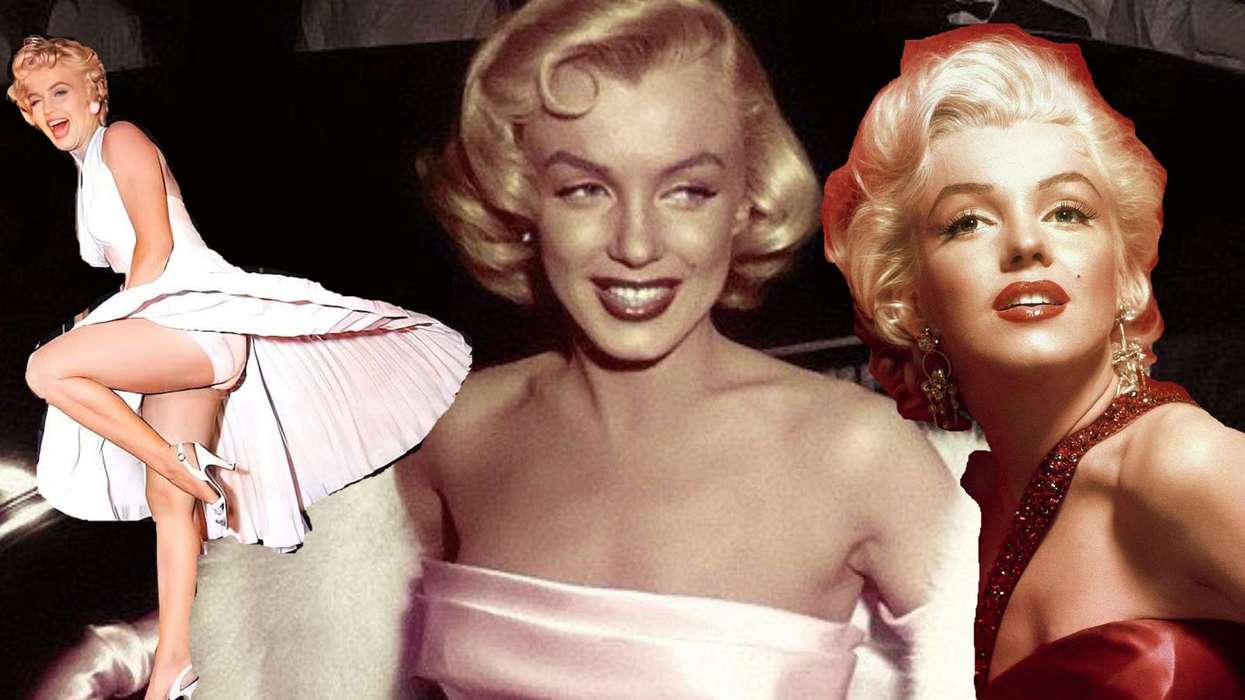
Even her most famous moments, including the wind-blown dress scene from The Seven Year Itch, carried a sense of self-awareness that made her more than simply an object of admiration. Monroe understood the image she projected and often appeared to be in on the joke.
The woman behind the legend
Part of Monroe's lasting fascination lies in the contrast between her public persona and private struggles. Her life has inspired numerous books and screen adaptations seeking to understand the woman behind the fame.
Films such as My Week With Marilyn and Blonde approached her story from different angles. The former portrayed a star nearing a difficult period in her career, while the latter explored her vulnerabilities, frustrations and desire to be recognised for more than her appearance.
Yet Monroe's story is not solely one of tragedy. She actively sought to improve her craft, studying method acting under Lee Strasberg long after she had already become one of Hollywood's biggest stars. Her ambition was also reflected in projects such as The Prince and the Showgirl and The Misfits, the latter written by her then-husband Arthur Miller and becoming her final completed film.
A legacy without a true successor
Many actresses have been compared to Monroe, while others have attempted to recreate aspects of her image. Yet few have matched the unique combination of vulnerability, intelligence, charisma and cultural impact that defined her career.
Her influence can still be seen across fashion, music, film and celebrity culture. Andy Warhol's famous portraits transformed her into a pop-art icon, while Elton John's 1973 song Candle in the Wind immortalised her as a symbol of beauty, fame and loss.
More than six decades after her death, Monroe remains instantly recognisable even to people who have never seen one of her films. That enduring connection may explain why she continues to occupy a singular place in Hollywood history.
As Monroe's centenary is marked around the world, it is clear that her legacy rests on more than tragedy or glamour. She remains a performer whose talent, determination and screen presence helped shape modern celebrity culture, and whose influence continues to resonate 100 years after her birth.