
Highlights:
- Mamdani says he would urge King Charles to return the Koh-i-Noor diamond
- The diamond remains one of the most disputed artefacts linked to British colonial rule
- India has repeatedly demanded the return of the gem since independence
- Reform UK’s Zia Yusuf said the diamond “is where it will stay”
NEW YORK city mayor Zohran Mamdani on Wednesday (29) said he would encourage King Charles to return the Koh-i-Noor diamond, which was taken from the Indian subcontinent in the 1800s, as the monarch continued his US visit.
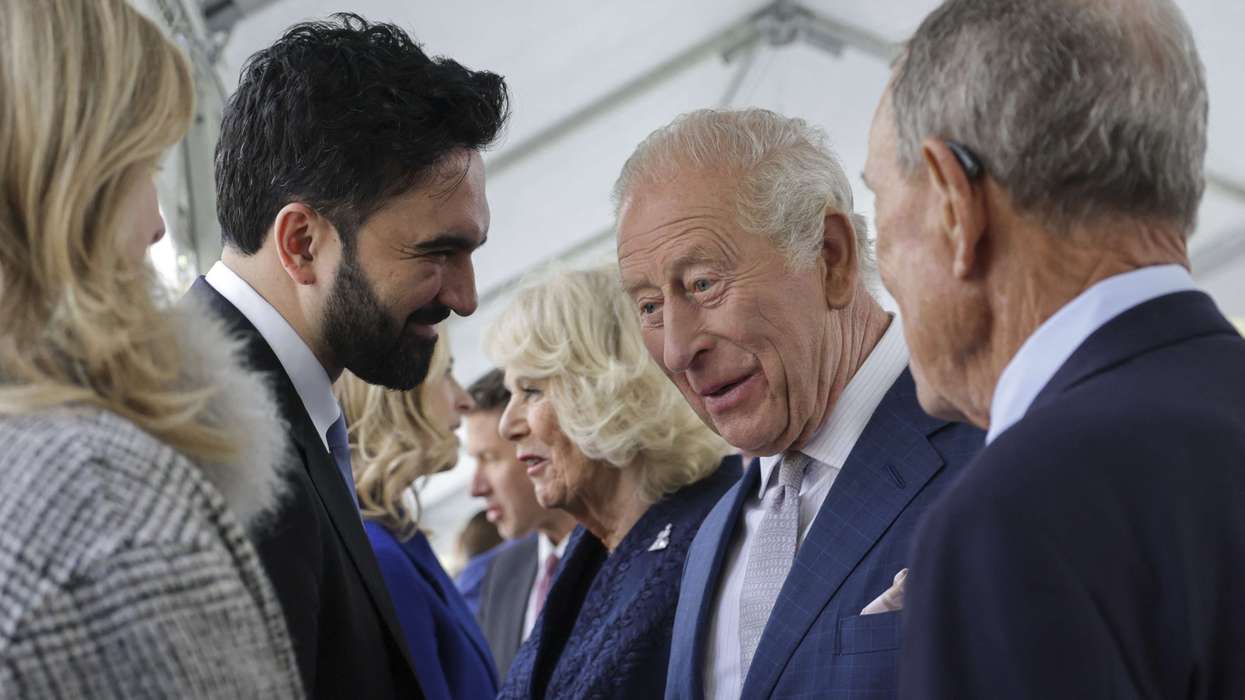
Speaking before greeting the King and Queen Camilla at a 9/11 memorial event, Mamdani was asked what he would discuss if given the opportunity.
"If I was to speak to the King, separately from that, I would probably encourage him to return the Koh-i-Noor diamond," he said, adding that his focus at the event would be on those killed in the attacks.
Later in the day, the King briefly spoke with Mamdani after they shook hands. It remains unclear whether the issue was raised during that conversation. Buckingham Palace declined to comment, while Mamdani’s office did not respond to requests for confirmation.
The King attended the memorial marking the September 11, 2001 attacks, laying a floral tribute at the site where the World Trade Center towers once stood.
The Koh-i-Noor diamond is part of the British crown jewels and is kept in the Tower of London. The stone, described as weighing around 105 to 106 carats, is set in the crown of Queen Elizabeth the Queen Mother.
The diamond’s ownership has long been disputed. It passed through Mughal emperors, Iranian rulers, Afghan leaders and Sikh maharajas before being transferred to Queen Victoria in the mid-19th century after the annexation of Punjab by the East India Company.
India has repeatedly sought the return of the diamond, describing it as a "valued piece of art with strong roots in our nation's history". British possession of the diamond is seen by many in India as linked to colonial rule.
India gained independence from British rule in 1947, and the period of colonisation remains a sensitive issue.
The history of the diamond includes both recorded accounts and disputed claims, with Afghanistan, Iran and Pakistan also laying claim to it.
Reacting to Mamdani’s remarks, Reform UK politician Zia Yusuf criticised the statement.
"This beautiful diamond is currently on display in the Tower of London," Yusuf said in a post on X. "That is where it will stay."
(With inputs from agencies)