By Amit Roy
THIS might sound like an odd thing to say, but it is probably in the interests of the UK’s Bangladeshi community that Shamima Begum not be let back into Britain.
She has an absentee father who lives with a second wife in Bangladesh, but Shamima inflicted pain and suffering on her mother and sister in London when she went off with two of her school friends to join IS (Daesh) in Syria in 2015.
If keeping her out would discourage other Bangladeshi girls in future from following her example, that would probably be a good thing from the point of view of the Bangladeshi community in the UK.
Shamima, who is 21 now, lost all three of the children she had with a Dutch terrorist, Yago Riedijk, to whom she was given in “marriage” when she was still a child. On compassionate grounds alone, I felt perhaps the Home Office should err on the side of mercy.
Whether she is allowed back will depend on the Supreme Court, which is hearing a challenge from the Home Office to a ruling by the appeal court that she should be readmitted. She was stripped of her British nationality when Sajid Javid was the home secretary.
Commenting on her case, a Tory MP from the Shires told LBC last week that she could go to Bangladesh because she has Bangladeshi nationality. He is wrong. She doesn’t. In fact, she has never set foot in Bangladesh.
She may be eligible for Bangladeshi nationality through her father, but that country has made it clear it doesn’t want Shamima and may hang her if she enters the country – but the fact is that she only has – or rather had – British nationality.

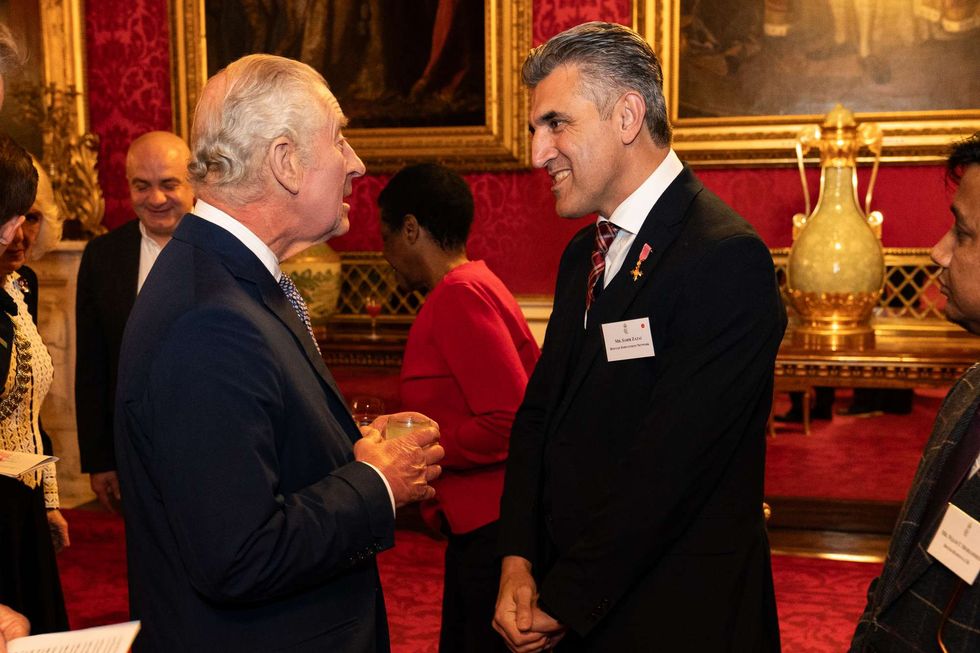 Sabir Zazai (right) speaks with King Charles III during a reception at Buckingham Palace to recognise the UK's contribution to humanitarian efforts across the world and to mark 60 years of the Disasters Emergency Committee on November 8, 2023 in London, England.Getty Images