THE UK government has launched payment scheme for low-paid workers who need to go into quarantine in Covid-19 hotspots.
The trial begins in Blackburn with Darwen, Pendle and Oldham regions of northern England, which have a high incidence of the deadly virus.
Eligible individuals will receive £130 during the 10-day isolation period. Members of their household and close contacts, who have to self-isolate for 14 days, will be entitled to a payment of £182.
“This new payment scheme will help people on low incomes and who are unable to work from home to continue playing their part in the national fight against this virus,” Health Secretary Matt Hancock said on Wednesday (26).
“The British public have already sacrificed a great deal to help slow the spread of the virus. Self-isolating if you have tested positive for Covid-19, or have come into contact with someone who has, remains vital to keeping on top of local outbreaks.”
The health department said the payments will be provided within 48 hours of the eligible individual providing the necessary evidence. Individuals will be asked to provide a notification from the NHS Test and Trace and a bank statement.
The scheme, which could be extended to other areas with high infection rates if the trial proves successful, was designed to support people who are unable to work from home while self-isolating, either after testing positive or after being identified by Test and Trace as living in the same household as – or coming into contact with – someone who has tested positive.
It will be available to people currently on social benefits, receiving either Universal Credit or Working Tax Credit from the government. Local authorities are expected to put in place checks to prevent fraud and ensure compliance through welfare check-ins, phone calls and employment checks.
However, some local authorities have expressed their concern at the amount of income support not being enough for workers already struggling in the aftermath of months of coronavirus lockdown, only now being gradually eased.
"I am pleased they have at last acknowledged this issue but am sorry to say this move goes nowhere near far enough," said Greater Manchester Mayor Andy Burnham.
He said that it would not provide the support many workers in Greater Manchester needed to cooperate with NHS Test and Trace and called for the government to enable people "to self-isolate on full pay".





 Taylor Swift opted for a strapless Dior gownGetty Images
 Naomi Ackie stood out in a custom aubergine Balenciaga gown Getty Images
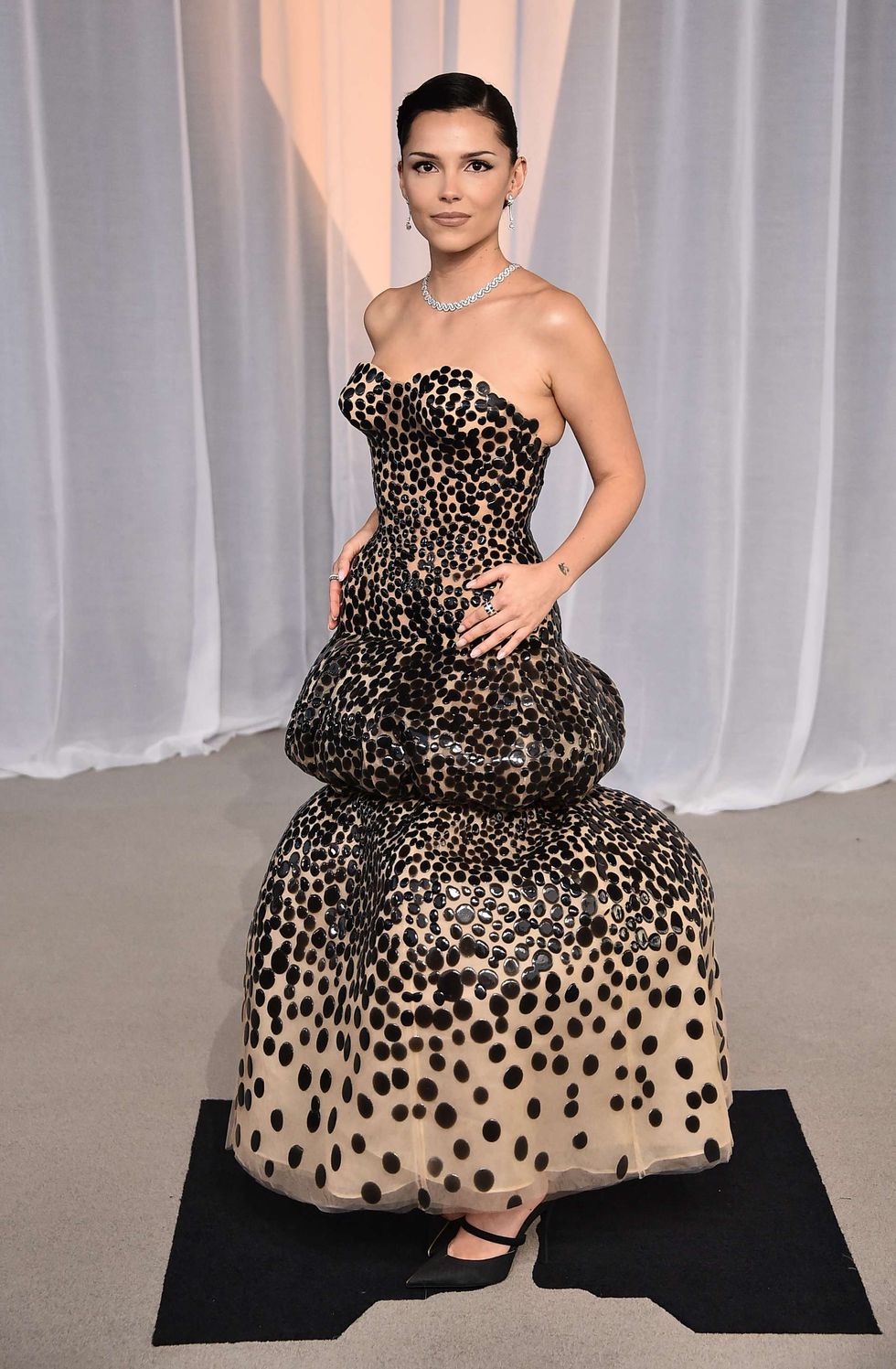 Inde NavarretteGetty Images
 Sabrina CarpenterGetty Images
 Cailee SpaenyGetty Images
 Colman DomingoGetty Images
 Gemma Chan took a more understated approach in a pink silk gabardine dress by PradaGetty Images
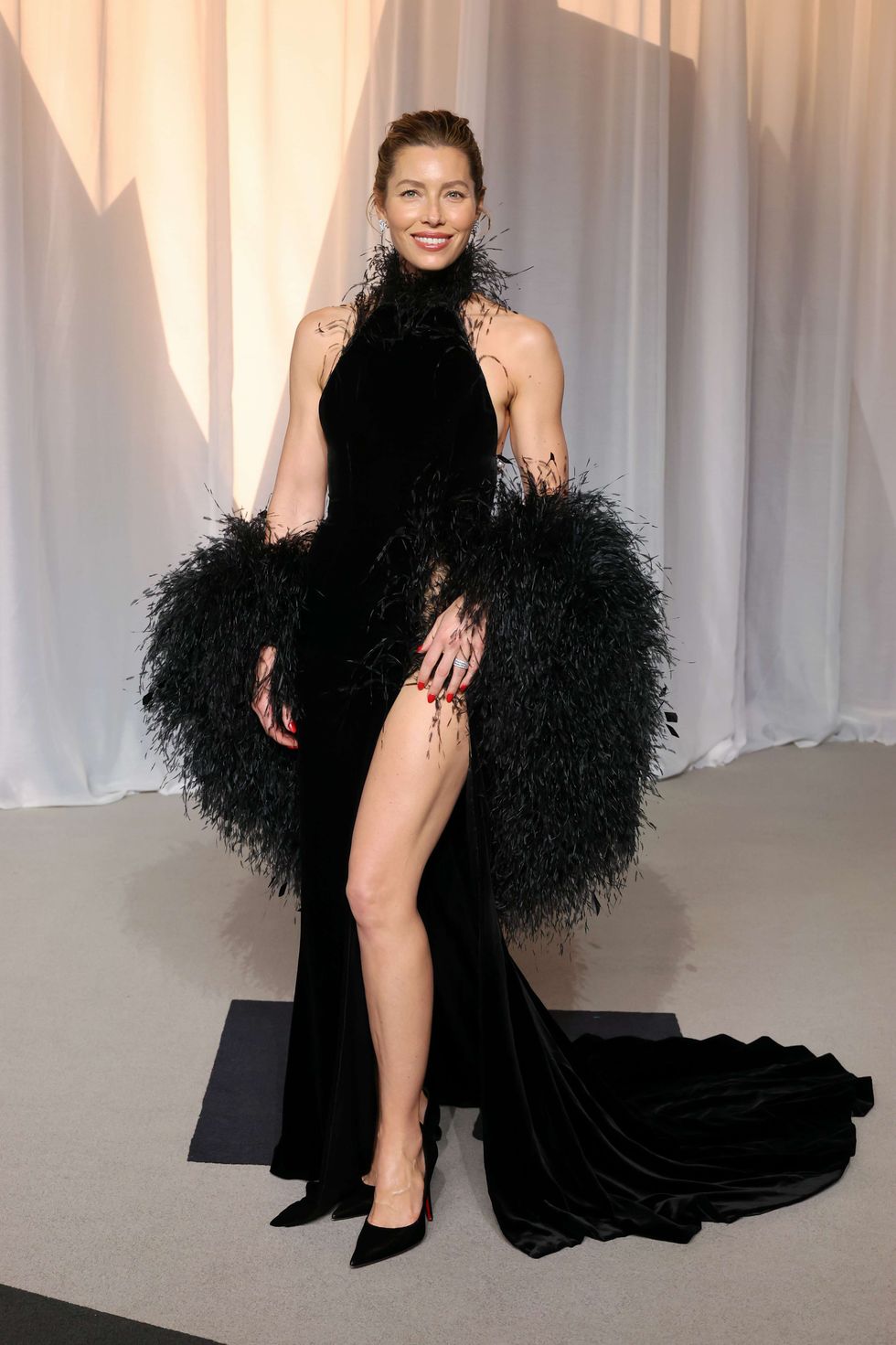 Jessica BielGetty Images
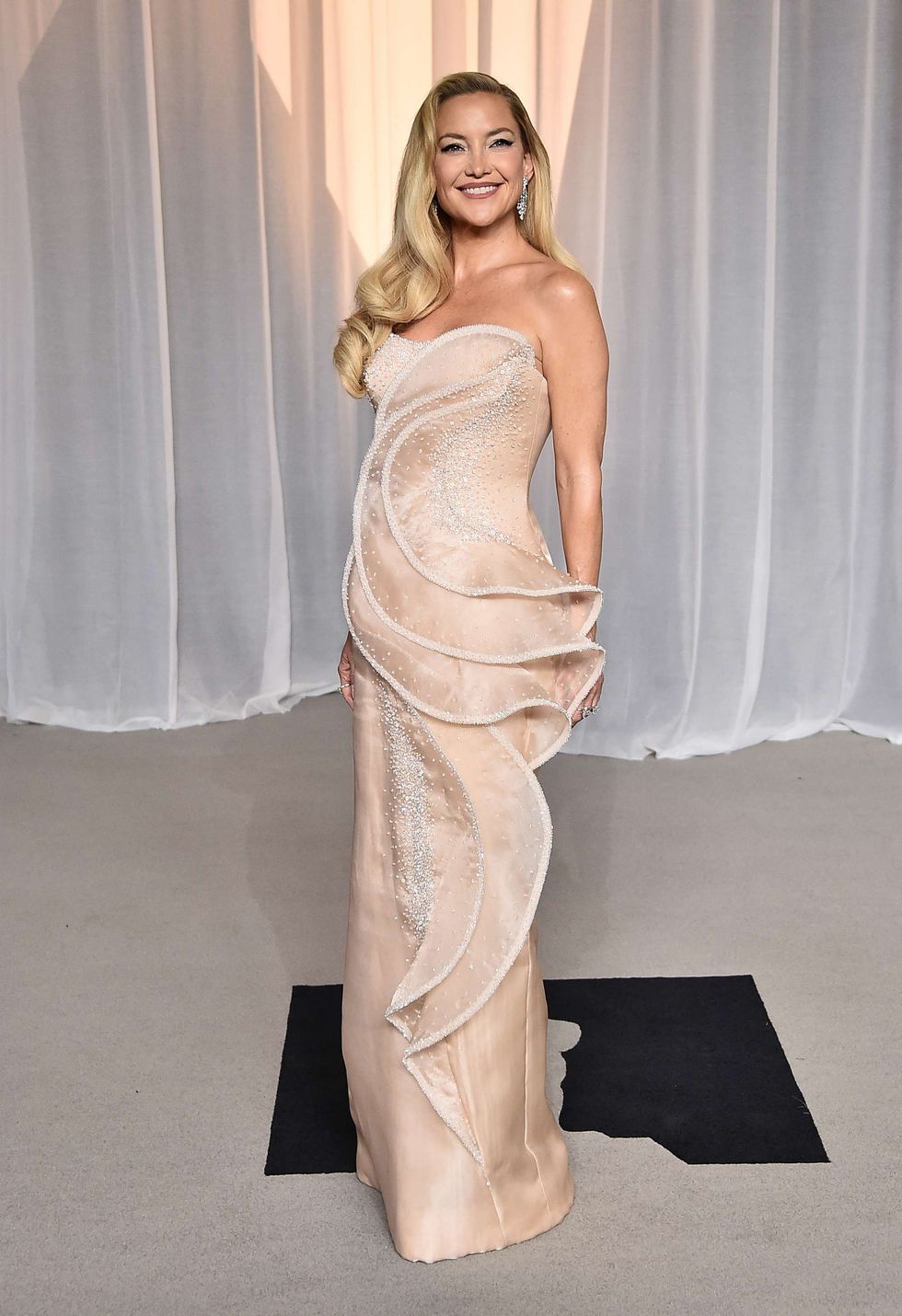 Kate HudsonGetty Images
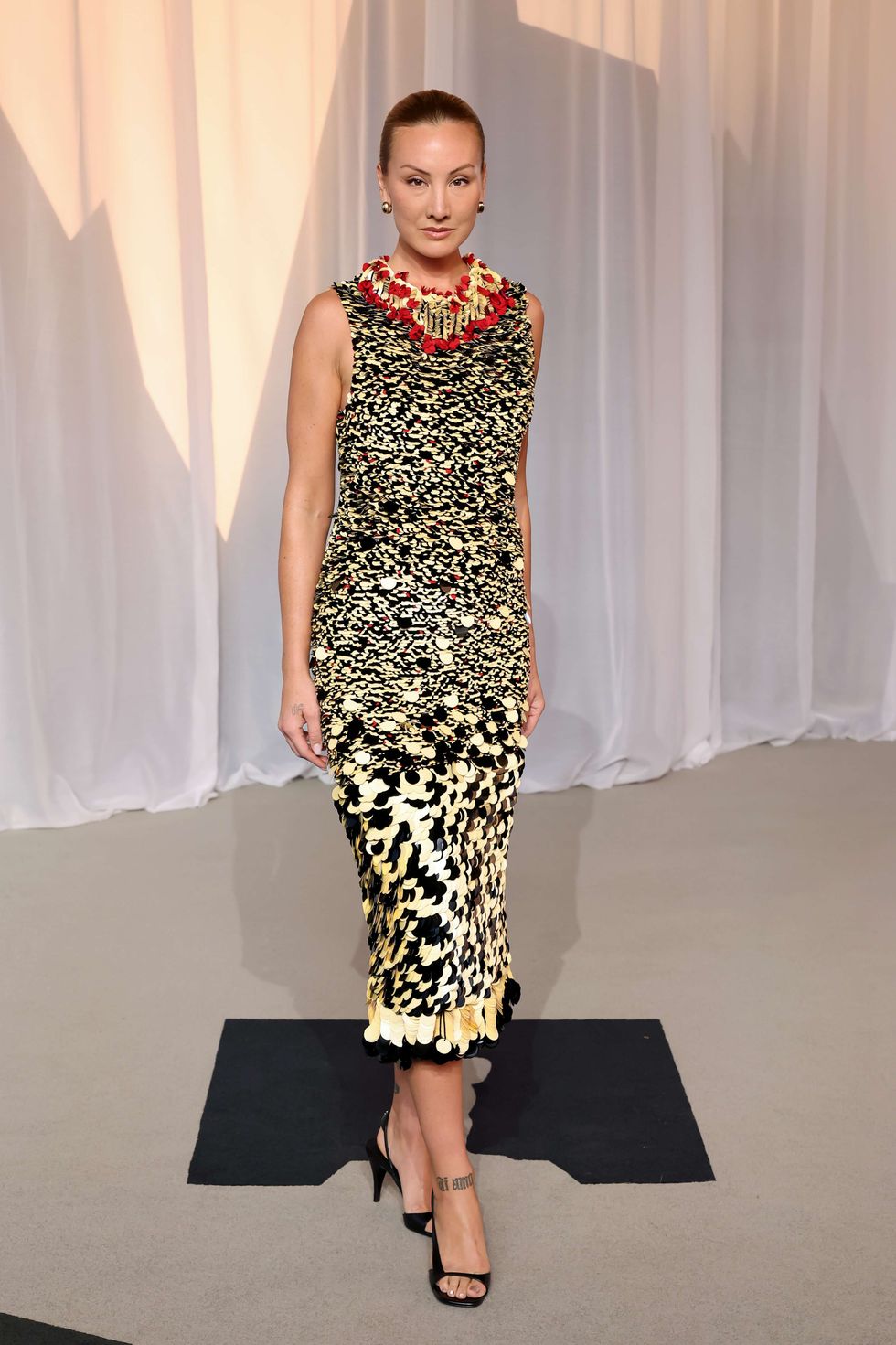 Miyako BellizziGetty Images