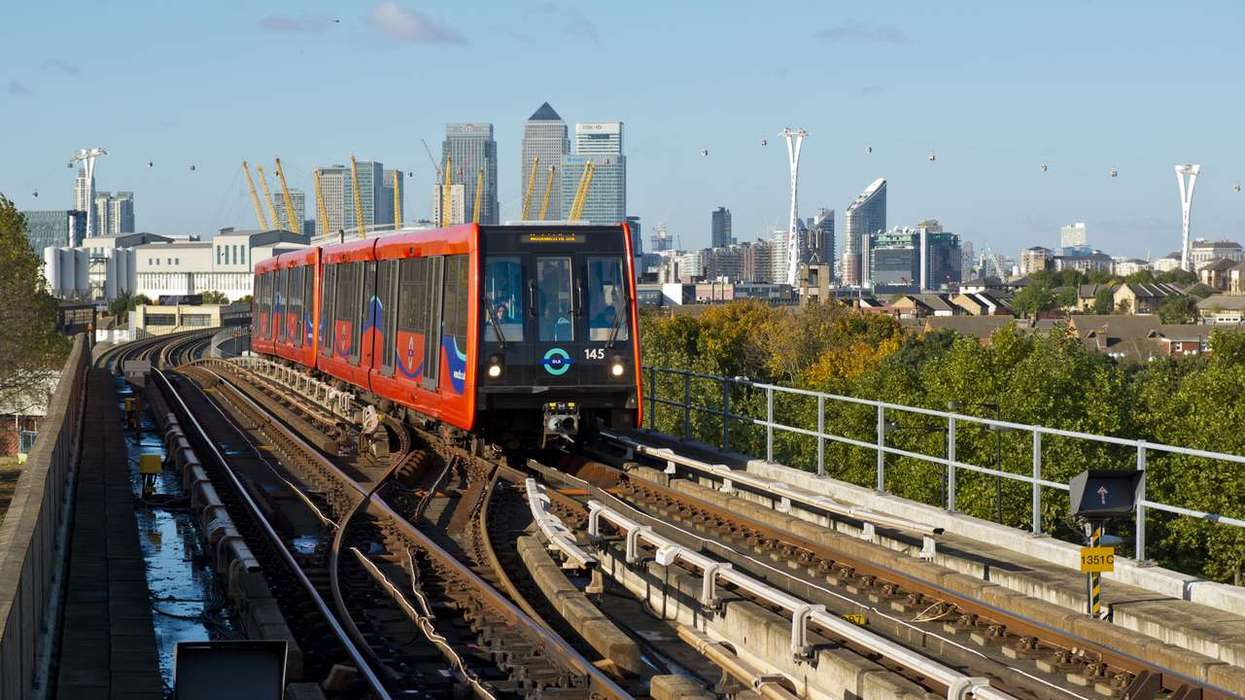

- The first of 54 new DLR trains has returned after 10 months off the tracks.
- The fleet was withdrawn just six weeks after its launch in September 2025.
- A braking software fault was identified under low rail adhesion conditions.
London has finally got its new DLR trains back, but the rollout has been anything but smooth.
The first of 54 new air-conditioned trains has returned to passenger service after spending 10 months off the tracks. The fleet was introduced in September 2025, only to be withdrawn six weeks later after one train overshot a station platform during wet weather.
The problem was traced to the braking software, which could be affected when there was low adhesion between the wheels and rails.
The decision to withdraw the trains meant passengers had to wait through an entire summer before the new fleet began returning, just as London experienced repeated heatwaves and temperatures reached 37C on some Underground lines.
What went wrong with the new trains?
The withdrawal was made as a precaution while engineers investigated the braking issue and worked with manufacturer CAF on a solution.
Transport for London has now modified the braking systems and installed additional equipment designed to improve grip between the wheels and the track.
The trains have also gone through what TfL described as a comprehensive programme of modifications, testing and assurance before the first unit was allowed back into passenger service.
The return will be phased rather than happening across all 54 trains at once. TfL says it will closely monitor performance as additional trains are introduced.
The first services will operate between Stratford International and Woolwich Arsenal.
Stuart Harvey, TfL's chief capital officer, said the authority was pleased to reach the milestone but apologised for the delay, stressing that the trains had been removed as a precaution because passenger safety was the priority.
Why London wanted them in the first place
The irony of the delay has been particularly noticeable during this summer's heat.
The new trains are air-conditioned and have been designed to make DLR journeys more comfortable, with spacious walk-through carriages, live travel information, mobile charging points and dedicated wheelchair spaces.
They will also increase capacity by 10 per cent and eventually replace some of the oldest DLR trains, several of which have been operating for more than 30 years.
The demand for more comfortable transport has been evident during London's extreme weather. Passenger data showed increased use of services such as Uber Boat by Thames Clippers and e-bikes during periods of intense heat, while some passengers appeared to shift away from deeper Underground lines towards Overground services.
DLR usage also increased, with entries and exits rising 5.7 per cent between July and August.
That makes the return of the air-conditioned fleet timely — but it also highlights how much passengers have already had to wait.
The remaining trains will enter service gradually as TfL completes the controlled reintroduction programme.
For passengers, the promise is now relatively simple: more space, better accessibility and, crucially after one of London's hottest summers, air conditioning.
But after a new fleet disappeared just six weeks into its launch, the priority this time is not simply getting more trains onto the tracks. It is making sure they stay there.