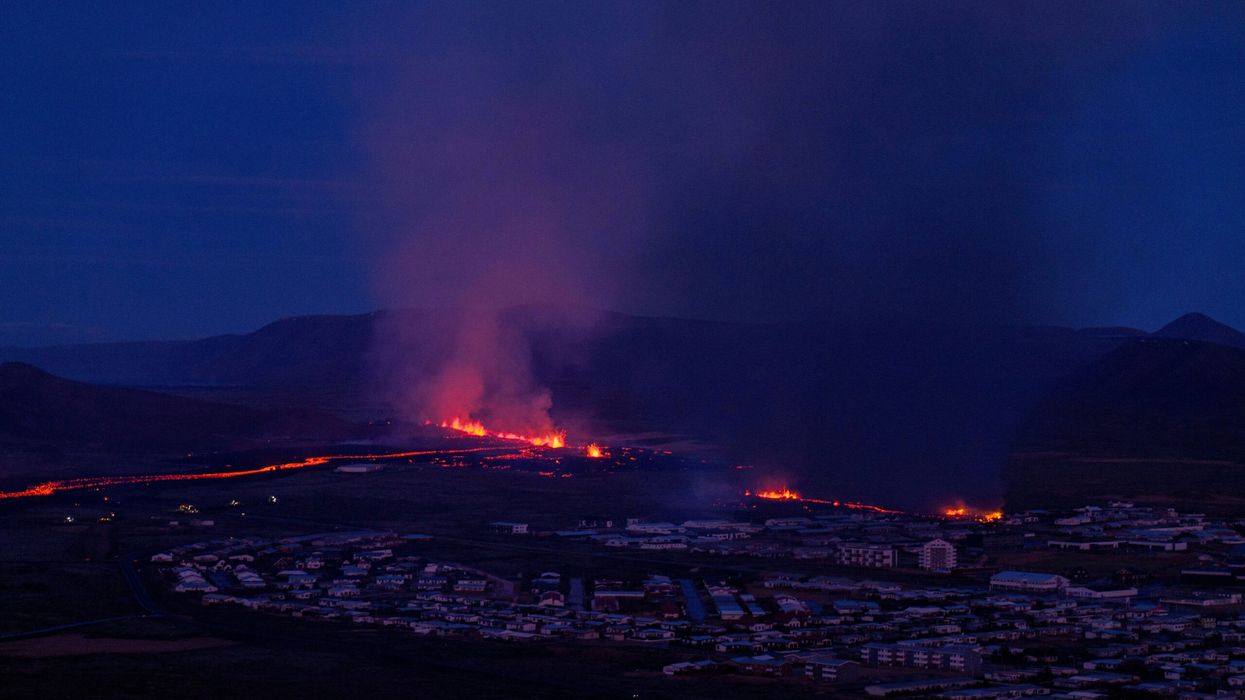

AS THE glowing river of lava from a volcano that erupted recently in Iceland ebbed, not everyone was happy.
Iceland boasts more than 30 active volcanoes, making the north European island a prime destination for volcano tourism – a niche segment that attracts thousands of thrill seekers every year to sites from Mexico and Guatemala, to Sicily, Indonesia and New Zealand.
Hazel Lane, a 49-year-old dental practice manager in London, had booked a ticket to Reykjavik as soon as she saw footage of an eruption on television in December, hoping to witness spectacular lava flows beneath molten red skies.
Lane had already visited Iceland in November, but it was too soon. Although authorities had by that time evacuated the nearly 4,000 inhabitants of the nearby town of Grindavik, weeks passed before the volcano - which lies about 40 km (25 miles) southwest of Reykjavik - erupted on December 18.
“I had a crazy notion of going to Reykjavik for the day to fly over the volcanic eruption,” Lane said. She arrived with her son and his girlfriend on December 22 to find that lava flows had already diminished.
“We’re disappointed that the volcanic activity has ceased, but we will still have a beautiful day in Reykjavik.”
Troll Expeditions – which offers tours to Iceland’s ice caves, glaciers, geothermal pools, as well as a range of volcano trips – said tourist bookings to Iceland dropped before the Grindavik eruption due to the earthquakes preceding it. But the eruption itself quickly brought back interest.
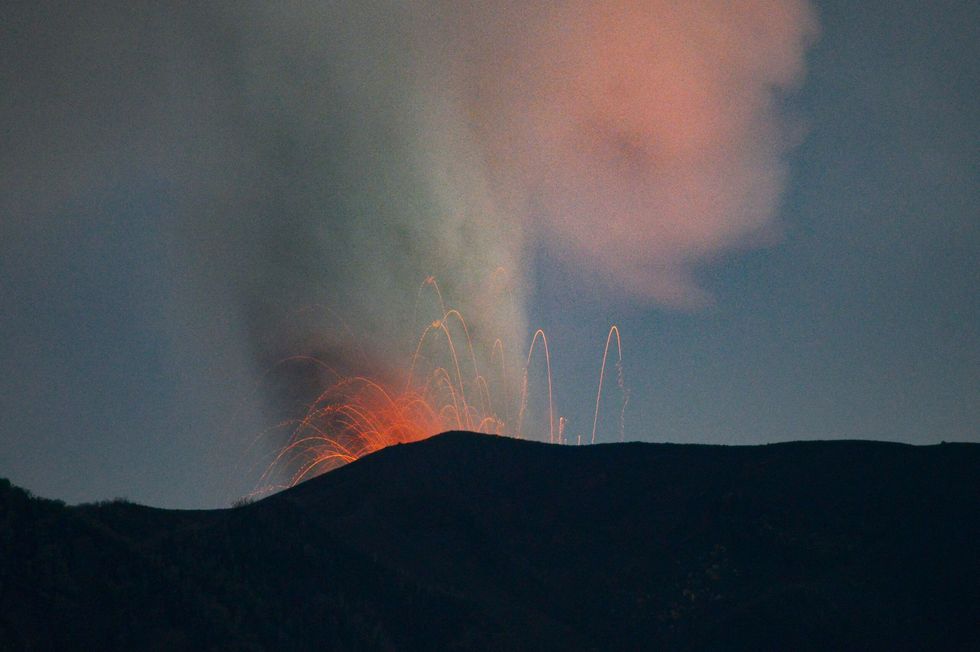 one of the active volcanoes in West Sumatra
“People are very excited to see the volcano. Unfortunately, the eruption has paused for the moment,” the company said by email, noting it was the fourth eruption in the area in the past three years.
“The other eruptions have been great for tourism, as they have been so-called ‘tourist eruptions’ where you can get quite close to the crater and witness the lava flow.”
Lane will probably not have to wait long before the next eruption.
The decreased activity of the volcano near Grindavik quelled worries of a Arepeat of the travel chaos caused by ash from a major eruption of the island’s Eyjafjallajökull volcano in 2010.
But for local tour agencies planning to take tourists to the site, it was a missed opportunity. Recent eruptions, like the 2021 Fagradalsfjall volcano in southwest Iceland, have drawn thousands of visitors.
Iceland’s former president, Olafur Ragnar Grímsson, previously encouraged visitors to get ready for January.
“The predictions are that in two weeks the eruption might start again! Book your flight now so you can witness the Earth being created!” Grímsson said in a December 23 post on X, formerly Twitter.
For dedicated ‘lava chasers’, nothing beats an arduous climb to the top of a volcano, the walk around a crater and the smell of sulphur in the air.
Often, eruptions can be predicted well in advance, leaving plenty of time for evacuations and warnings.
But in some other cases, tourists have paid with their lives.
Visiting volcanoes remains popular and by managing risks properly, the chance of accidents can be minimised, said Tom Pfeiffer, a geologist and volcanologist who runs VolcanoDiscovery, a company in Germany.
They organise tours to volcanoes around the world in small groups, taking on around 150 people per year to places including Java, Sulawesi, Sicily, and also Iceland. He said interest in visiting volcanoes fluctuated a little, depending on how much media attention they were getting, but was generally pretty steady.
“I’m sure the average number of accidents among volcano tourists is much lower than the average number of mountain sport accidents,” Pfeiffer said by email. “This also holds despite the fortunately very rare cases of big disasters like the recent one at Marapi.”
He was referring to Indonesia’s Marapi volcano which erupted in December, killing 22 people. They were climbers who perished near the crater. Marapi is one of the most active volcanoes on Sumatra island and previously erupted in January and February last year.
Pfeiffer said many of the accidents that did occur were due to a lack of preparation or information, or excess risk taking. Relying on local advice from authorities, volcano observatories and relying on guides with extensive experience could all mitigate the change of anything going wrong.
Arnar Mar Olafsson, director general of the Icelandic Tourist Board, said some travellers had not respected the closure zone around the Grindavik eruption site and had to be turned away. (Reuters)