
- Labour wins the seat vacated by former prime minister Keir Starmer.
- Abdi-Wali secures 12,292 votes, ahead of Polanski’s 8,928.
- Green leader vows to remain in his post despite questions over his leadership.
- Row over a Green Party motion on Zionism adds to pressure on Polanski
PRIME MINISTER Andy Burnham’s Labour Party has retained Holborn and St Pancras after defeating a strong challenge from the Green Party in a by-election on Friday (9), giving the new prime minister an early electoral boost.
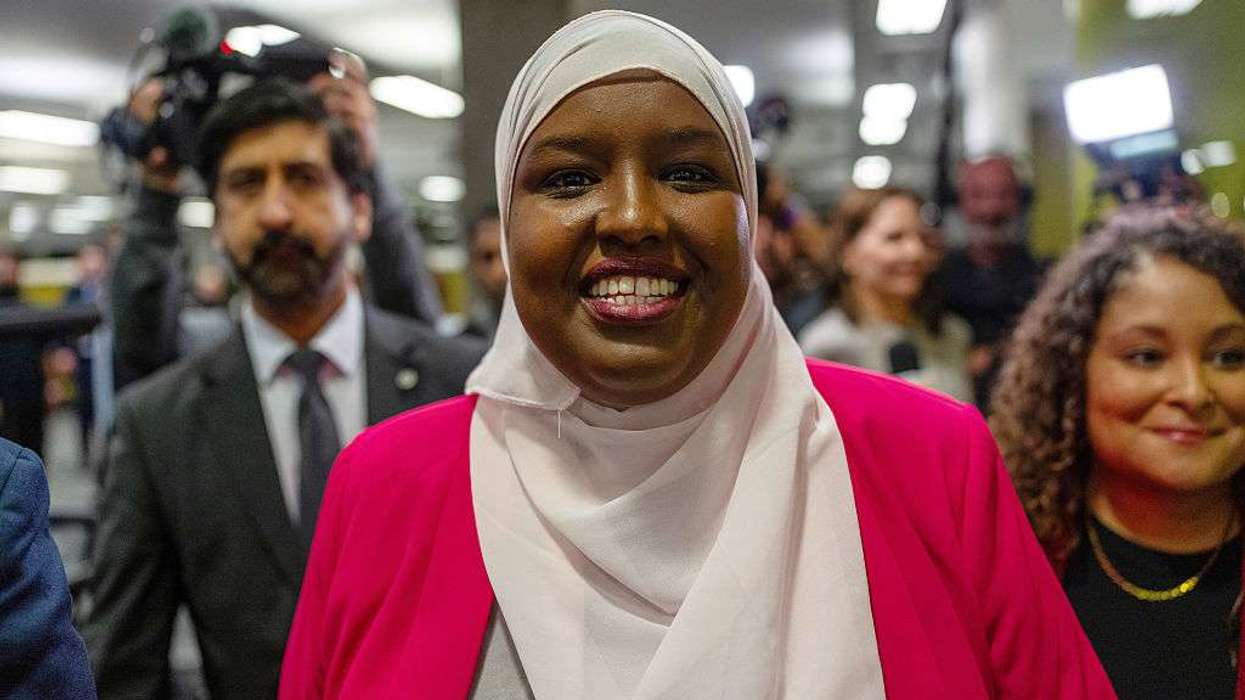
Labour candidate Sagal Abdi-Wali, leader of the local council, won the central London constituency with 12,292 votes. Green Party leader Zack Polanski finished second with 8,928 votes.
The result was widely expected to favour Labour, but the Greens’ challenge made the contest an important test of Burnham’s appeal among voters in the capital.
Starmer vacated the seat in September after being removed as prime minister in July. Lawmakers had turned to Burnham amid concerns that Labour’s declining popularity could leave it vulnerable to the right-wing populist Reform UK at the next general election.
Labour had lost support to the Greens under Starmer, particularly among younger, left-leaning voters in London and other urban areas. The Greens made record gains in the capital’s local elections in May.
However, the party has since fallen back in opinion polls, while Burnham has sought to win back voters on Labour’s left by taking a tougher position on Israel and proposing closer relations with the European Union.
Abdi-Wali says victory is for unity
Abdi-Wali, who arrived in Britain as a child refugee from Somalia, said her victory represented a rejection of attempts to divide communities.
“We have a responsibility to defend what we’ve built and pass it on,” she said.
Her victory gives Burnham a measure of reassurance that Labour can regain support from voters who had turned to the Greens, although the result alone does not establish whether that shift will continue elsewhere.
Labour chair Bridget Phillipson said the result showed the party’s “message of hope is really cutting through”.
She also criticised a motion passed at the Greens’ annual conference declaring that Zionism is racism. The motion called for “the establishment of a single democratic Palestinian State in all of historic Palestine” and drew criticism from Jewish groups, other political parties and most Green MPs.
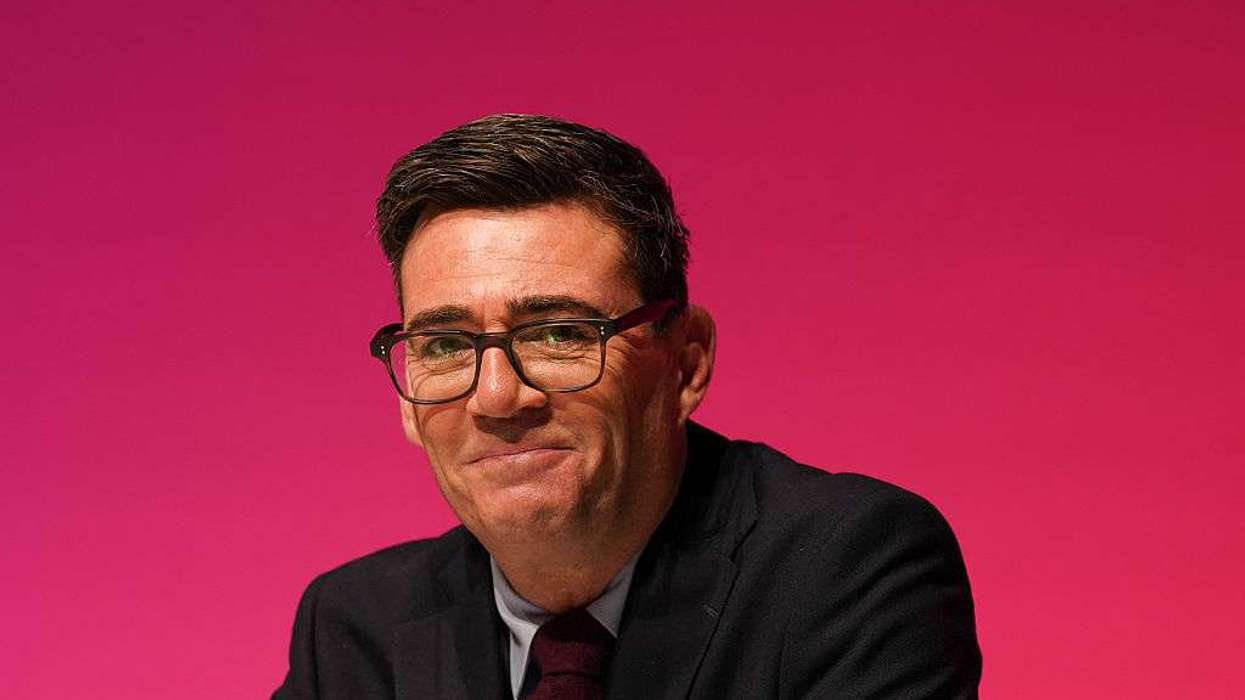 Andy Burnham attends the opening speeches on the first day of the Labour Party Conference at Liverpool Experience Campus on September 27, 2026 in Liverpool, England. (Photo by Ian Forsyth/Getty Images)
Phillipson said the motion held “British Jews to a standard that we do not apply to others”.
“We tackled antisemitism in our own ranks, but all political parties have to be ever vigilant,” she told Times Radio, referring to Labour’s past struggles with antisemitism under former leader Jeremy Corbyn.
Polanski vows to remain as Green leader
Polanski, 43, conceded defeat but said he would remain as Green Party leader. He described the result as part of “Andy Burnham’s honeymoon”, suggesting the new prime minister had benefited from a period of goodwill following his arrival in office.
The former actor and hypnotherapist had previously made gains by attracting voters dissatisfied with Labour. His leadership is now facing scrutiny following the controversy over the conference motion on Zionism.
Polanski, who is Jewish, was repeatedly questioned about the vote after the by-election. He said he believed the displacement of Palestinians and what he described as the “ongoing genocide” in Gaza were racist. Israel rejects allegations of genocide and ethnic cleansing.
Polanski did not vote on the motion.
The issue has also exposed differences within the Green Party. Caroline Lucas, the party’s former leader, declined to give Polanski an unequivocal endorsement when asked whether he should remain in the post.
“I think just let’s see what happens in the coming days and weeks,” she told the BBC. “I want him to speak now about what has happened, I want him to show the leadership that was frankly missing on Sunday.”
Her comments add to the questions facing Polanski as he seeks to maintain the support he attracted from voters on the left.
Burnham faces first budget test
The by-election result comes as Burnham prepares to set out his government’s financial plans in his first budget on October 28.
Polanski said the Greens should now concentrate on whether the budget would meet voters’ expectations, rather than allowing the by-election result to dominate the party’s attention.
“So many people told me on the doorstep that they want to give Andy Burnham a chance,” he told broadcasters. “Well, he’s got a chance now. Let’s see what he does with it.”
Burnham’s victory in retaining Starmer’s former constituency gives Labour an opportunity to demonstrate that its policy changes can bring back voters who had moved towards the Greens.