
THE aunt of Zara Aleena, who was murdered by a man out on early release, has issued a stark warning to Labour as the government prepares to announce plans to release prisoners after they have served just 40 per cent of their sentences.
This move, aimed at easing overcrowding in jails, has sparked fears over public safety, with critics arguing that inadequate supervision could lead to increased criminal activity.
Prime minister Keir Starmer defends the proposal, citing overcrowded prison conditions as necessitating urgent action.
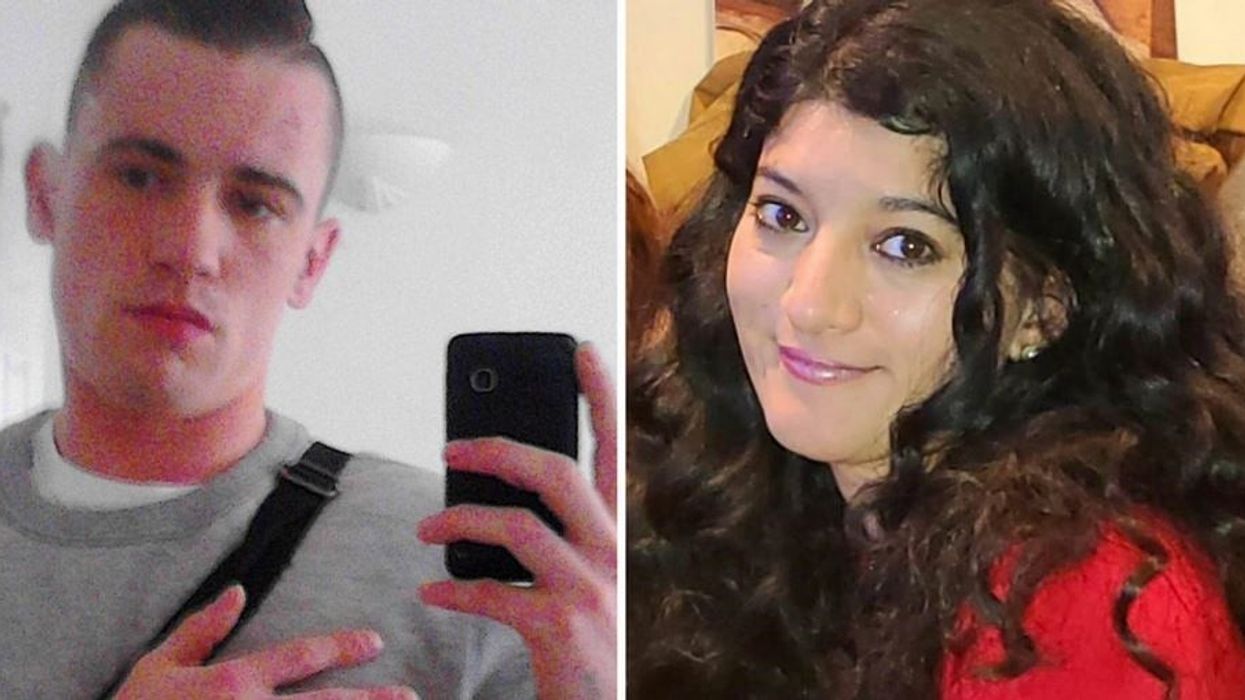
Zara Aleena was raped and murdered while walking home from a night out in east London in June 2022.
The killer, Jordan McSweeney, who had been released from prison on licence just nine days earlier, was sentenced at the Old Bailey to life imprisonment with a minimum term of 33 years for the killing and sexual assault of the 35-year-old law graduate.
"If the system cannot deal with those people being released into the community, then those people are not going to be supervised adequately. And when people, perpetrators, even thieves are not supervised adequately, crime can escalate. It doesn't always escalate, but it can," Aleena's aunt Farah Naz was quoted as saying by the BBC.
"Then we've got unsupervised people because of a poor probation service in the community and people become emboldened – 'well I can do what I like if nobody is supervising me' – and that's what happened in our situation.
"It was a man that was emboldened because he was not supervised, he was not assessed, he was constantly allowed to do what he wanted to do, and therein lies a dangerous gamble with public safety with this move right now."
Naz claimed that the probation service had failed to provide adequate supervision or respond promptly when McSweeney violated his licence conditions.
According to Labour plans, 20,000 inmates could be released early in the next few months.
At the NATO summit, Starmer stressed the severe issue of overcrowded prisons, blaming the previous government for failing to provide adequate facilities. He added that the urgent need to address the imbalance between prisoner numbers and available spaces, calling it a predictable yet shocking problem.
Metropolitan police commissioner Sir Mark Rowley acknowledged the challenges, describing early prisoner releases as the least undesirable option to prevent prisons from reaching full capacity. He pointed out the risks of a strained system impacting courts and public safety.
Meanwhile, a government spokesperson warned of dire consequences if prisons ran out of space, including overflowing police cells and delayed court proceedings, jeopardising public safety.
Police sources echoed concerns, predicting rapid cell overcrowding and its potential impact on law enforcement capabilities. They stressed the necessity to avert such a crisis to maintain public order.
Experts in the criminal justice field feared that releasing prisoners prematurely could lead to increased crime, including looting and breaches of bail conditions, further complicating the situation.
Former Tory justice secretary Alex Chalk criticised Labour's proposed plan as a short-term fix, while Tory MP Neil O'Brien voiced skepticism about the safety implications of releasing a large number of prisoners.