GRANGE PARK OPERA’S staging of John Tavener’s Krishna at its south London venue promises to be one of the most anticipated musical events this summer.
Written by the acclaimed English composer before his death in 2013, it is the first time the opera will be performed (a small part was previously staged in Manchester) in the UK, with creatives led by the former artistic director of Welsh National Opera, Sir David Pountney and choreographer Shobana Jeyasingh.
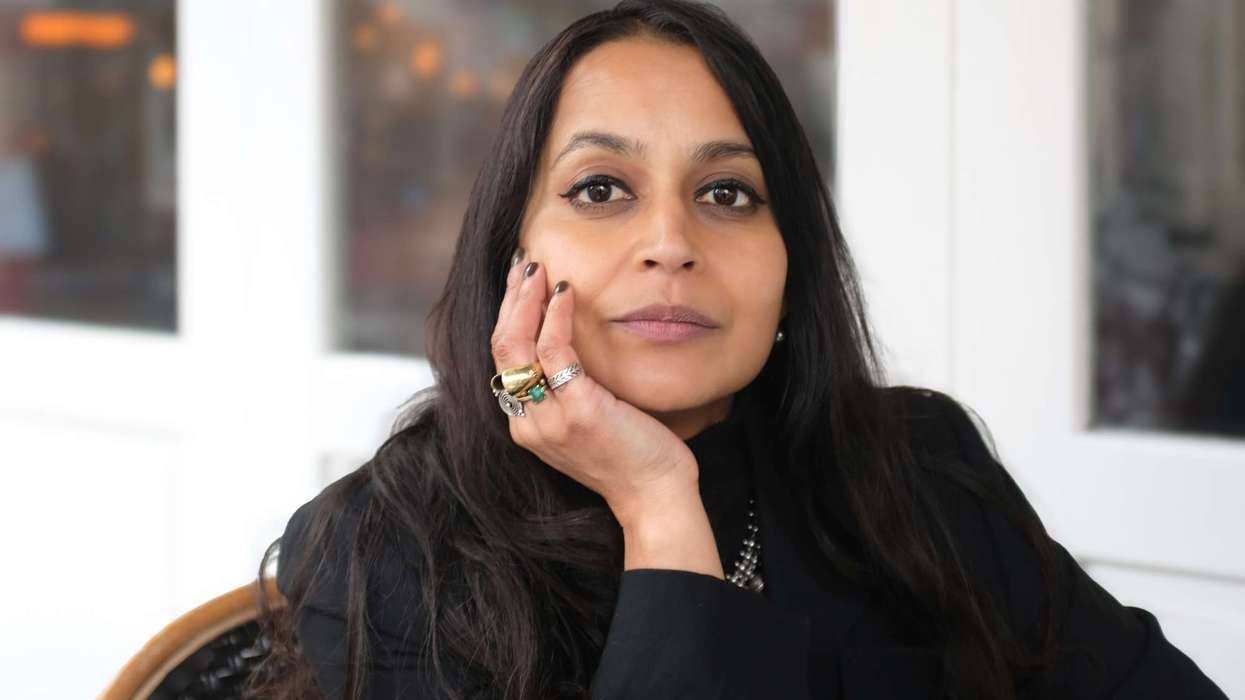
Wasfi Kani, founder of Grange Park Opera, told Eastern Eye, “I think it will be extraordinary. I’m not just saying that; I’m doing a load of other operas, as well.
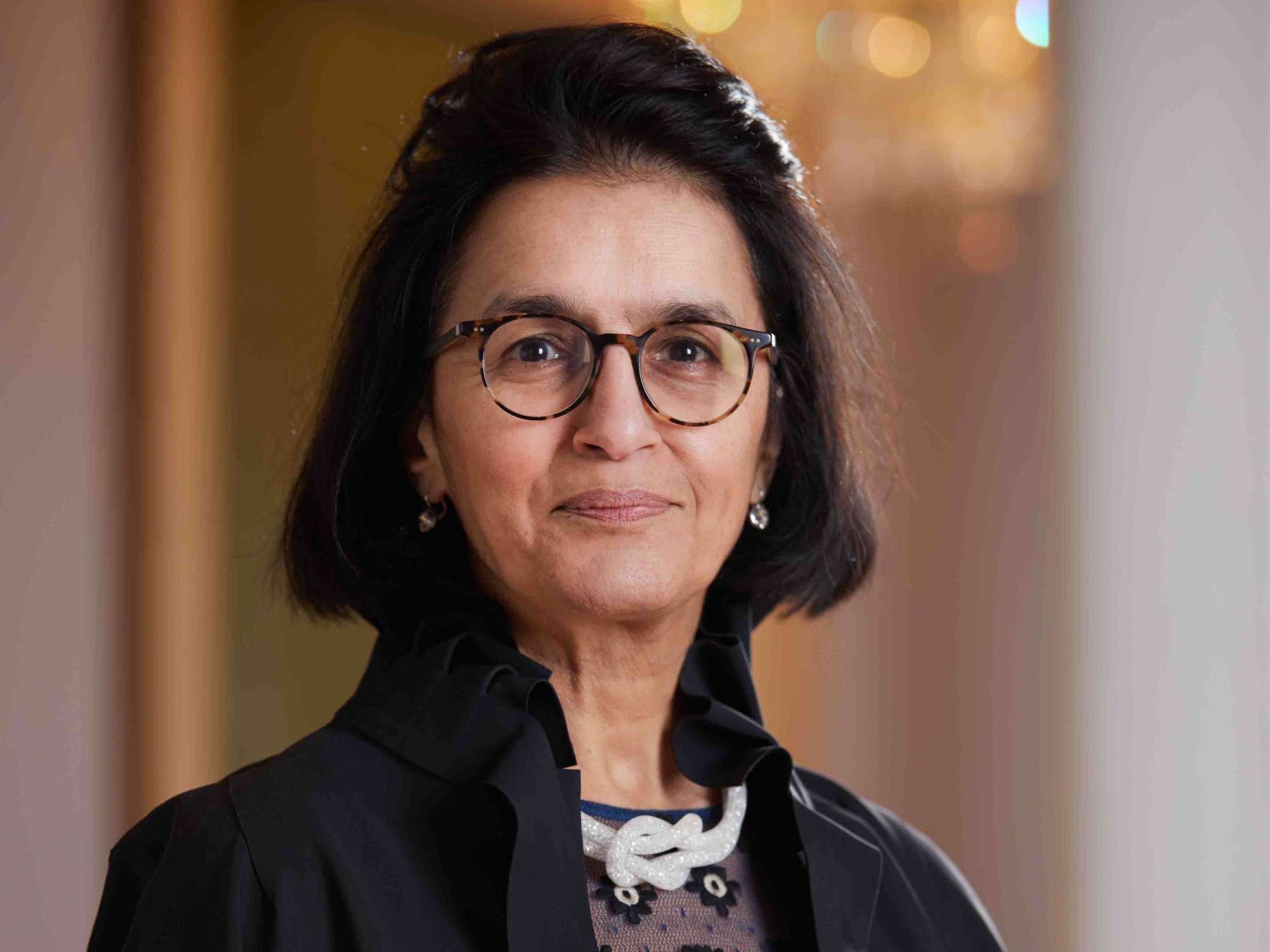 Wasfi Kani Richard Lewisohn
“This is an important moment, because it’ll never happen again. There will never be a mystic pantomime about Krishna written by a major composer.”
Tavener, whose interest in world religions led him to become friends with the Prince of Wales (now King Charles), began to write music about the devotion to Krishna, but sadly passed away before it was staged. That manuscript landed on Kani’s desk after Prince Charles asked Sir David if the Welsh National Opera would stage it.
Kani recalled how she got involved in the project: “Pountney said, ‘It’s not quite the right piece for the Welsh National Opera, but I think I know someone who could do it.
“And because I happen to have an opera house, and we put on some large-scale productions, David came to me. So, I agreed to do it.”
Kani, who studied music at Oxford, first deciphered Tavener’s manuscript and worked out how to stage it and how long the opera would be.
Covid led to a further delay to the project, but Krishna is scheduled to be staged next month at Grange Park, before moving to Houston in the US.
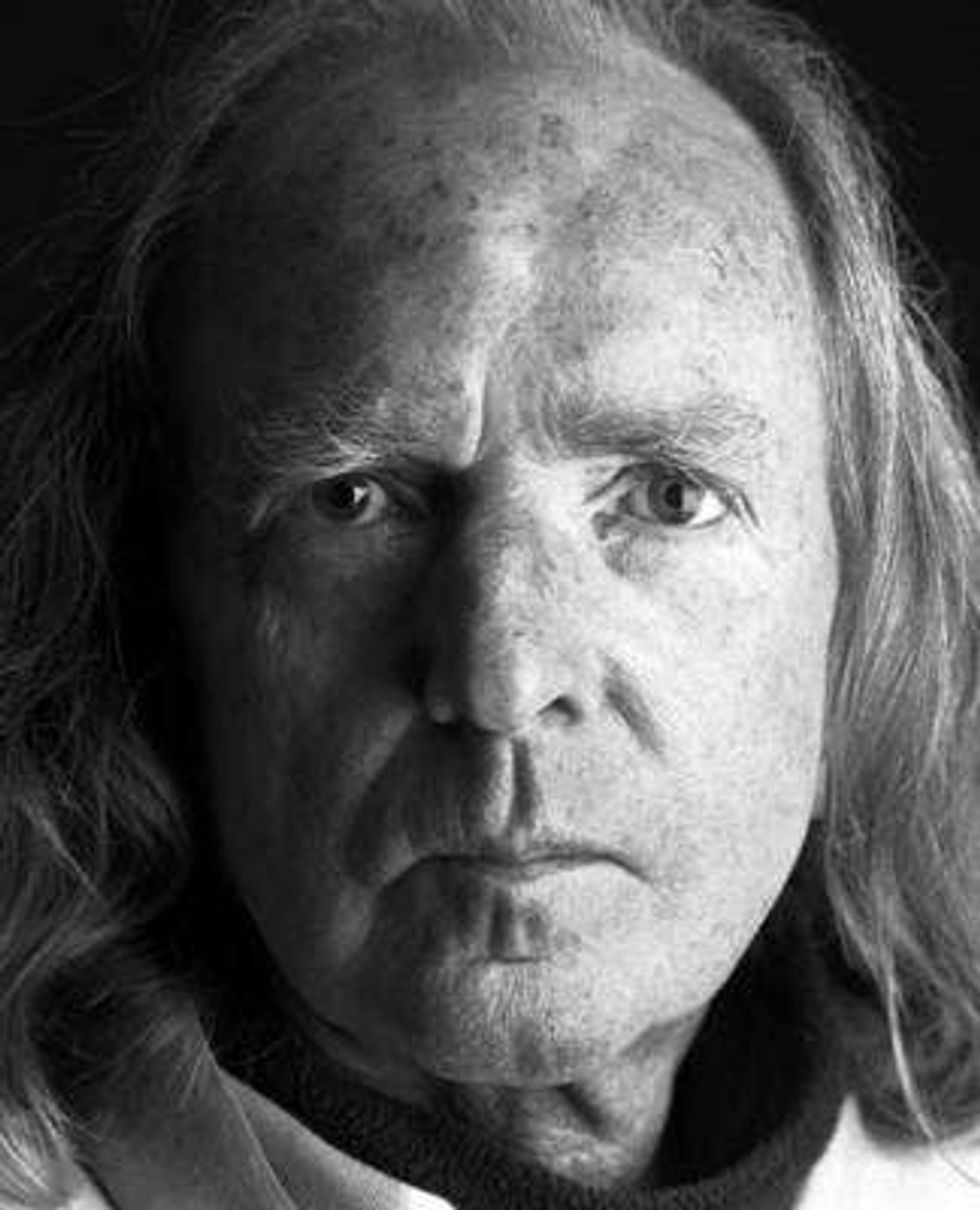 John TavenerGrange Park Opera
Kani explained why this opera is one of a kind – with Tavener’s description of the love duet section as “the most ecstatic piece of music” he had ever written, as well as his instructions for some of the musical instruments.
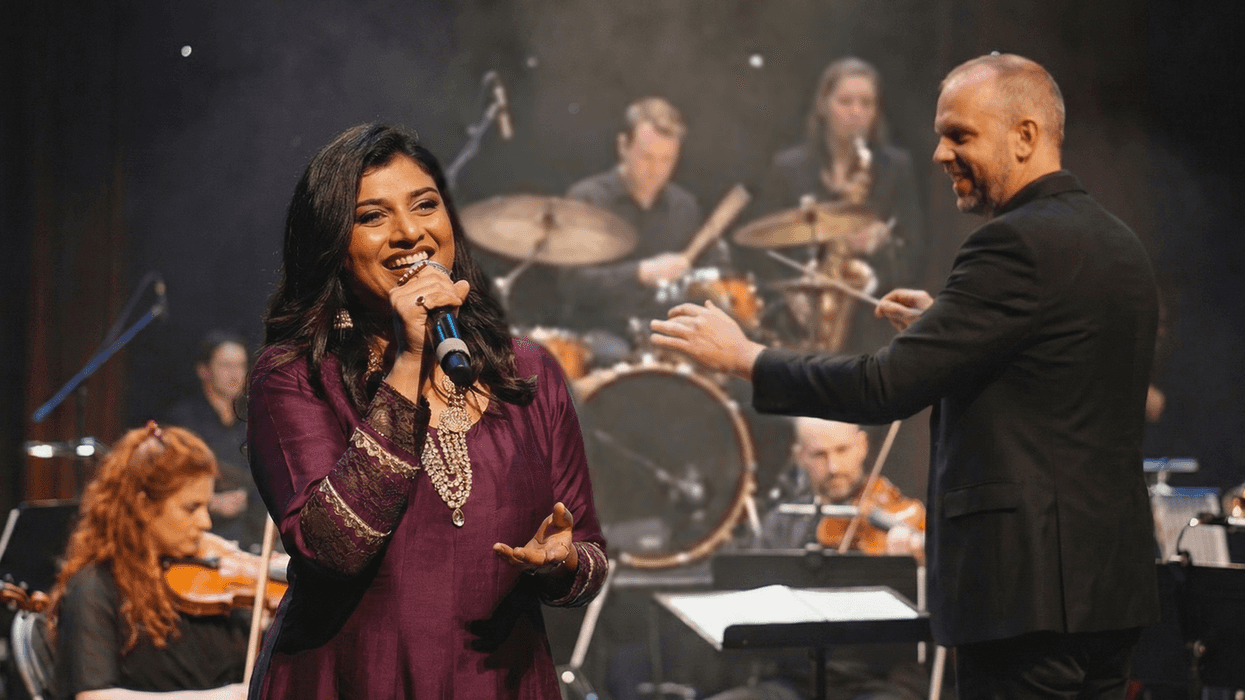
The composer asked for eight flutes in a halo-like arrangement above the head of (the performer playing) Krishna, which is unprecedented in traditional opera, Kani said.
“We have five tiers in the opera house; the flutes will sit on the very top level, the attic. We won’t have any audience there. So the audience listens to all these things going on, and then whenever Krishna appears, you hear this sound coming from behind you and high up.”
There are 13 scenes depicting the life of the popular deity, with a big Hindu temple on the stage and the chorus “kind of stacked up inside”, Kani added.
Another of Tavener’s specifications was for a pow wow drummer, but since they are Native American, Kani said Krishna features a “very flamboyant Japanese woman who is kind of also dancing and playing these massive drums”.
“There’s one completely insane dance sequence, when the young Krishna is being poisoned,” she added.
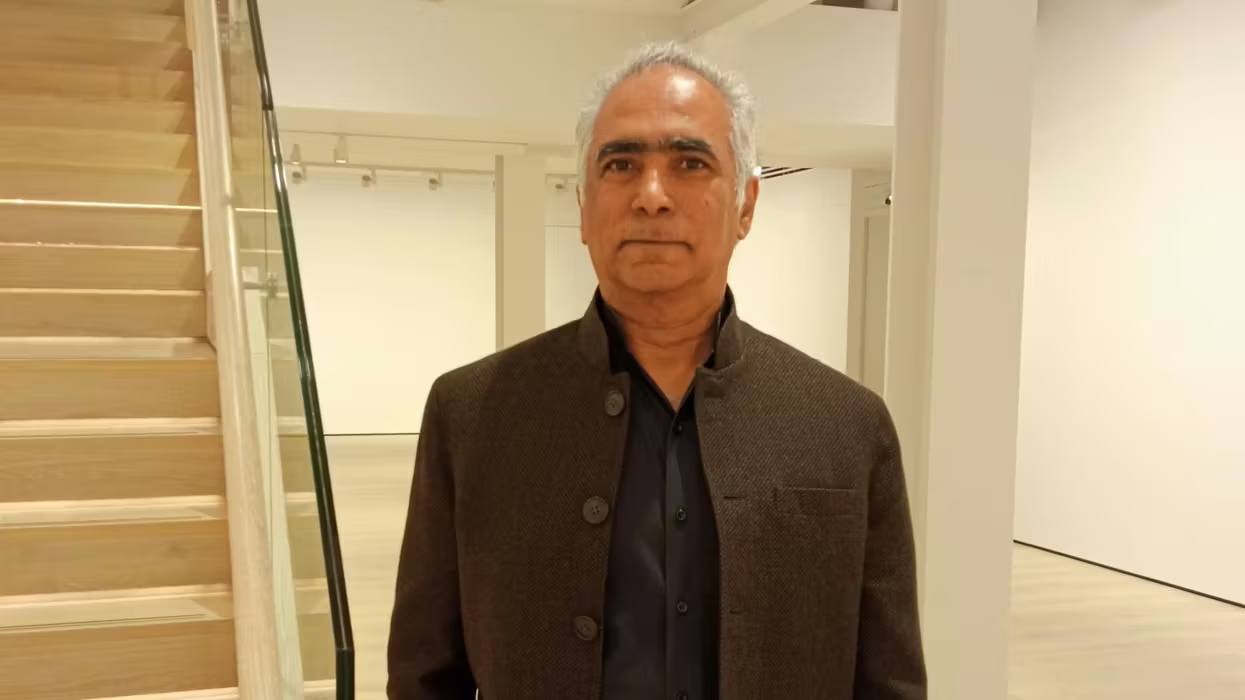
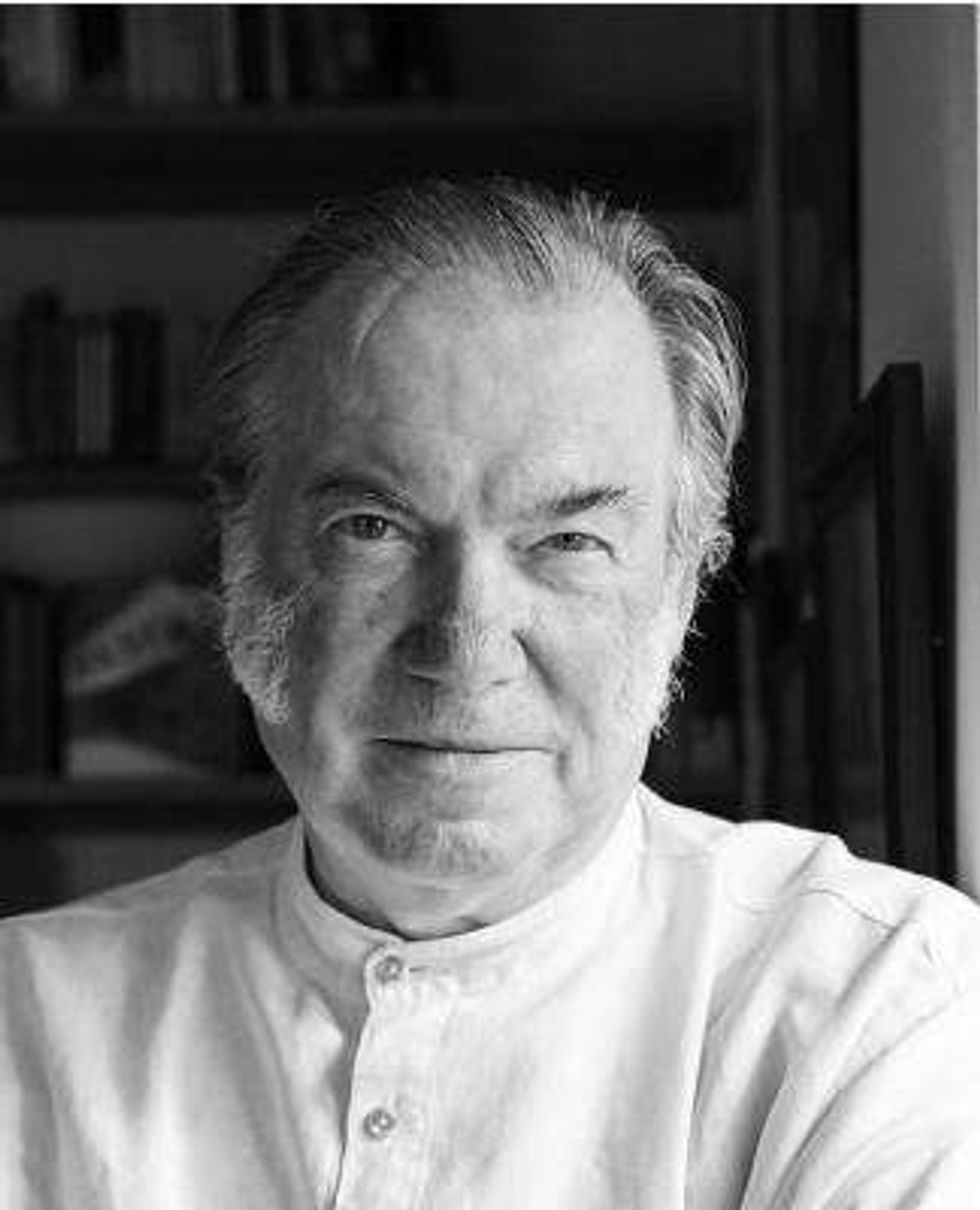 Sir David PountneyGrange Park Opera
“There’s also a lot of very high trumpets playing some very aggressive music at other moments in the pit; there are violins and all the rest of it. It will be extraordinary.
“I think this will be amazing, musically.
“You’re meant to sit in your seat and feel things; ultimately that is what opera is about, what they feel with this sound world and with what’s happening in front of them, and the narrative, they’ll feel things. That’s what going to the opera is about.”
While composing music for Krishna, Tavener worked with Ranchor Prime, an Englishman who has become a sort of Krishna elder in the community, Kani said.
“Tavener told Rancho, ‘When I’m composing a piece, I barely want to eat or sleep. I just want to keep com posing, and when it’s finished, I just feel suicidal’.”
He added, “I don’t want to call this an opera. I want to call it a mystic pantomime.”
Krishna’s character is played by four people, portraying the child, the adolescent, the young man (depicted in the central love scene), and Krishna the adult, as an old man.
Kani, who was born to an Indian Muslim family before becoming a Catholic, described how there is a spiritual side to this opera.
“I do believe there’s something more in the world than what I can see in front of my eyes.” She added, “What I’ve learned more recently is the devotion around Krishna.
“One of the things Ranchor says, which I thought was very clever, is that Krishna is the cause of all causes.
“Krishna lives in all our hearts, whether we acknowledge him or not.”
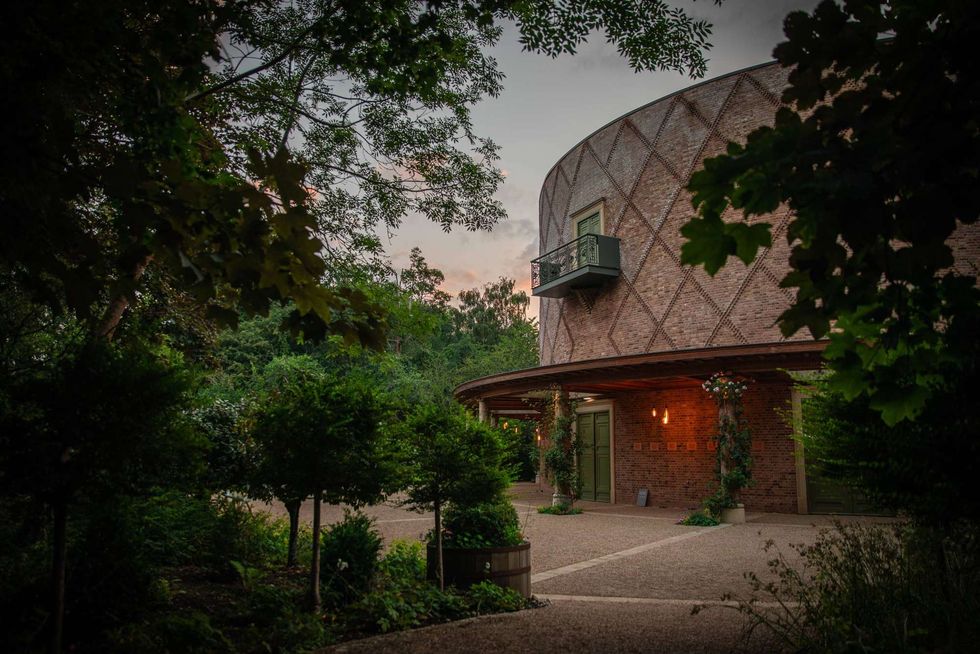 The Grange Park Opera venue in south London Grange Park Opera
Given its non-traditional theme, Kani is less fussed about the diversity of audiences for Krishna.
“People should attend if they want to attend,” she said, adding Grange Park Opera was promoting it among people interested in yoga and stillness, “because it is a sort of very meditative piece, though there’s some very fast music in it as well, and also to Krishna devotees”.
While there’s growing curiosity and excitement about the opera among UK enthusiasts, Kani revealed she wants to take it to India.
“I’m very keen to try and make it happen, though I’ve not succeeded, to get this piece performed in India,” she said.
Feelers have been sent, but after initial interest, there hasn’t been further progress, Kani conceded.
“I think once it’s been performed, people in India will find it easier to go, ‘okay, I get it, it needs to come to India’.”
Krishna will be performed on June 4, 13 and 21 and July 2. grangeparkopera.co.uk/whats-on/krishna