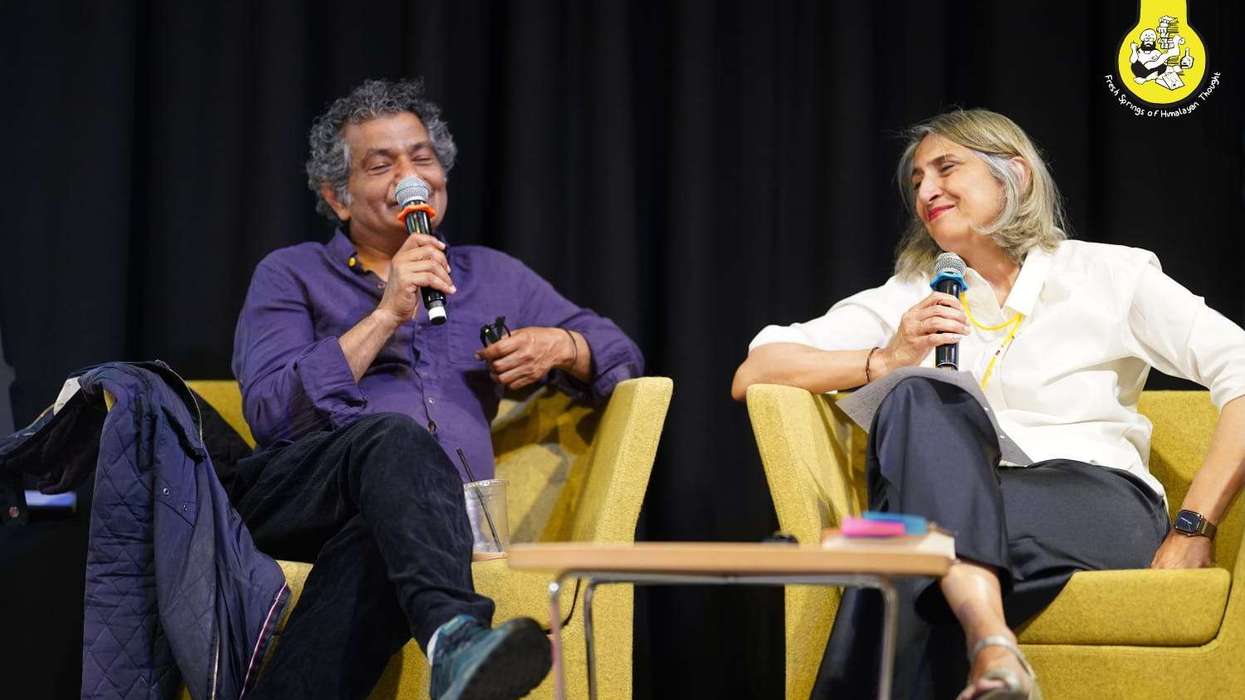

THE Khushwant Singh Literary Festival, which the journalist Rahul Singh holds in Kasauli in the Indian Himalayas and in London annually in memory of his late father, got off to a great start at SOAS on Saturday with an exchange between the novelist Mohammed Hanif and the columnist Moni Mohsin.
Since they are both Pakistani, “we couldn’t have them in India,” Rahul pointed out, adding his father always wanted friendly relations between India and Pakistan.
Everyone agreed this is not possible currently between the two governments.
Hanif talked about his new novel, Rebel English Academy, which is set in Pakistan during the martial law era following the execution of Zulfikar Ali Bhutto on April 4, 1979.
“The satirical novel follows a vibrant cast of interconnected characters – including a lapsed Marxist English teacher, an eccentric local imam, and a fugitive seeking shelter in a mosque tuition centre,” according to the publishers. “The book balances dark, gallows humour with a serious look at state censorship, religion, and the enduring power of dissent.”
The man who sent Bhutto to the gallows was the very person he had appointed as his army chief, General Zia u-Haq. Zia’s death in the mysterious crash of a C-130 military aircraft on August 17, 1988 was the subject of Hanif’s darkly humorous first novel in 2008, A Case of Exploding Mangoes.
London-based Moni writes a satirical column, The Diary of a Social Butterfly, for The Friday Times in Pakistan.
In her latest column, she recounts the return of her darzi (tailor), who had been unceremoniously slung out of Abu Dhabi.
 Rajdeep Sardesai KSLF
Moni writes: “Vaisay, look at the Emiratis, honestly. Not only are they throwing our poors out left, right and centre, they’re also keeping their hard-earned earnings. What cheeks! And aur tau aur, they’re also not giving visas to us achha bhala, parrha likha, khaata peeta types. Apparently, they’re peed off with us because we’ve been hosting the piece talks and we haven’t taken their side like they wanted us to. Bhai, why should we get dragged into another war, haan? Like we don’t have enough already!
“And talking of visas, apparently there’s been a huge jaloos in London, at which someone called Dummy Robinson has led a whole army of pinkfaced, loud, sweaty types, who’ve gone down Pickadilly shouting that they want to throw out all Muslims and they want to take back their country. I thought they took it back at Brexit only. Have they lost it again? Mujhay tau lagta hai, goras have become very careless, baba.”
Maybe what is happening to Imran Khan will inspire Hanif’s next novel. Being a former victorious cricket captain hasn’t saved Imran from being thrown into jail by Pakistan’s current military leader, Field Marshal Asim Munir. He is Donald Trump’s favourite general, having nominated the US president for the Nobel Peace Prize. Moni would say he is currently brokering “piece talks” between Iran and the US.
In a sense, Imran is the author of his own misfortune. He came to power by ingratiating himself with the military, but was slung into jail when he fell out with the men in uniform. According to a report in The Sunday Times – ‘The army chief wants to break Imran – we fear for our brother’ – Imran is in a bad way.
His sister, Uzma, told the paper that she feared that brother, now 73, was going blind. The paper notes that “perhaps unwisely, in 2019 when (Imran) Khan was prime minister he sacked Munir as head of military intelligence, after he started investigating corruption claims surrounding Khan’s former spiritual adviser turned third wife, Bushra Bibi. Three years later Khan was ousted in a confidence vote engineered by the army.”
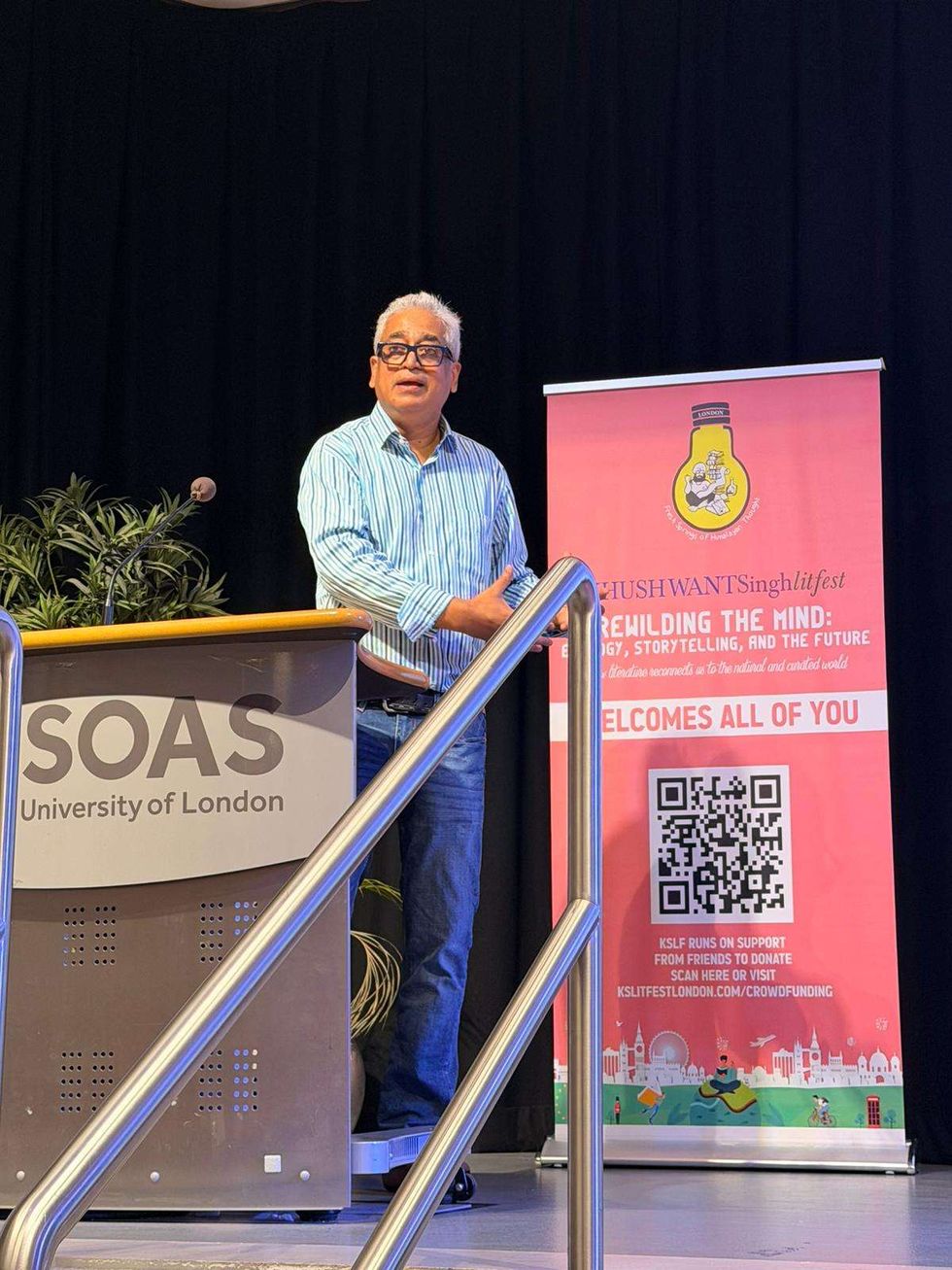
KSLF ended on Saturday with a barnstorming performance by the Indian journalist and TV celebrity anchor, Rajdeep Sardesai, whose latest book is called 2024: The Election that Surprised India.
The Indian media, he said, is basically in dire straits because of control by governments, both at the centre and also in the states. But he retained hope for the country because of the actions of brave individuals.
“The people of India are magic,” he said.

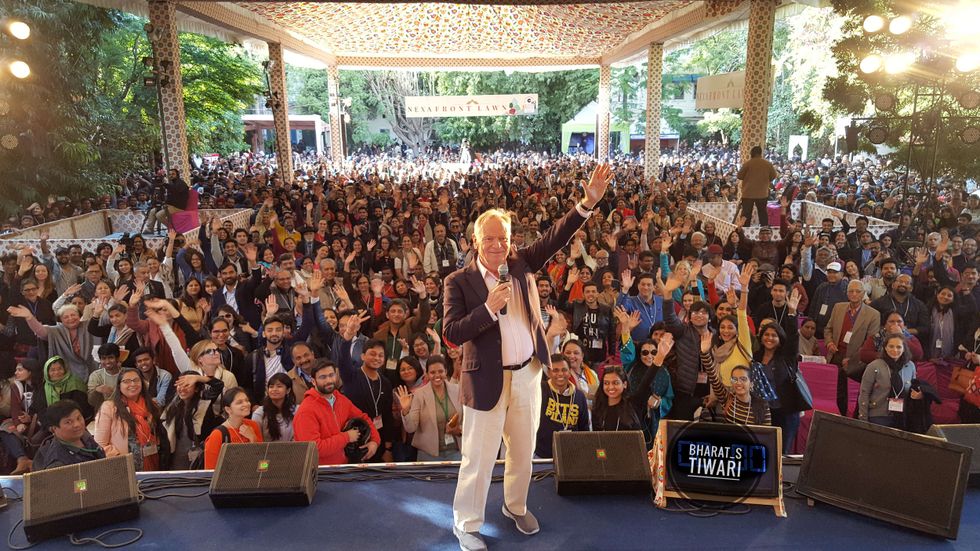 Jeffrey Archer at Jaipur Literary Festival in 2019Eastern Eye
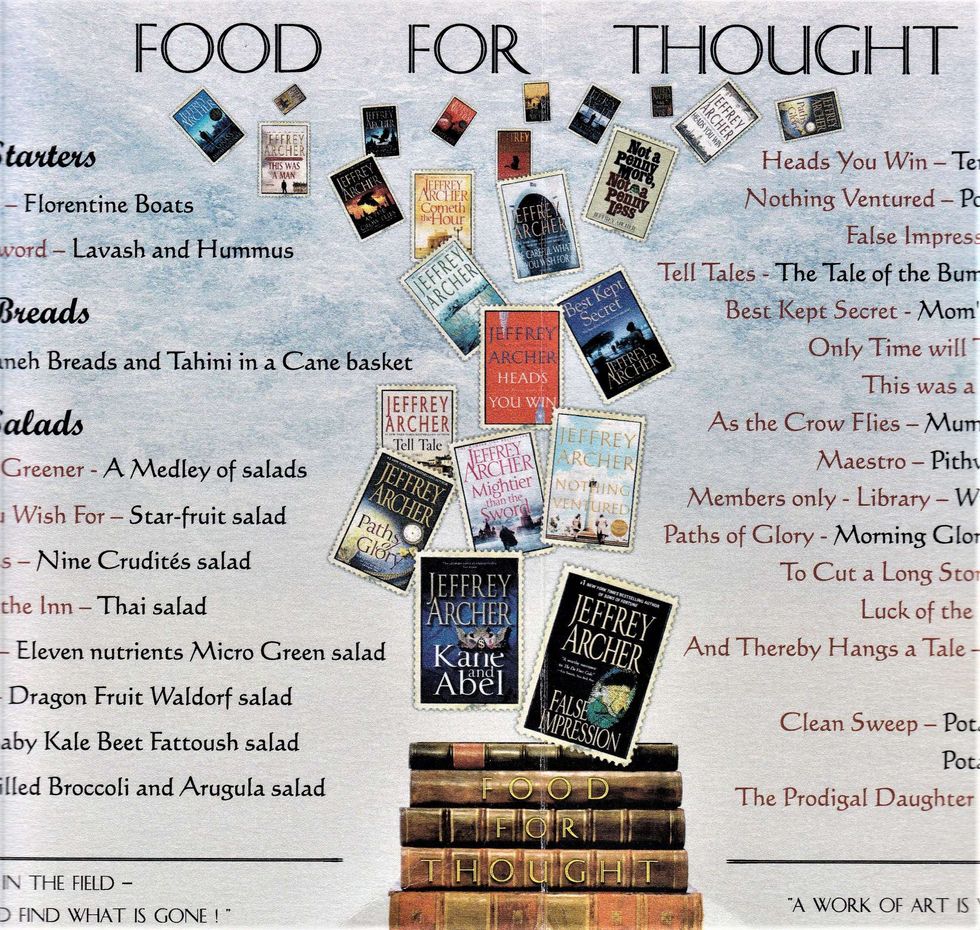 Jeffrey Archer part of the menuAmit Roy
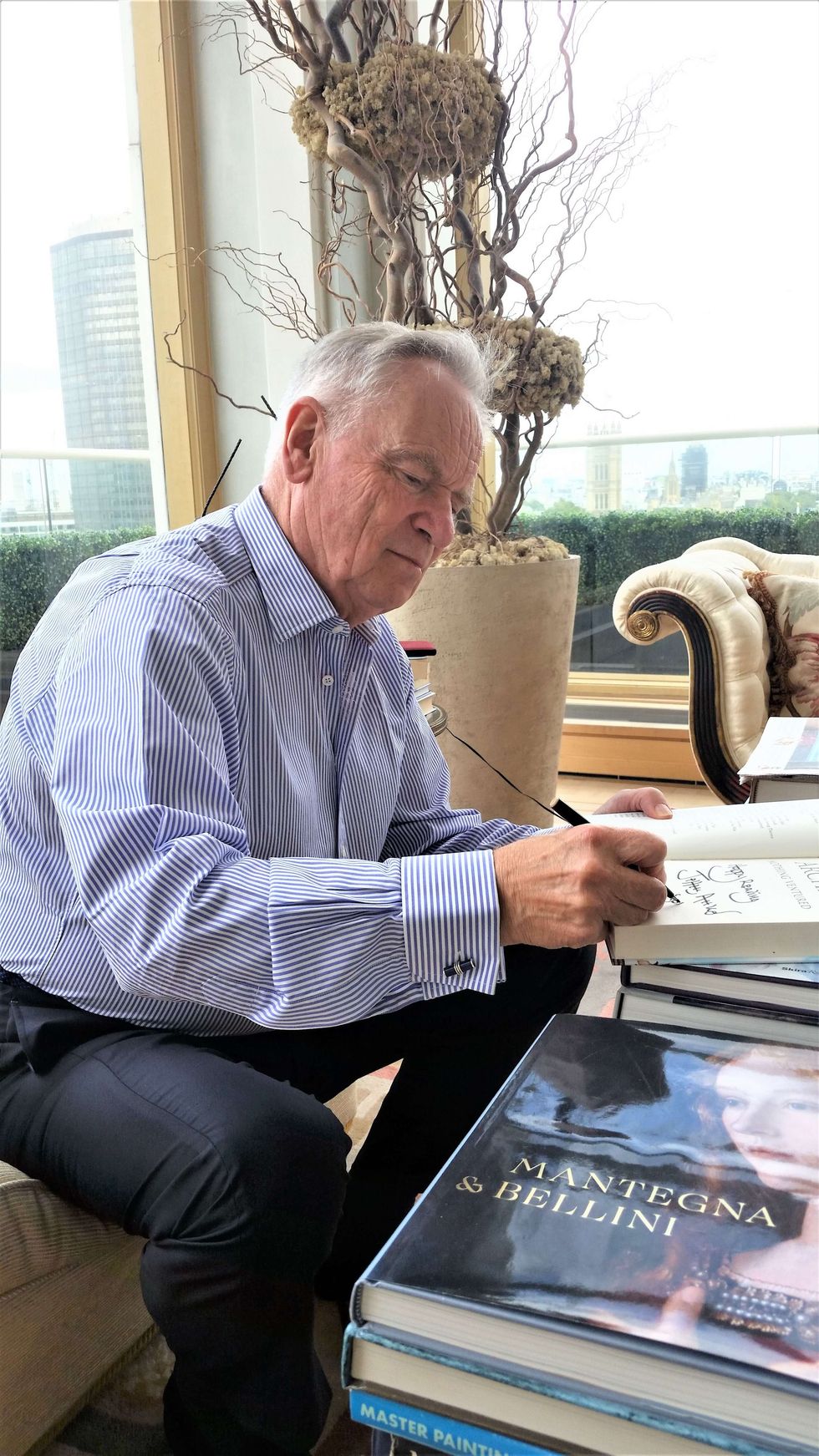 Jeffrey Archer signing a book Amit Roy
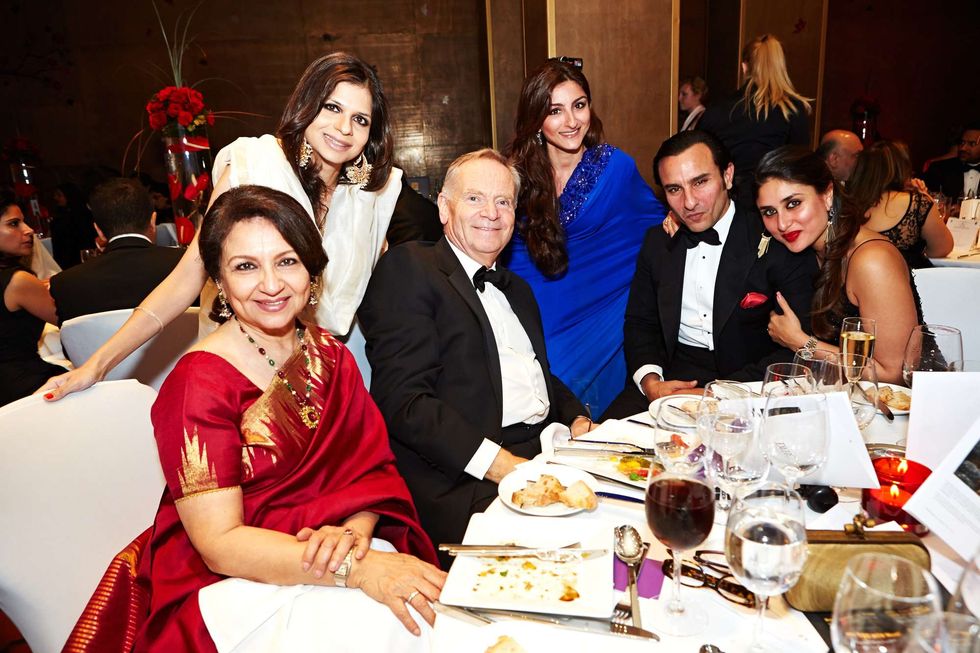 Jeffrey Archer with Sharmila Tagore and her family at an auction dinner in London in 2013Eastern Eye
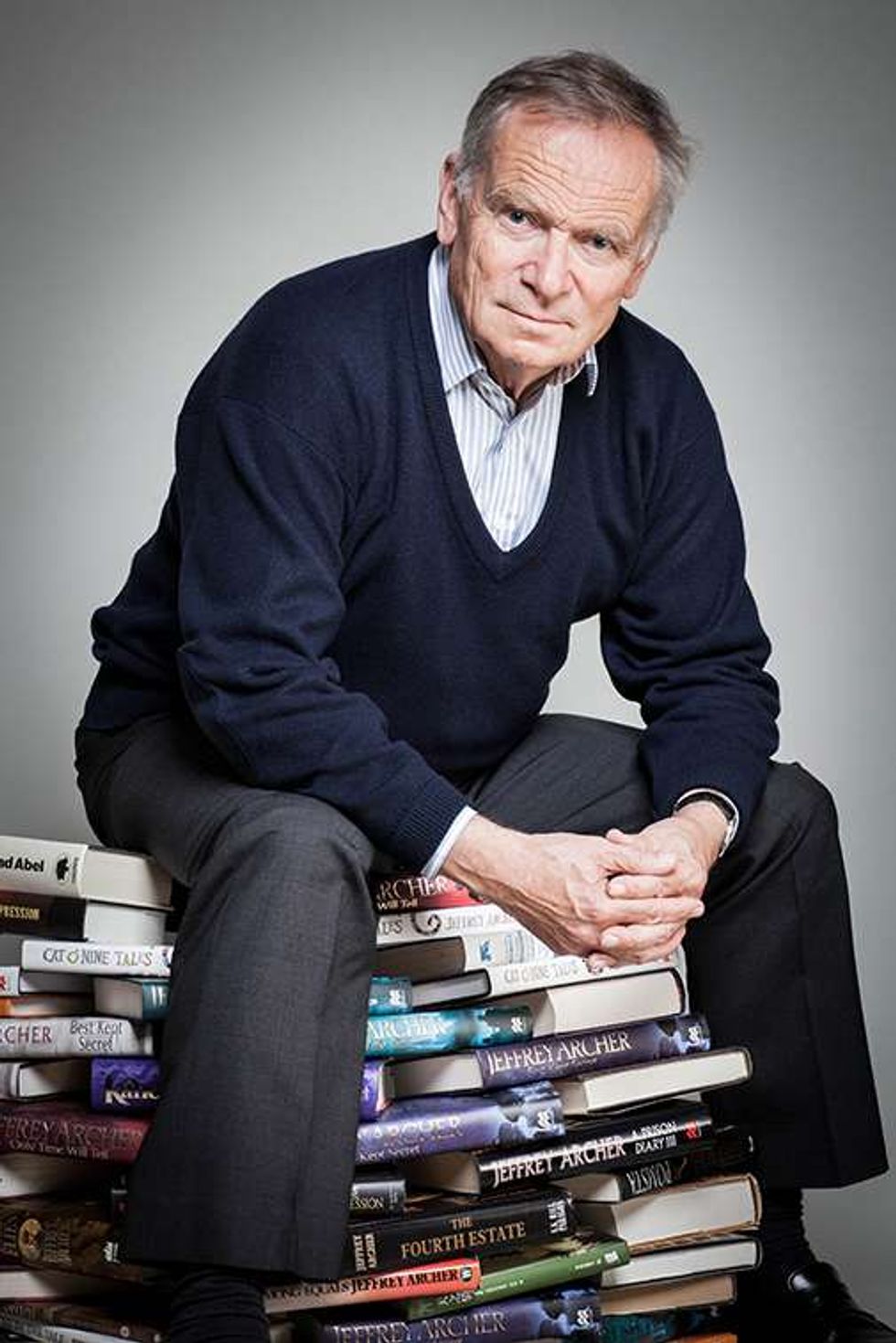 Jeffrey Archer Eastern Eye
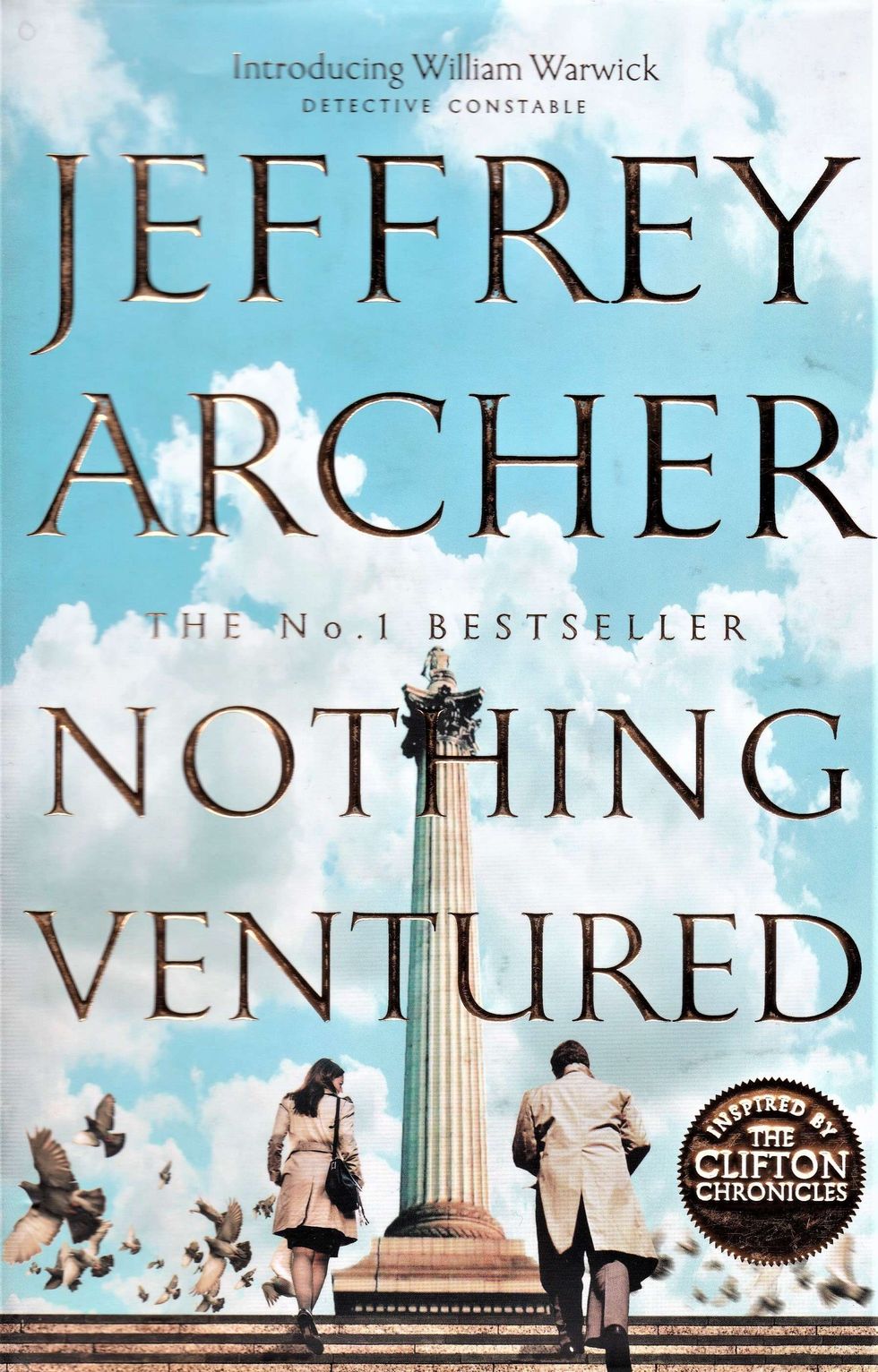 Cover of one of his booksEastern Eye