
Anniversaries can catalyse action. The government appointed the first Windrush Commissioner last week, shortly before Windrush Day, this year marking the 77th anniversary of the ship’s arrival in Britain.
The Windrush generation came to Britain believing what the law said – that they were British subjects, with equal rights in the mother country. But they were to discover a different reality – not just in the 1950s, but in this century too. It is five years since Wendy Williams proposed this external oversight in her review of the lessons of the Windrush scandal. The delay has damaged confidence in the compensation scheme. Williams’ proposal had been for a broader Migrants Commissioner role, since the change needed in Home Office culture went beyond the treatment of the Windrush generation itself.
The Windrush commissioner, the Reverend Clive Foster, a pastor in Nottingham, found himself on home turf in opening a Windrush event at Nottingham Forest’s City ground. Forest legend, Viv Anderson spoke of the racism that his pioneering generation of players faced, being pelted with apples, pears and bananas as a 19 year old, when sent by Brian Clough to warm up on the touchline at Carlisle in his first away game. The event captured the power of story-telling across the generations about past progress and today’s challenges. The 50th anniversary of Anderson becoming England’s first black full international cap, which coincides with co-hosting Euro 2028, offers a landmark moment for football to tell the story of its journey towards inclusion.
Whether Britain should become a multi-ethnic society was fiercely debated in the era of Enoch Powell, two decades after the Windrush docked. This had become a settled social and political fact by the turn of the century. Indeed, Powell himself saw mass repatriation as a time-limited agenda, impossible once half of the Commonwealth-descended population were British-born by the 1980s. The Conservatives moved on to Margaret Thatcher and Norman Tebbit’s case for integration via assimilation. David Cameron later sped up the visible ethnic diversity at the top of the party. After the Windrush scandal, it was the incumbent Conservative governments which officially recognised National Windrush Day and commissioned the National Windrush Memorial in Waterloo station. Yet, the 2020s online right is dividing over how far to re-racialise arguments about who is truly British.
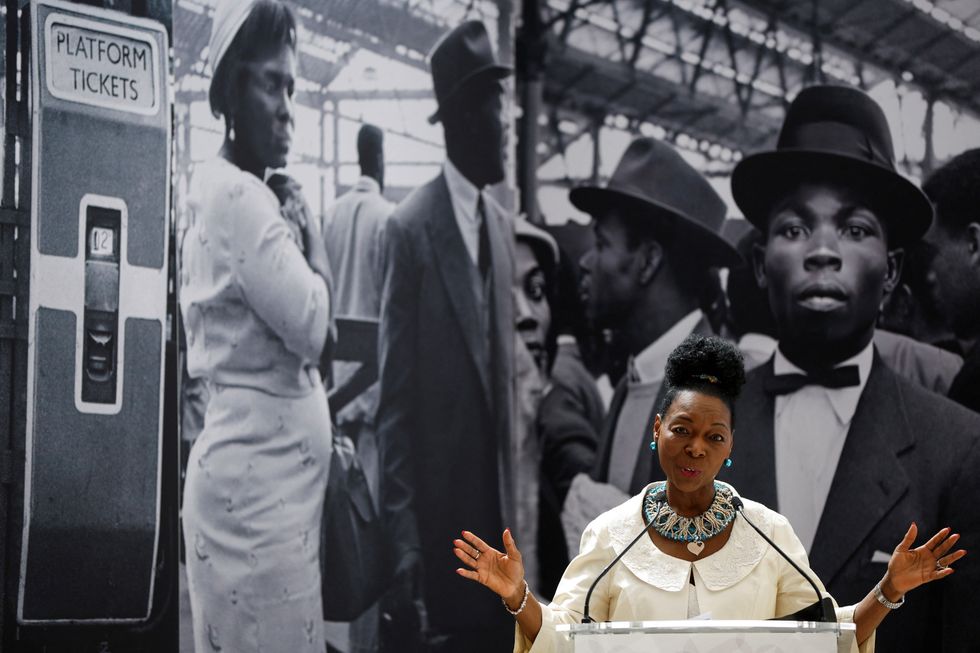 LONDON, ENGLAND - JUNE 22: Baroness Floella Benjamin speaks during the unveiling of the National Windrush Monument at Waterloo Station on June 22, 2022 in London, England. The photograph in the background is by Howard Grey. (Photo by John Sibley - WPA Pool/Getty Images)
Former Tory and Ukip MP Douglas Carswell was once the most vocal critic of anti-migration nativism among Brexit campaigners, repudiating Powell to avoid Nigel Farage putting ethnic minorities off. So how odd it is to see Carswell flip to tweeting, “Out. I don’t care how long you’ve lived here” in calling for the ‘mass deportation’ of Pakistanis from Britain. Carswell told me he now believes the ‘old demonisation’ of such arguments as racist will fail. Moving to the pro-Trump heartlands of Mississippi for his new think-tank gig has badly skewed his perceptions of how the British public think. Former Reform MP Rupert Lowe and Conservative peer David Frost are recommending accounts that promote prejudice.
Think-tanker David Goodhart last week proposed moving the capital from London to York – telling Evening Standard readers that 2030s London may have too few white people to stay as the capital city. Goodhart began arguing that Britain had become too diverse back in 2004, when the visible minority percentage was in single digits. It goes beyond an argument about the pace of change of immigration when the white British score is made the central indicator of how British a place is. That casts millions of British-born minorities as, by definition, diluting Britishness rather than having a shared stake within it.
Can this government tell a shared story of how we got here and where we are going? Or will it tend to communicate to segments of majority and minority audiences in parallel on separate occasions? Downing Street is now working at pace to deepen the government’s policy agenda. The existence of a new social cohesion taskforce may reflect how anniversaries catalyse attention. The anniversary of August’s riots will be a natural focal point for scrutiny of how far the government has been able to combine getting tough on the riots in real-time with a long-term plan to address the causes of cohesion. The third anniversary of the Leicester disorder of 2022 will also attract further scrutiny into when the delayed independent inquiry report into the local and national lessons may finally materialise.
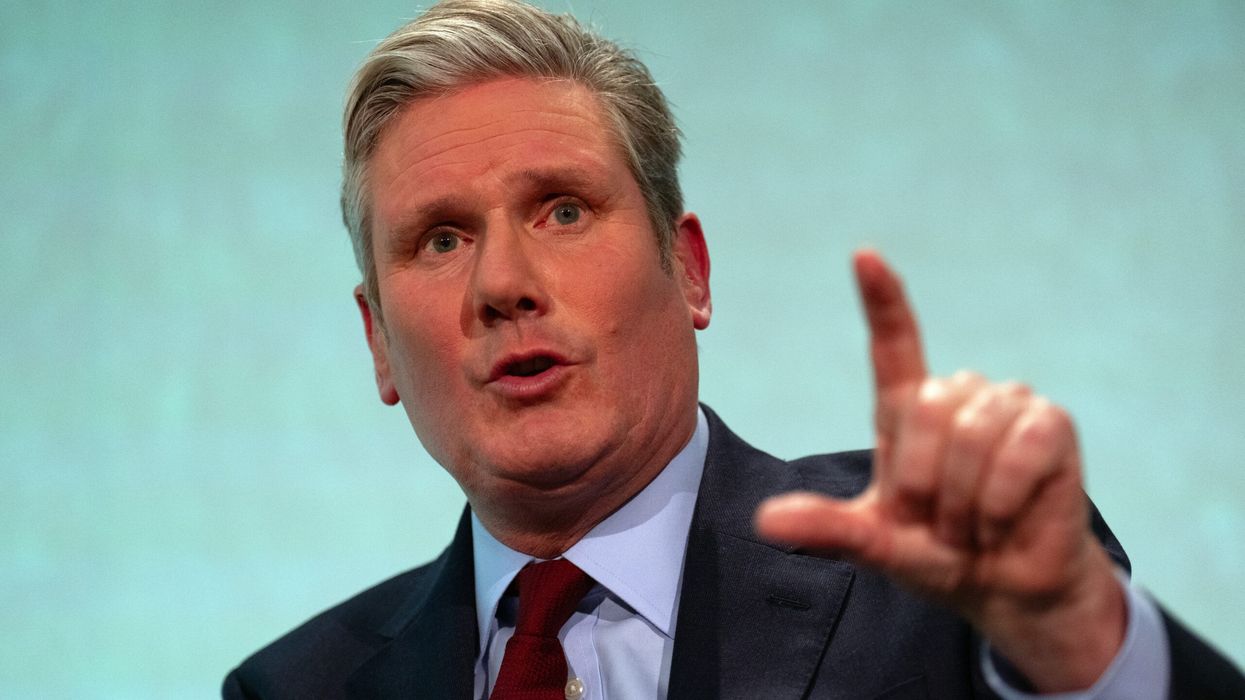
The prime minister, Sir Keir Starmer, regrets the ‘island of strangers’ controversy over his immigration white paper – so he hopes to place as much emphasis on the case for integration as his fear of the risks of its absence. One test of the government this summer is whether it can navigate the contested language of identity more confidently. What will matter most is whether action can be sustained to address the vacuum in national policy once the anniversaries that spur flurries of action go past.

Sunder Katwala is the director of thinktank British Future and the author of the book How to Be a Patriot: The must-read book on British national identity and immigration.