
Highlights
- Starmer says he takes responsibility for Labour’s local election losses
- Reform makes major gains across England as Labour and Tories lose seats
- Pressure grows within Labour over leadership after poor results in England
- Ministers back Starmer and reject calls for a leadership change
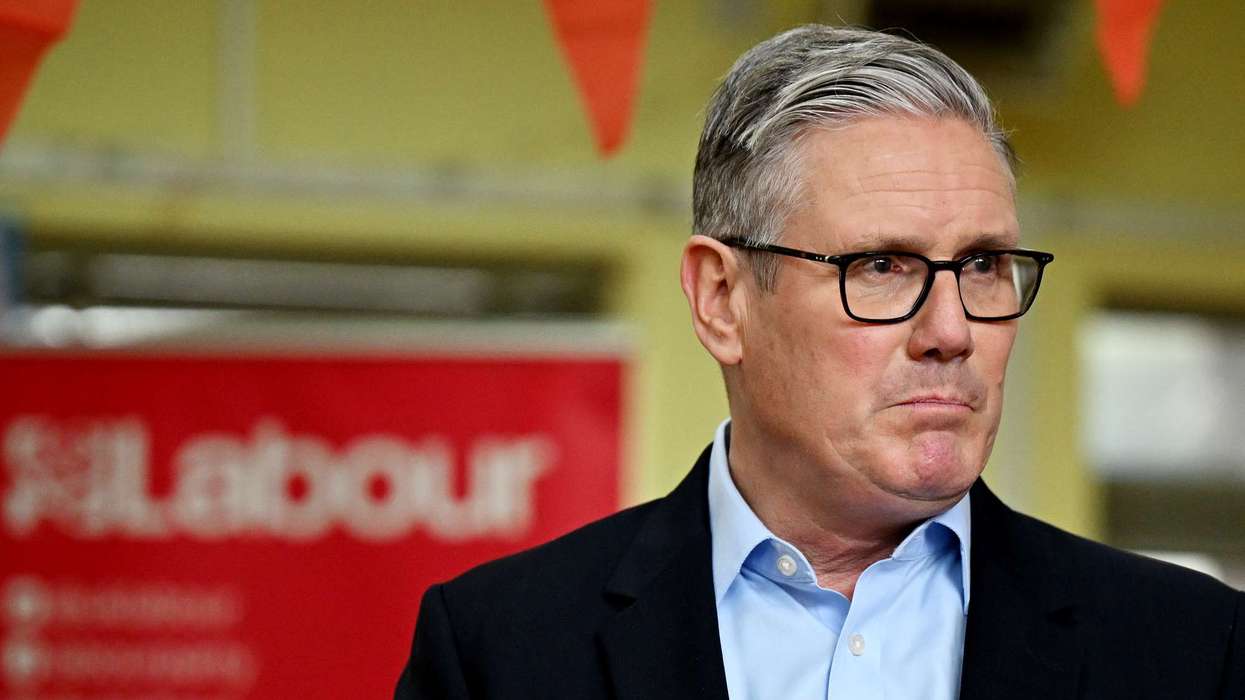
KEIR STARMER said on Friday he took responsibility for Labour’s heavy losses in local elections, but insisted he would continue as prime minister despite growing pressure within the party.
“I’m not going to walk away and plunge the country into chaos,” Starmer said after Labour lost hundreds of councillors in England.
“The results are tough, they are very tough, and there’s no sugarcoating it,” he said.
“We have lost brilliant Labour representatives across the country, these are people who put so much into their communities, so much into our party.
“And that hurts, and it should hurt, and I take responsibility,” he added.
The elections are the biggest test for Starmer since Labour defeated the Conservatives in the 2024 general election after 14 years of Tory rule.
Early results showed Labour losing support in former industrial areas in central and northern England, along with parts of London. By 8:00 am (0700 GMT), Nigel Farage’s Reform UK had gained more than 350 seats while Labour had lost more than 240 seats across 40 of the 136 English councils that had declared results.
Reform later added 335 council seats in England in early results. Labour lost 247 seats and the Conservatives were down 127 seats.
The main beneficiary of Labour’s losses was Reform, led by Brexit campaigner Nigel Farage. Farage said the results represented a “truly historic shift in British politics” and added: “We are now the most national of all the parties. We are here to stay.”
Pollster John Curtice said: “The picture has been pretty much as bad as anyone expected for Labour, or worse.”
Curtice also said the results confirmed “the fracturing of British politics”.
The local elections for 136 councils in England, along with voting for devolved parliaments in Scotland and Wales, are being seen as the biggest measure of public opinion before the next general election due in 2029.
Labour was also preparing for difficult results in Scotland and Wales later on Friday. Surveys suggested Labour could lose control of the Welsh government in Cardiff for the first time since devolution began 27 years ago.
Reform UK or Plaid Cymru were expected to emerge as the biggest party in Wales, while the Scottish National Party was expected to extend its control in Scotland.
Labour also faced losses in London as the Green Party attracted left-wing voters with a pro-Gaza message.
Some Labour lawmakers said poor performances in Scotland and Wales, along with losses in England, could increase pressure on Starmer to resign or announce a timetable for his departure.
But senior ministers defended him publicly.
Deputy prime minister David Lammy said replacing Starmer would be a mistake.
“You don’t change the pilot during the flight, you carry on... Sometimes, particularly incumbent governments, have it hard,” Lammy told BBC radio.
He admitted there was “a lot of frustration” but said “sometimes our mistakes have been heard more than our achievements”.
Defence minister John Healey also backed Starmer.
“The last thing voters wanted was the potential chaos of a leadership election,” Healey told Times Radio.
“I think he can still deliver, he can still turn it round.”
Before polling ended on Thursday night, The Times reported that energy secretary and former Labour leader Ed Miliband had privately urged Starmer to set out a timetable to step down after the elections. Miliband’s team later denied the report.
Starmer said the results would not affect his leadership.
“Days like this don’t weaken my resolve to deliver the change that I promised,” he said.
Labour suffered heavy defeats in several councils. The party lost control of Tameside council in Greater Manchester for the first time in almost 50 years after Reform won all 14 seats Labour was defending.
In nearby Wigan, Labour lost all 20 seats it was defending to Reform. In Salford, Labour held only three of the 16 seats it was defending.
Labour MP Rebecca Long-Bailey described the results as “soul-destroying”.
Analysts said the results showed Britain’s political system moving away from the traditional Labour-Conservative contest towards a more fragmented multi-party system.
The Conservatives, led by Kemi Badenoch, were also preparing for losses in several strongholds.
Curtice suggested Labour could lose around 1,500 council seats overall.
Critics have blamed Starmer’s problems on policy U-turns, changes among advisers and controversies including the appointment of Peter Mandelson as ambassador to Washington. Mandelson had earlier been removed from a government role over his links to convicted US sex offender Jeffrey Epstein.
Starmer has also faced criticism over failing to improve economic growth while many Britons continue to face a cost-of-living crisis and high energy prices.
The prime minister, a former lawyer, won the 2024 election with one of Labour’s biggest parliamentary majorities in modern British history after promising stability following years of political turmoil.
Despite speculation around possible successors including Angela Rayner, Wes Streeting and Greater Manchester mayor Andy Burnham, Labour has never successfully removed a sitting prime minister in its 125-year history.
(With inputs from agencies)
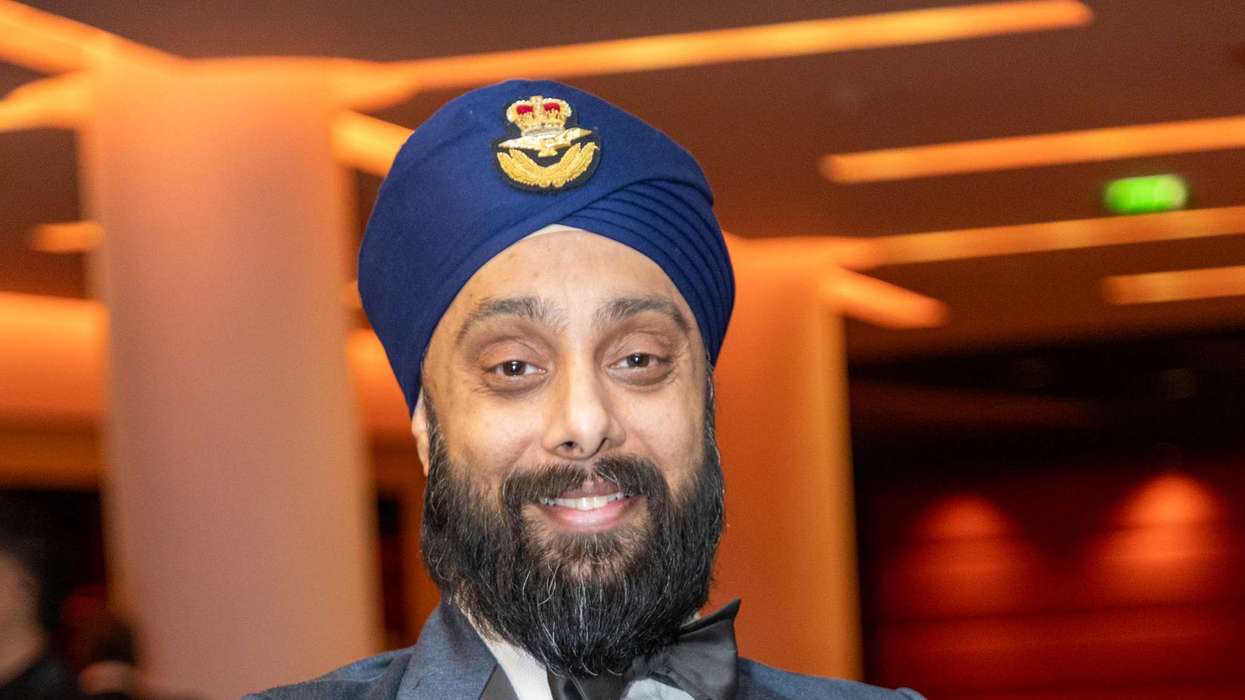
 The MBE in 2023RAF
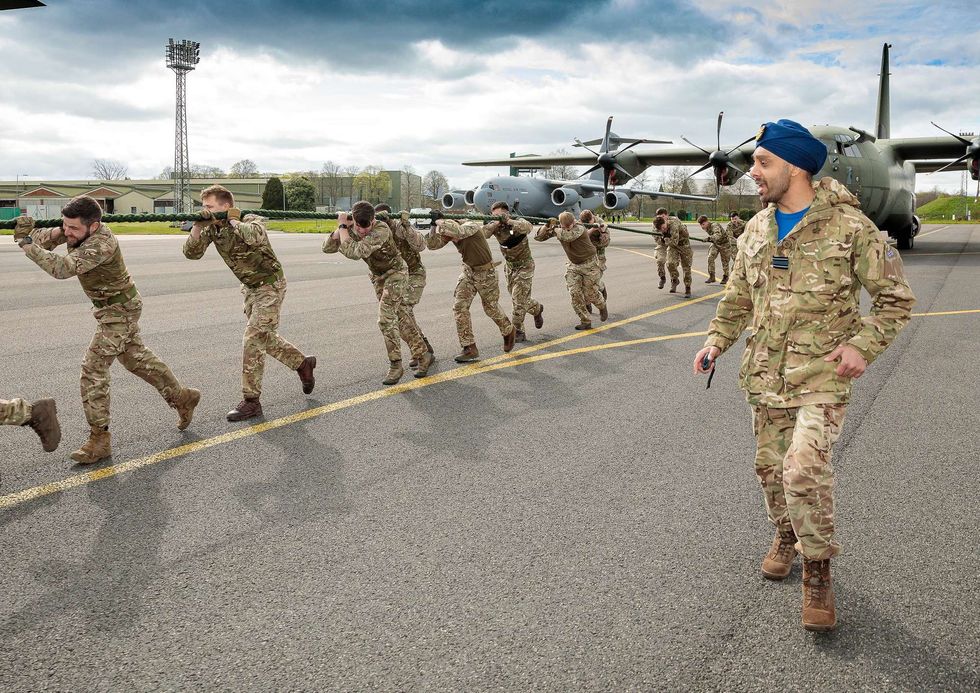 Personnel taking part in a charity C130J pullRAF
 At the Commonwealth Memorial Gates in LondonRAF
 On exercise in Jordan as part of predeployment training to AfghanistanRAF