
Highlights
- Karan Johar said Bollywood’s reliance on paid publicity is becoming “deeply upsetting”
- He argued that aggressive marketing makes it harder to judge genuine audience response
- The filmmaker clarified that his comments were about an industry trend, not specific actors
Karan Johar raises concerns over manufactured hype
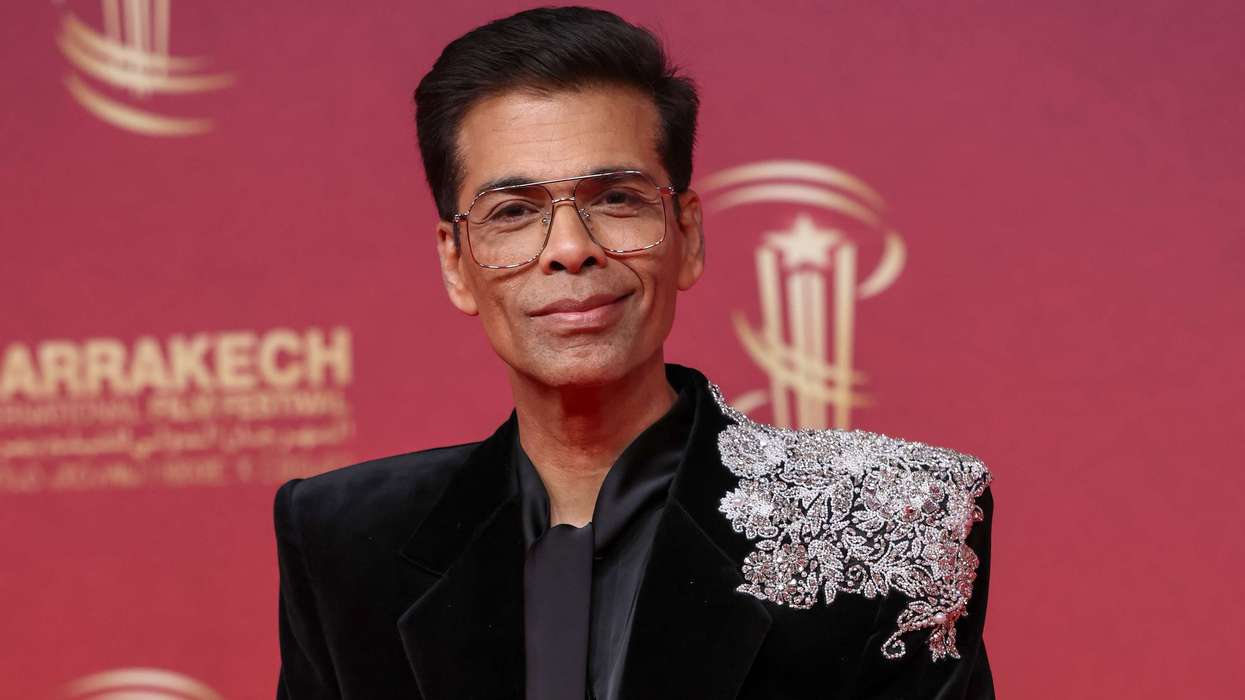
Karan Johar has said Bollywood’s growing dependence on paid publicity is creating a credibility issue, with audiences increasingly unsure what praise is genuine.
Speaking at an industry event hosted by The Week, Johar said the industry has entered “overdrive mode” when it comes to publicity and should allow actors and films to be judged by their actual work.
‘You just have to pay people to like something now’
The discussion turned to promotional tactics after an audience member referenced actors such as Janhvi Kapoor and Shanaya Kapoor and asked whether “method marketing” campaigns for films including Param Sundari and Tu Yaa Main could become more common.
Johar responded by saying the larger issue was not specific campaigns, but the widespread use of paid publicity.
“I think Bollywood should stop doing PR. It would be much better. They should let their achievements speak for themselves because, unfortunately, all PR is now paid PR,” he said. He added that public perception now feels transactional.
“If you want to say you are looking gorgeous, you just have to pay. If you want to say you are the best actor on the planet, you have to pay.”
Why audience trust is becoming harder to measure
Johar said publicity and marketing remain essential parts of the business, but argued that excessive promotion has made it harder to understand what audiences genuinely enjoy. He said people are now left questioning whether positive reactions are organic or carefully orchestrated.
He says the criticism is industry-wide
Johar clarified that his comments were not aimed at any particular actor.
“I don't mean the people you are talking about. I mean everyone in general,” he said. He added that the wider issue is trust, with audiences increasingly asking whether praise is real or paid for.
His comments tap into a broader debate about celebrity branding in Bollywood, where visibility can often dominate the conversation around talent and box office results.

 Bonnie Greer, Zawe Ashton, Gemma Cairney and guest at the "Character Breakdown" by Zawe Ashton book launch at Wild By Tart on April 03, 2019 in London, England. Photo by Joe Maher/Getty Images
 Prince Charles, Prince of Wales meets American-British playwright, novelist and critic Bonnie Greer, right, during a reception for Americans living and working in the UK, at the official residence of the U.S. Ambassador to Britain, Winfield House on March 9, 2015 in London, United Kingdom. The reception was held Monday evening ahead of Prince Charles and his wife Camilla visiting the U.S. next week. Photo by Matt Dunham - WPA Pool/Getty Images
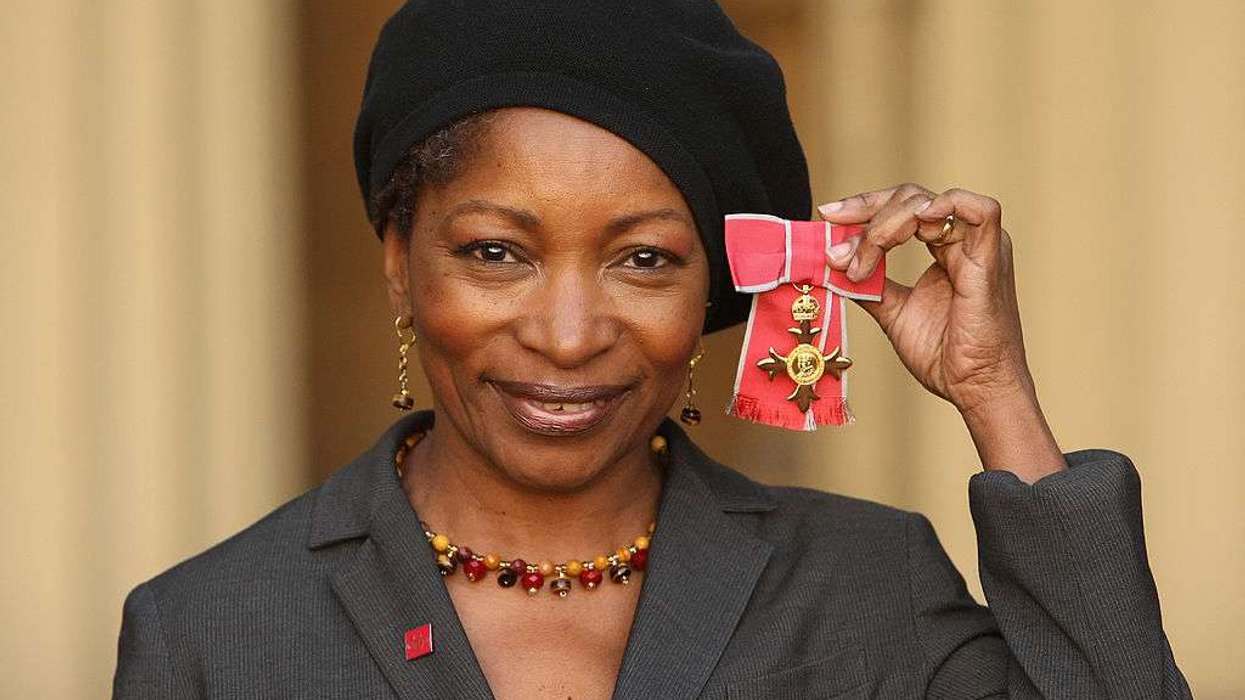
 Playwright Bonnie Greer, (C) poses with her sister Regina Greer-Smith, and brother-in-law Theron Smith, after she was awarded her Officer of the British Empire (OBE) medal from the Prince of Wales, at an investiture ceremony at Buckingham Palace, November 19, 2010 in London. Dominic Lipinski - WPA Pool/Getty Images