PRIME MINISTER Boris Johnson on Friday (2) said he saw no reason why people who received Indian-made AstraZeneca COVID-19 vaccines should be left out of vaccine passport schemes after the European Union did not initially recognise it.
About five million people in Britain are thought to have had the vaccine made by the Serum Institute of India, known as Covishield.
"I see no reason at all why the MHRA-approved vaccines should not be recognised as part of the vaccine passports and I'm very confident that that will not prove to be a problem," Johnson said at a joint news conference with Angela Merkel, referring to Britain's medicines regulator.
Millions of vaccines administered in the UK are yet to qualify for the EU’s vaccine passport scheme since they have been manufactured in India and the European Medicines Agency (EMA) has not yet authorised them, The Telegraph reported.
The situation could see several Britons getting rejected at EU border crossings once the batch numbers on their vaccines are checked digitally. The EU Digital Covid Certificate, which was launched on Thursday (1), is designed to make safe travel across the continent in times of the Covid-19 pandemic. It doesn’t recognise Covishield, the version of the AstraZeneca vaccine produced by the Serum Institute of India in Pune, Maharashtra, since it has not received approval in Europe yet.
The Department of Health has not revealed how many of the India-made vaccine doses have been administered in the UK, but the UK has seen nearly five million doses of this vaccine having been administered and they are identifiable by vaccine batch numbers (4120Z001, 4120Z002, 4120Z003) that are included on the recipients’ vaccine cards and in the Covid travel pass available via the UK’s NHS app, The Telegraph said.
India Serum Institute chief expressed confidence
Earlier this week, Serum Institute of India’s chief executive officer Adar Poonawalla said on Wednesday (30) they were confident of getting approval from the EMA for Covishield. According to him, the issue of vaccine passports should be on the basis of reciprocity between countries.“The EMA is absolutely correct in asking us to apply, which we have through AstraZeneca, our partners, a month ago, and that process has to take its time. An approval process even with UK MHRA, WHO took its time and we have applied to the EMA,” Poonawalla, who moved to London in May after allegedly facing threatening calls from powerful people in India, said.
According to The Telegraph report, there is no indication yet that the Indian-manufactured jab is substandard. The EMA has not authorised it only because the Indian makers have not yet sought a license for the product in Europe since the Indian firm manufacturing Covishield aims to predominantly supply to low- and middle-income countries.
Experts though feel that the issue is likely to be resolved if and when the EMS formally authorises Covishield jab in Europe.
The EU Digital Covid Certificate allows those who are either fully vaccinated, recently tested or recovered from Covid-19 to cross borders within the EU without having to serve quarantine or undertake extra coronavirus tests upon arrival. But only vaccines approved by the EMA are included, though individual member states are free to accept other vaccines as well. Nine European countries have given approval for Covishield amid a tussle between India and the EU over ‘green pass’ for Covid vaccines.
The vaccines approved by EMA are Pfizer-BioNTech, Moderna, Johnson & Johnson, and the version of the Oxford-AstraZeneca vaccine made in the UK or Europe, is sold under the brand name Vaxzevria.





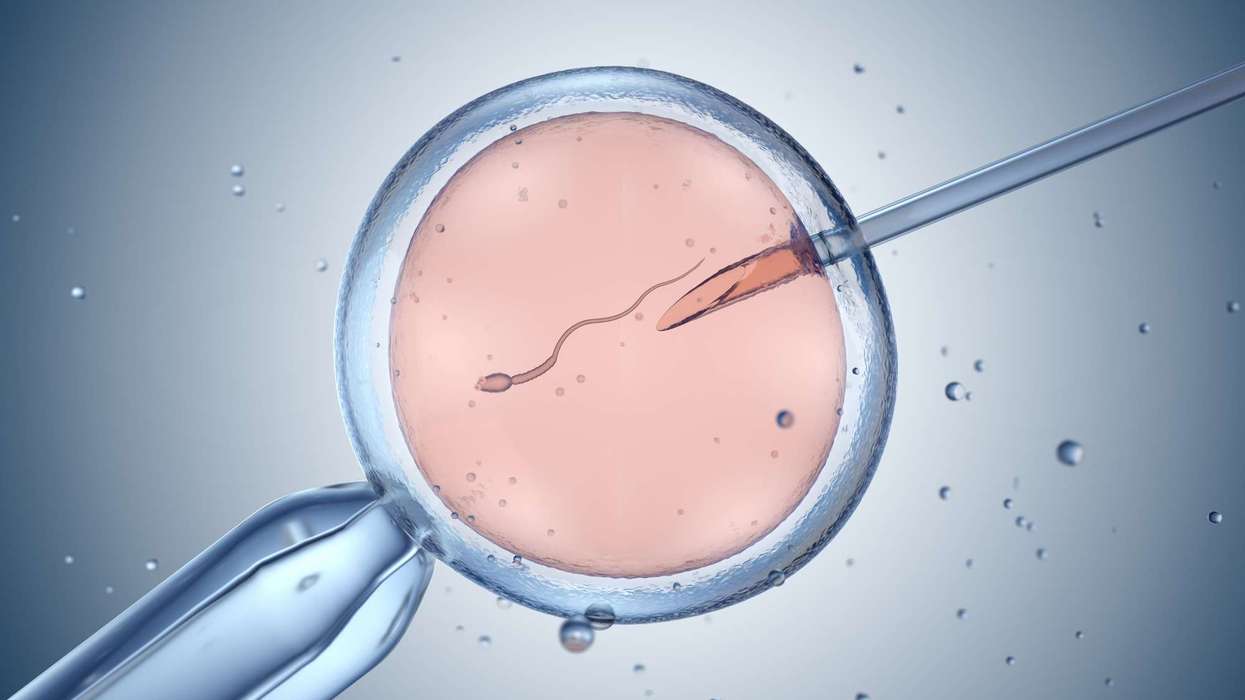
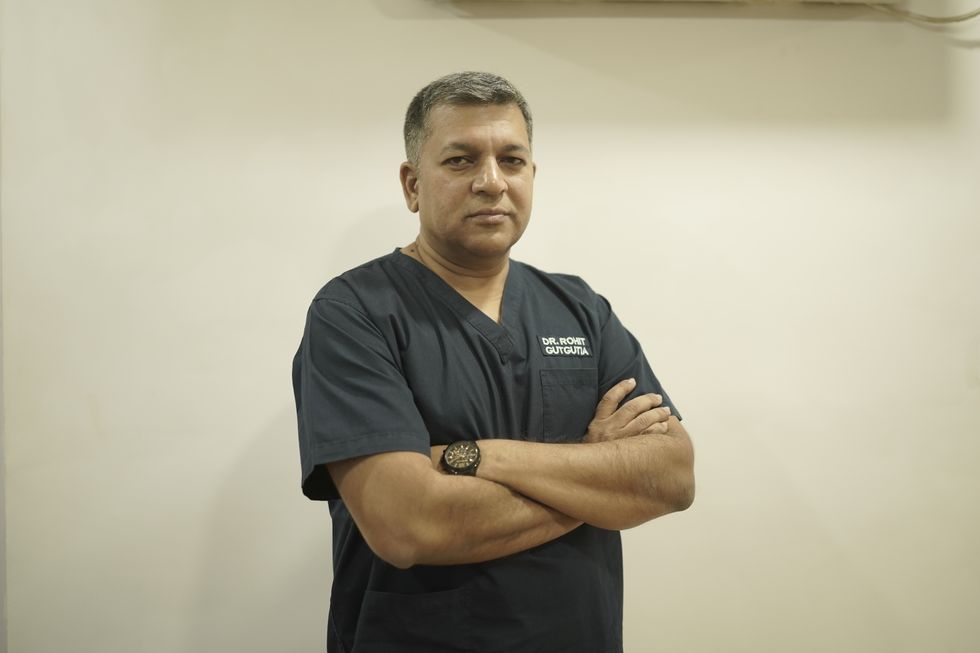 Dr Rohit Gutgutia is a fertility and IVF specialist with more than two decades of experience in reproductive medicine. He holds an MBBS and DGO in Gynaecology and Obstetrics and trained in advanced IVF in Israel in 2005.