
TWO British nationals detained in Iran have been charged with espionage, the Iranian judiciary’s Mizan news agency reported on Tuesday.
The two were accused of gathering information in different parts of the country.
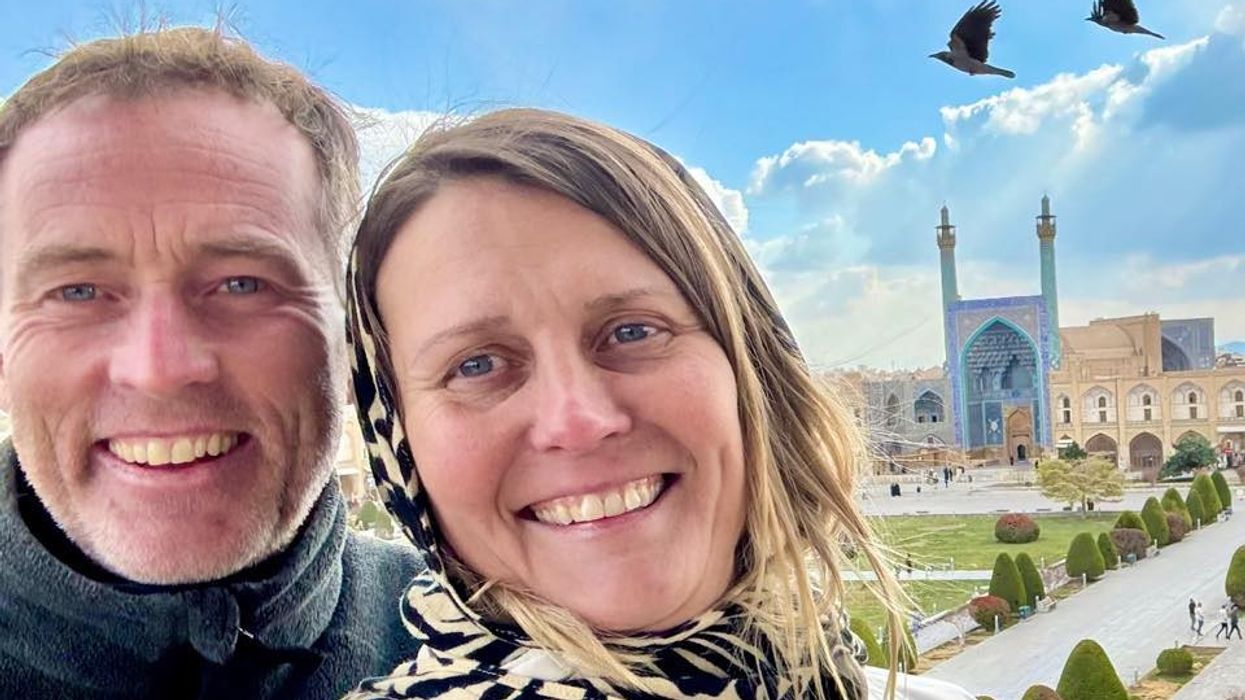
The British Foreign Office identified them as Craig and Lindsay Foreman.
Their family said on Saturday that they were in contact with the relevant authorities to ensure their well-being and safe return.
Mizan stated that the two had entered Iran as tourists and had collected information in several provinces.
The report did not provide further details. British media have reported that they are a married couple.
A judicial official cited by Mizan said the pair had links to intelligence services and that investigations into their alleged connections were ongoing.
In recent years, Iran’s Revolutionary Guards have detained several foreigners and dual nationals, mostly on espionage and security-related charges.
Human rights groups and some Western countries have accused Iran of using such arrests to gain leverage in diplomatic negotiations. Tehran has denied these claims.
(With inputs from Reuters)