Skip to content
Search

Latest Stories

Submit Guest Post

India's mobile internet use increases ninefold

Mobile internet usage in India has increased ninefold in a single year, after the launch of a new operator sparked a telecoms price war, according to a new report.

Indians used nearly 1.3 billion gigabytes of data in March 2017 compared with around 150 million in the same period last year, said the report, Internet Trends 2017, published this week by the US investment fund Kleiner Perkins.


The explosion in data use comes after the country's richest man Mukesh Ambani, shook up the telecoms market with the launch of new operator Jio in September.

The 4G telecom operator launched with an offer of free service for the rest of the year, followed by vastly cheaper data plans and free voice calls for life.

That led to a dramatic fall in the average cost of mobile internet in India, which the study said was 1.9 dollars in March compared to 4.4 dollars three years earlier.

By March this year Jio had 108 million subscriber, and was charging just 17 cents per giga of data.

Despite regulatory and technical obstacles, India's mobile internet market has huge growth potential with hundreds of millions expected to get online over the next decade using smartphones.

The country counts one billion mobile phone users, but nearly three-quarters of its population lacks access to the internet. In 2016, only 350 million Indians were able to go online.


Add EasternEye As Your Trusted Source
preferred source on google news

More For You

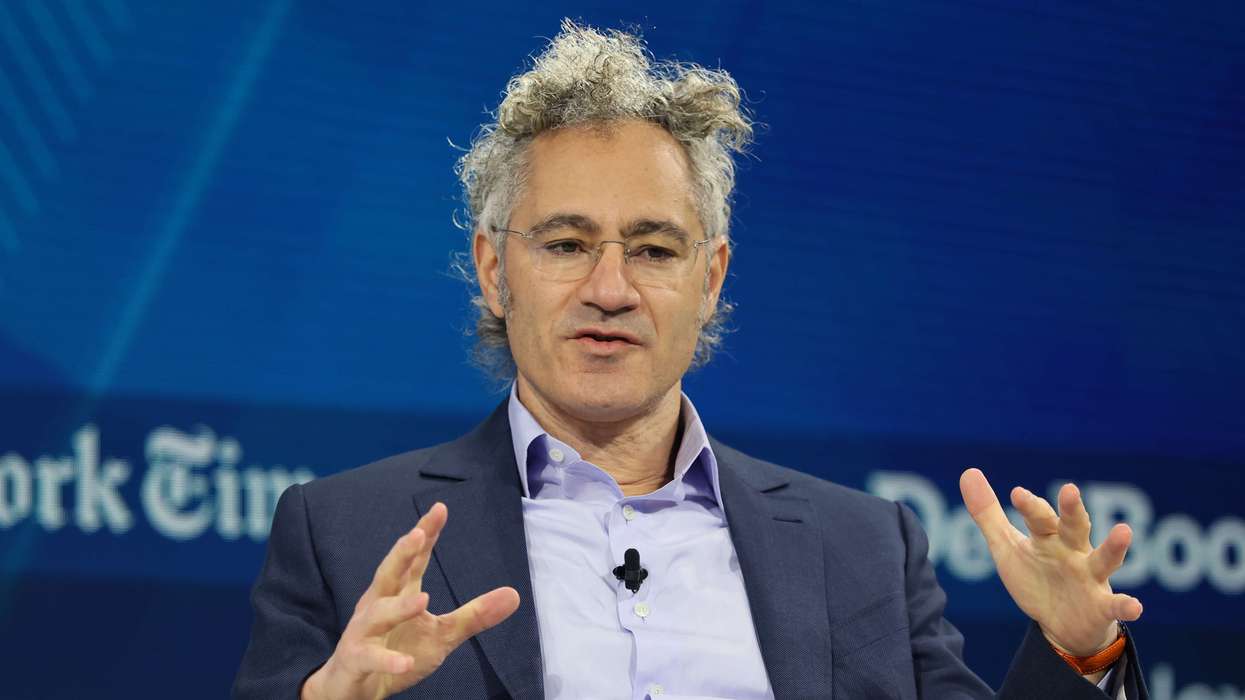
Palantir CEO Alex Karp

Alex Karp says artificial intelligence could deepen wealth inequality even as it transforms the global economy

Getty Images

Palantir CEO Alex Karp says those who'll really get rich from AI are people you wouldn't invite to dinner

  • Alex Karp believes AI will make a handful of people vastly richer while average workers see far smaller gains.
  • The Palantir CEO says the biggest winners from AI may be people most of society cannot relate to.
  • Other business leaders and AI experts have also warned that the benefits of artificial intelligence could become heavily concentrated.

Artificial intelligence may improve living standards, but it could also create one of the widest wealth gaps in modern history. That is the warning from Palantir CEO Alex Karp, who believes the biggest financial rewards from the AI boom will flow to a small group of technology insiders rather than the wider public.

Karp's comments come as the AI industry continues to attract record investment, pushing the market values of technology companies to new highs. The debate over AI wealth inequality has also intensified, with business leaders and researchers questioning who will ultimately benefit from the technology's rapid growth.

Keep ReadingShow less