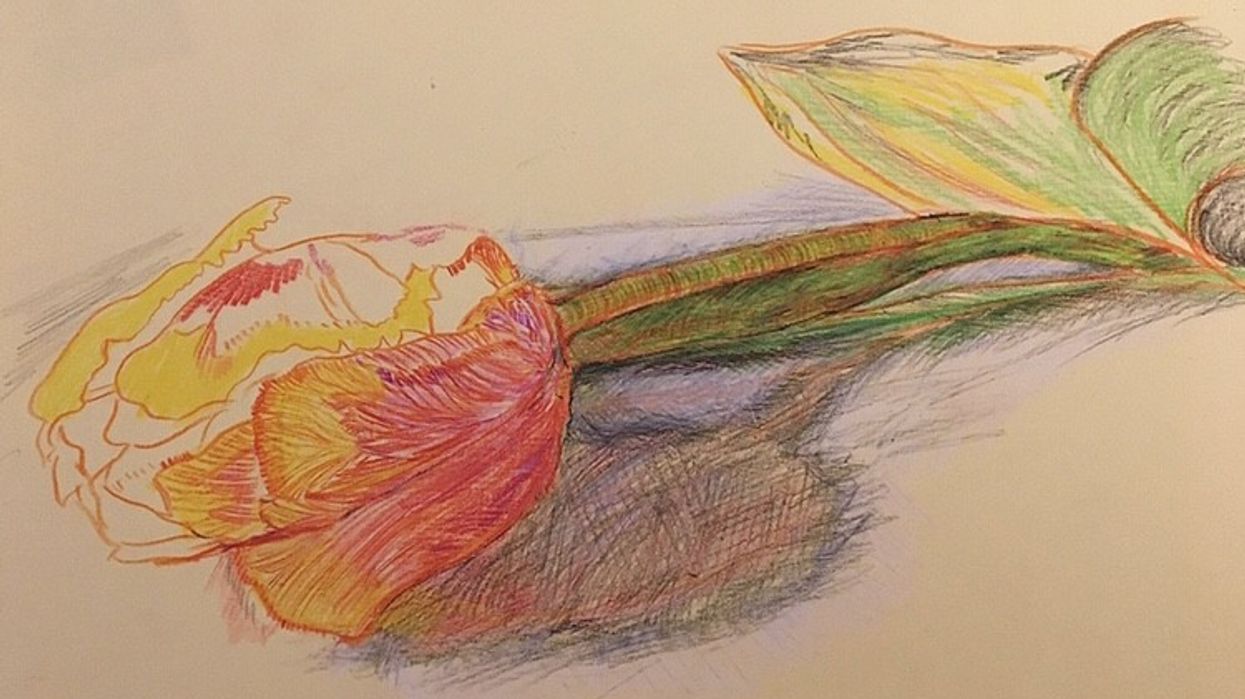

THE High Commission of India in UK has conducted an activity to introduce and promote Khadi through the students of textile designing in collaboration with Khadi London and Chelsea College of Arts.
It was held in connection with the celebration of 150th birth anniversary of Mahatma Gandhi.
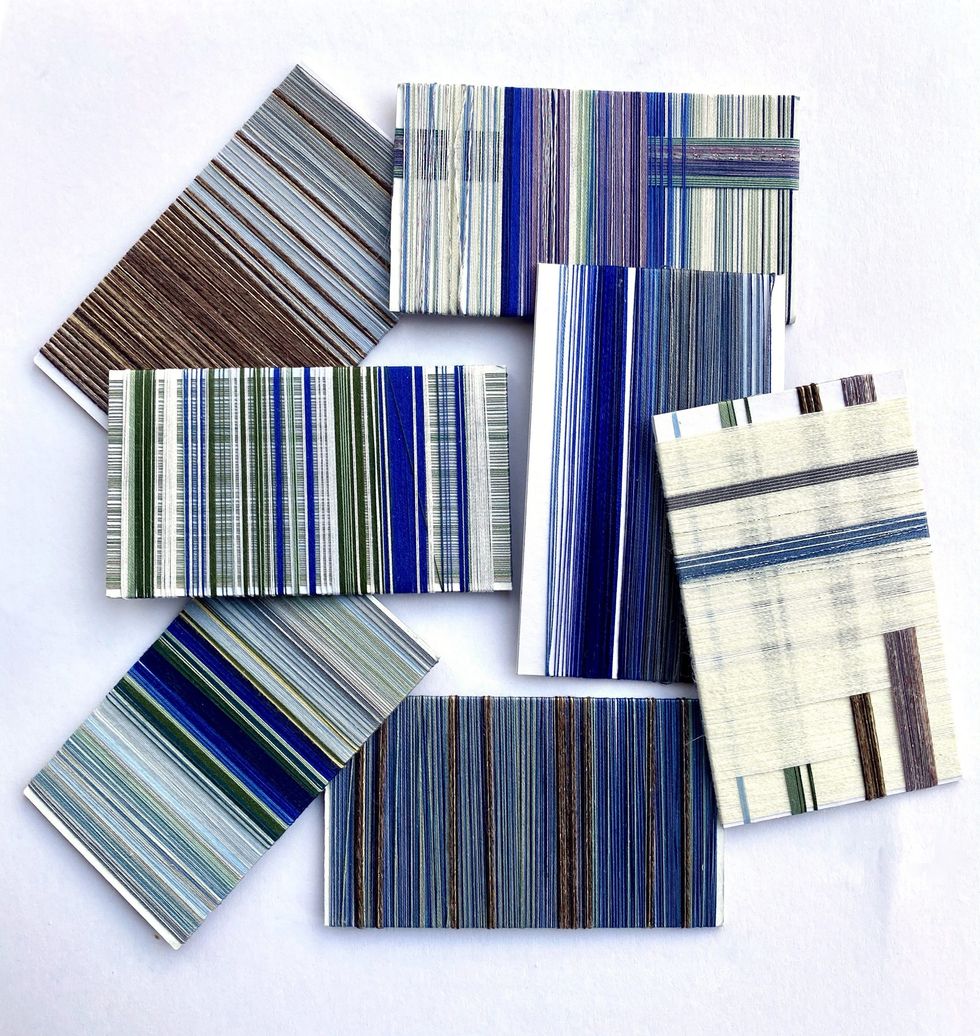 Caitlin Hartmann windings
Caitlin Hartmann, Morgan Martin, Misha Nikkah and Sarah Tibbles were emerged as winners of the competition, the High Commission said in a statement. They will collaborate with partners in India on the development of their designs, it added.
As part of the activity, final year students of BA (Hons) Textile Design at Chelsea College of Arts (UAL) were asked to explore new markets and products for Khadi.
The project was initially briefed to students in February 2020. But the competition got delayed due to national lockdown in UK.
The students were then re-briefed at the end of October 2020 as Covid restrictions were relaxed, a statement said.
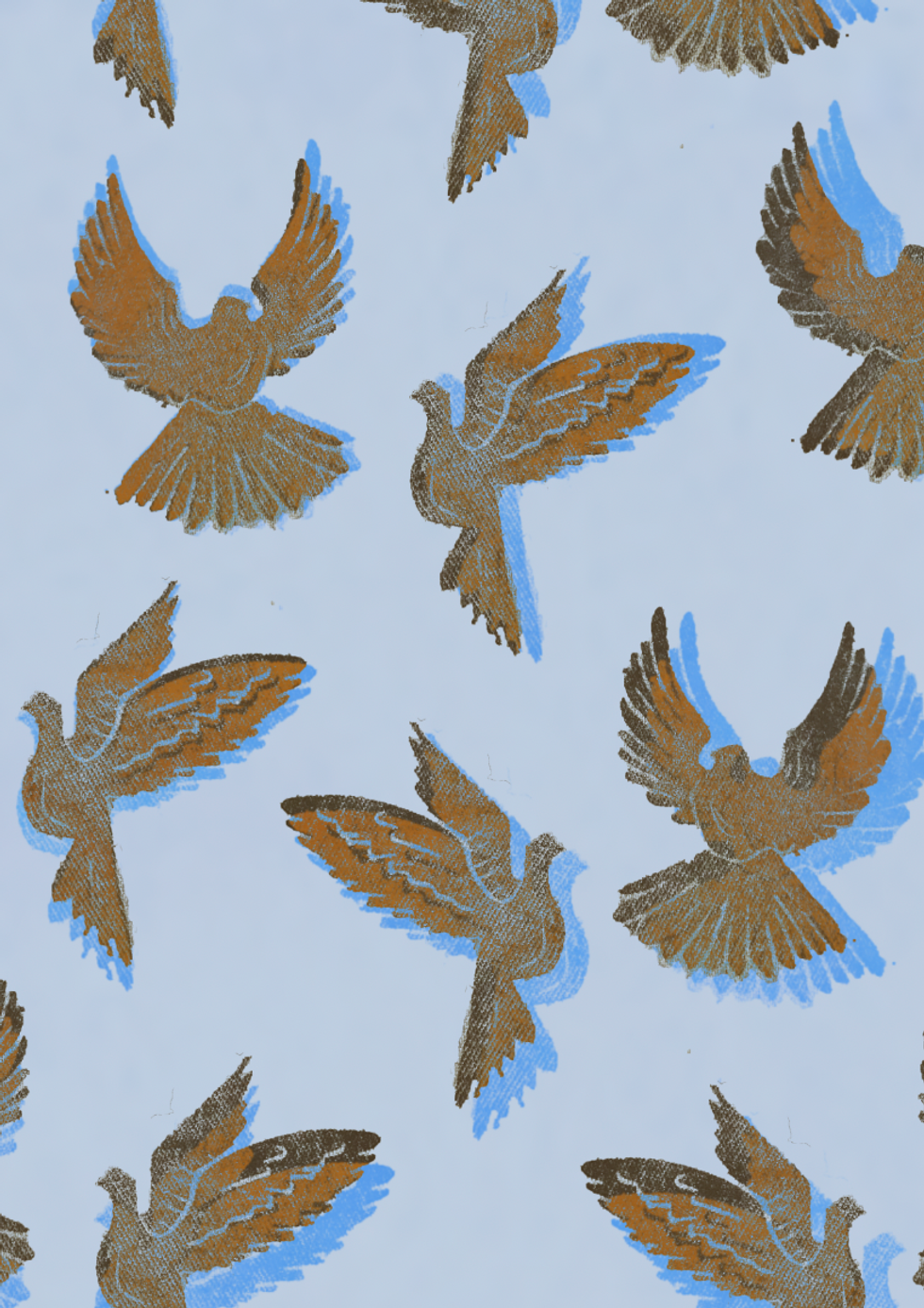 Morgan Martin's desiign
“This project feels like the beginning of something much bigger. It is part of a rediscovery of Indian handmade fabrics by the western world as fabrics with a meaning, with texture and aesthetics as a bonus," said Kishore Shah, co-founder and director, Khadi London
"Khadi with its inherent idea of localised production where farmers, graziers and artisans collaborate and where crafts and technology work together can provide a pathway for fashion and textiles fit for the twenty first century. I wouldn’t be surprised if Khadi becomes an integral part of fashion and textile syllabus in the very near future.”
Lisa Bloomer, senior lecturer, BA Textile Design, Chelsea College of Arts, said: “This wonderful project has gone through a number of iterations in difficult times and has been able to go ahead thanks to the energy and commitment of all involved, particularly Kishore Shah at Khadi London and partners in India.
'This a unique opportunity for our BA Textile Design students to collaborate with expert artisans and promote khadi to the wider community. Virtual meetings between students and partners in India have already begun and we are really looking forward to seeing the new designs.”
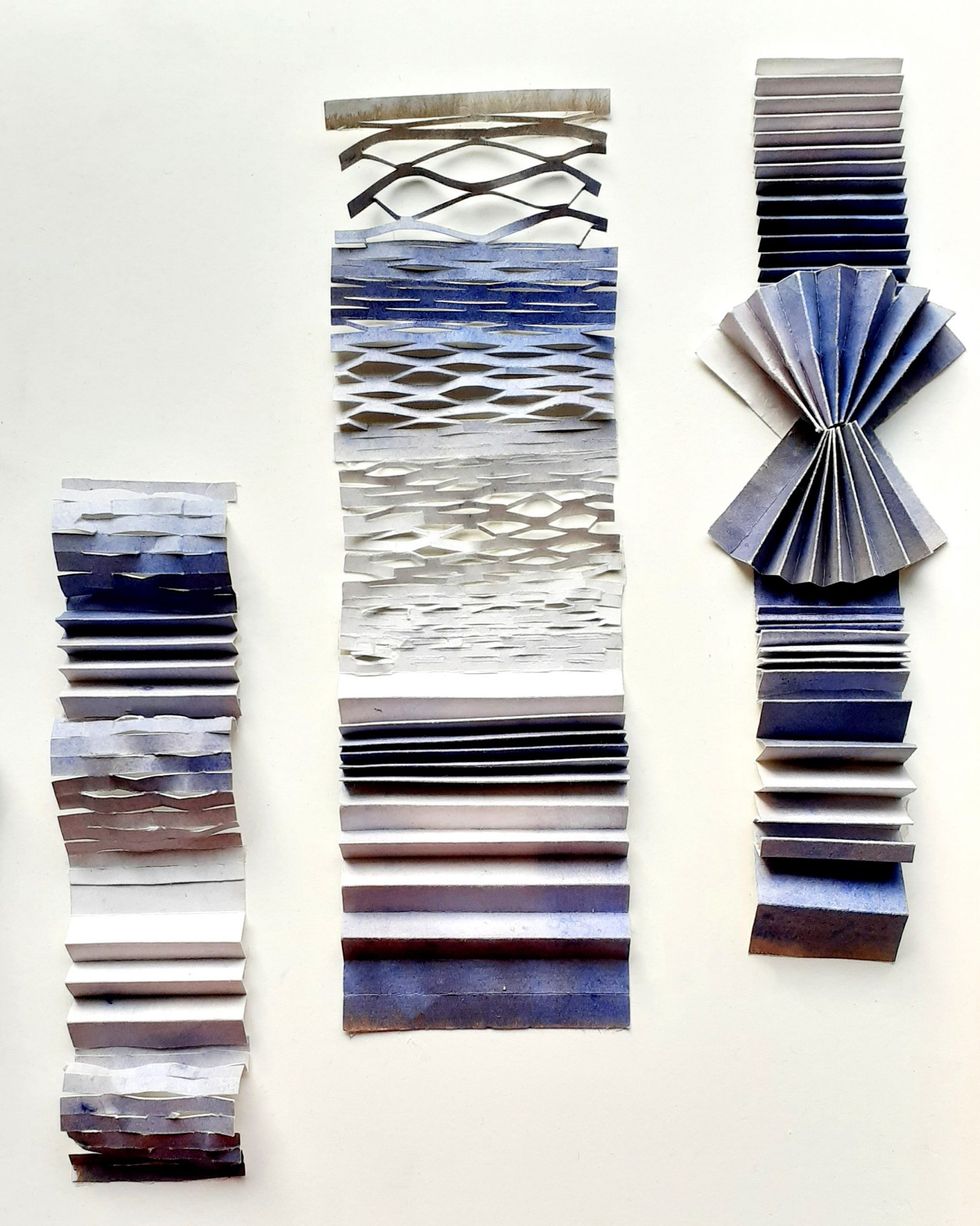 Sarah Tibbles' work