
Hundreds of transgender entrepreneurs from across India displayed their skills at an annual Mumbai fair aimed at empowering the disadvantaged community and challenging derogatory stereotypes.
"Hijras", as they are known locally, face severe discrimination in conservative India despite being legally recognised as a third gender.
They are often banished to the margins of society and forced to beg or engage in prostitution, and are regularly lampooned in Indian movies.
At the "Trans and Hijra Empowerment Mela (fair) 2018", held in the financial capital this month, around 250 transgender businesses set up shop to confront the stereotype.
"In rural areas of India people think transgenders are good-for-nothing. They think we only earn by begging or dancing and don't have any other work," participant Katha Sarkar said.
Clothes, including saris and shawls, as well as jewellery boxes made out of bamboo were among the items on sale across some 50 stalls.
Bobby Mudhuk, whose company sells handloom items such as scarves and bedsheets, travelled from West Bengal state to Mumbai for the fair.
"About two years ago when we started our business journey we used to go door-to-door to sell our goods but people used to shoo us away," she said.
"Now people are coming and happily meeting us and buying from us. Some of them are placing orders. We are sending our parcels to people's homes. A lot of positive change has come," Mudhuk added.
Around 1,000 people attended the event -- which also featured food stalls, makeup artists and live music -- on Sunday April 1.
"We started the mela in 2016 and this is our third year. We have had a very amazing response. We have participation from 15 states," said Krupali Bidaye, one of the organisers.



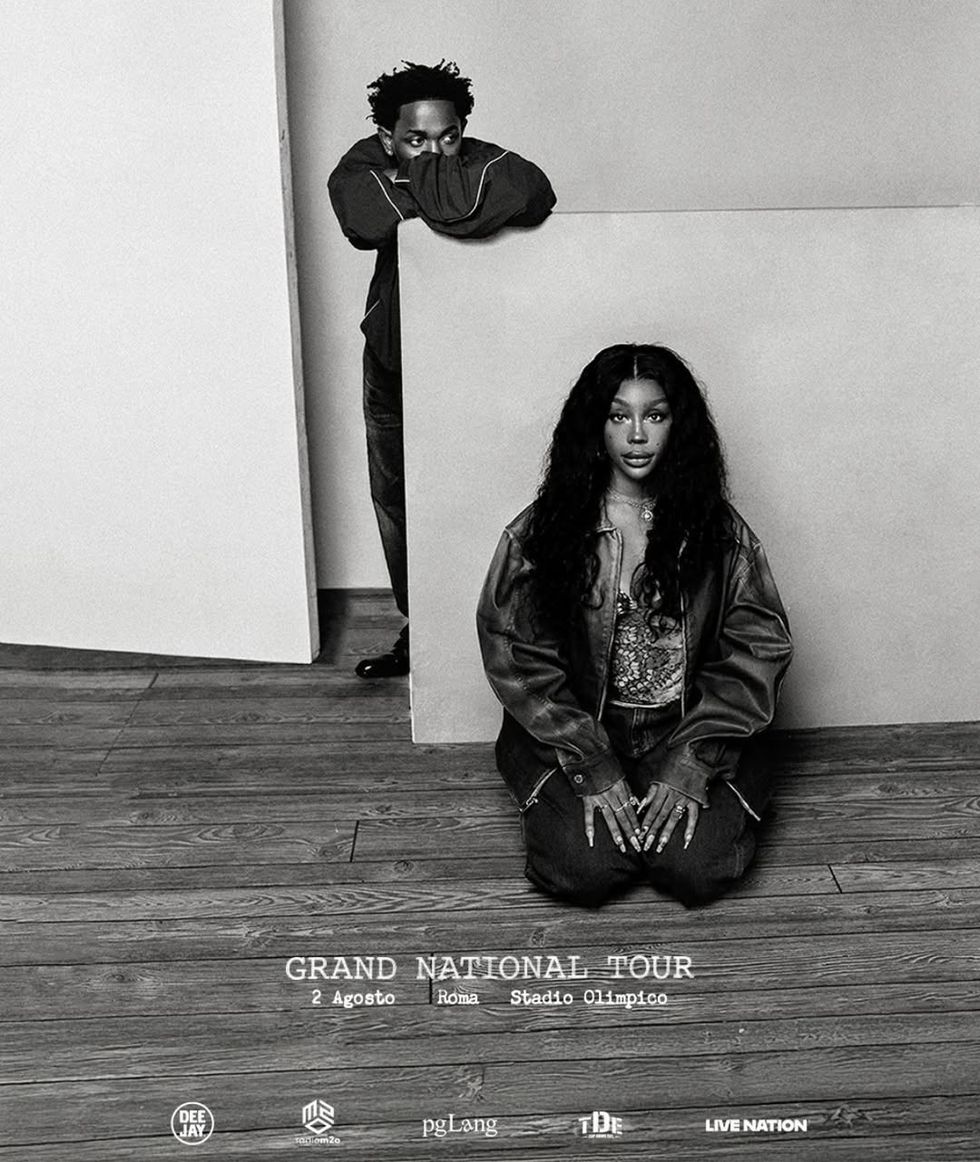 Kendrick Lamar and SZA commands the stage at Villa Park during his explosive opening setInstagram/






 Kap’s Cafe in Surrey was struck by gunfire late at night with staff still insideInstagram/
 Kaps Cafe Instagram Story Instagram Screengrab/
 Kaps Cafe Instagram Story Instagram Screengrab/