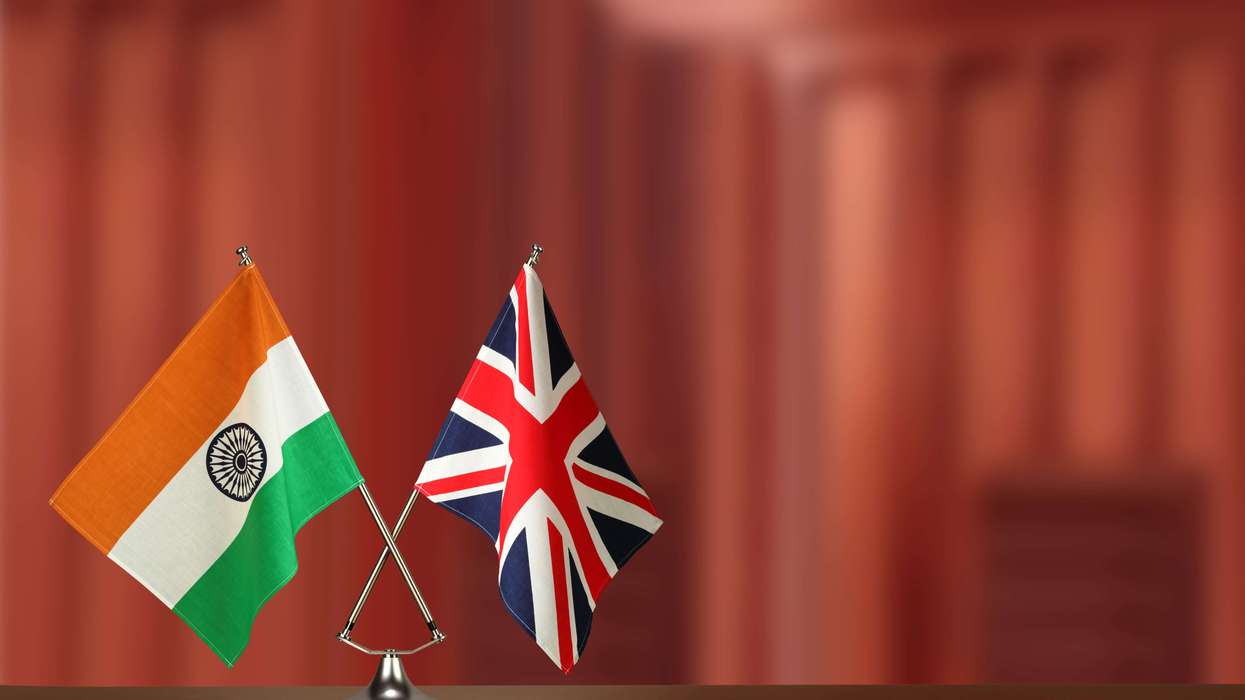

- India has notified customs rules for the India-UK Free Trade Agreement, clearing the way for its implementation on July 15.
- The agreement will eliminate or reduce tariffs on most goods traded between the two countries, benefiting exporters and businesses.
- The deal is expected to increase annual bilateral trade by £25.5 billion in the long term.
The India-UK Free Trade Agreement (FTA) has taken another step towards implementation after India notified the customs rules that will determine whether goods qualify for preferential tariff treatment under the landmark deal. The new rules, issued by the Central Board of Indirect Taxes and Customs, will come into force on July 15, the same day the trade agreement becomes operational.
The notification outlines how the country of origin of goods will be determined under the India-UK Comprehensive Economic and Trade Agreement (CETA), a key requirement for exporters seeking lower or zero customs duties. Only products that meet the agreed origin criteria will be eligible for the tariff concessions offered under the agreement.
Who gets the tariff benefits?
Under the new rules, goods will qualify for preferential treatment if they are wholly obtained or produced in India or the UK, produced entirely from originating materials, or manufactured using non-originating materials that satisfy the agreement's origin requirements.
The notification also sets out the documents importers must provide to claim lower tariffs.
For importers in the UK, proof of origin can take the form of an origin declaration completed by the exporter or producer, a certificate of origin issued by an authorised body, or evidence demonstrating that the goods qualify under the agreement.
For imports into India, an origin declaration completed by the exporter or producer will be required. Origin declarations and certificates of origin will remain valid for 12 months from the date of issue.
Signed on July 24, 2025, the India-UK trade agreement is expected to significantly reduce trade barriers between the two countries.
Under the agreement, the UK will liberalise tariffs on 99 per cent of Indian exports, while India will remove or reduce tariffs on 90 per cent of its tariff lines for UK goods. Around 64 per cent of UK products will become duty-free immediately, covering approximately £1.9 billion of current exports. Over time, the share of UK products entering India duty-free is expected to rise to 85 per cent.
According to UK government estimates, the agreement could increase annual bilateral trade by £25.5 billion in the long run. It is also projected to boost India's economy by £5.1 billion and the UK's by £4.8 billion, while strengthening supply chains, supporting jobs and improving market access for businesses in both countries.
The agreement also includes the India-UK Double Contributions Convention (DCC), which will take effect alongside the trade deal on July 15. Under the arrangement, Indian and British professionals working temporarily in the other country can continue paying social security contributions only in their home country for up to 60 months, an increase from the previous 36-month limit. The provision applies to highly skilled professionals on existing visa routes and is intended to prevent double social security payments.
The UK government has said businesses on both sides will also benefit from streamlined customs procedures, stronger support for digital trade and more predictable trading rules, measures expected to be particularly helpful for small and medium-sized enterprises.