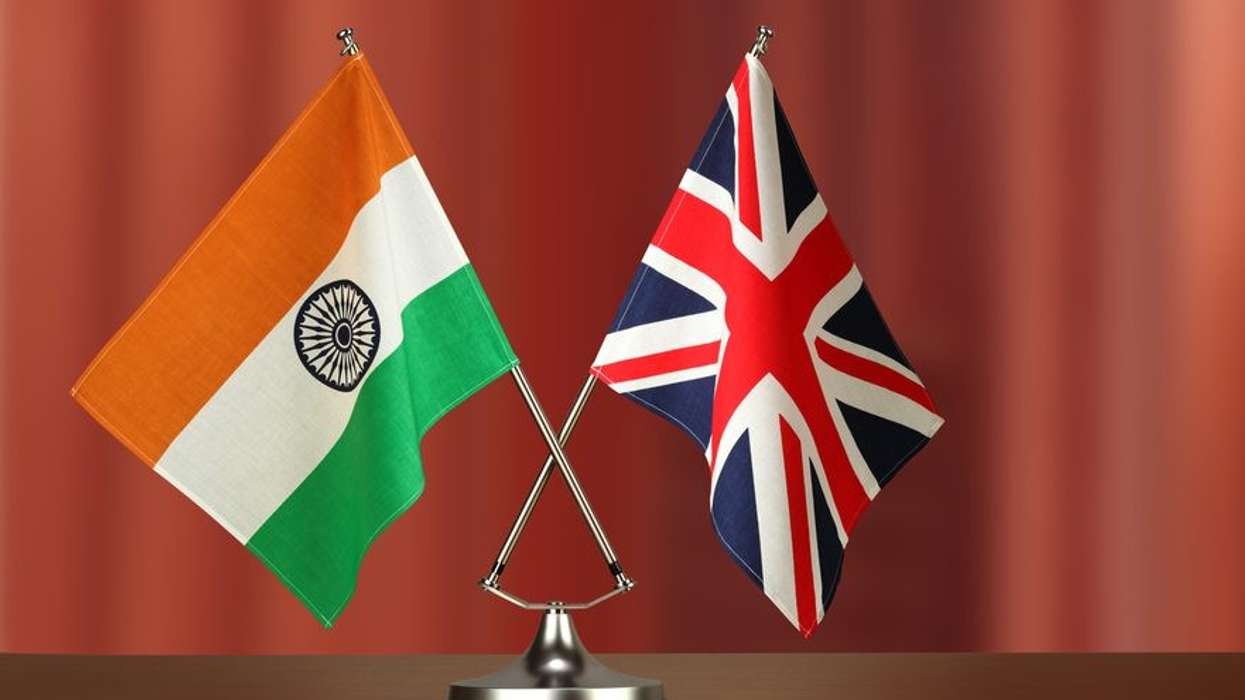

INDIA and the UK are working on a “unique and creative solution” to address issues linked to Britain’s recent steel safeguard measure, which is delaying the operationalisation of the Comprehensive Economic and Trade Agreement (CETA).
The two countries signed the pact on July 24, 2025. Under the agreement, 99 per cent of Indian exports will enter the UK duty-free, while India will reduce tariffs on British products including cars and whisky.
“We are very near to operationalising that. There are a few sticking points, as you are aware, the UK has come ahead with a steel measure recently, which was not factored in while negotiating the India-UK deal.
“We are working together to find a unique, creative solution around the steel measure so that we can officialise the India-UK CETA at an early date,” India’s commerce secretary Rajesh Agrawal told reporters.
From July 1, 2026, the UK will limit tariff-free steel imports, cutting overall quota volumes by 60 per cent compared to the earlier steel safeguard measure. Imports above those levels will face a 50 per cent tariff.
The measure will apply to imports of steel products that can also be produced in the UK.
Britain had earlier safeguard measures that imposed import quotas. The new measures reduce those quotas.
India’s exports of iron and steel and related products to the UK stood at USD 893.4 million in 2025-26. These exports account for a significant share of the USD 13.4 billion in total merchandise exports to the UK.
The CETA has already been vetted by both houses of the UK Parliament in March. In India, trade agreements require approval from the Union Cabinet.
Both countries now need to agree on a date for the Entry into Force (EIF) of the agreement.
India and the UK are looking to double bilateral trade from the current USD 56 billion by 2030.
Think tank GTRI said the UK’s decision to cut tariff-free steel import quotas by 60 per cent from July 1, 2026, could become a sticking point for the India-UK Free Trade Agreement.
“London is effectively following the EU’s protectionist steel model by combining safeguard restrictions with carbon-linked border taxes,” it said, adding that India already faces a difficult trade environment in the EU steel market.
GTRI founder Ajay Srivastava said the UK is now moving in the same direction through tighter quotas, safeguard measures and its own CBAM-style framework.
“Such policies significantly reduce the real commercial value of FTAs. UK may, however, press India to extend the same terms it agreed with the EU,” he added.