
INDIA on Wednesday withdrew its order asking smartphone makers to preload a government cybersecurity app after criticism from opposition leaders, privacy groups and global phone companies.
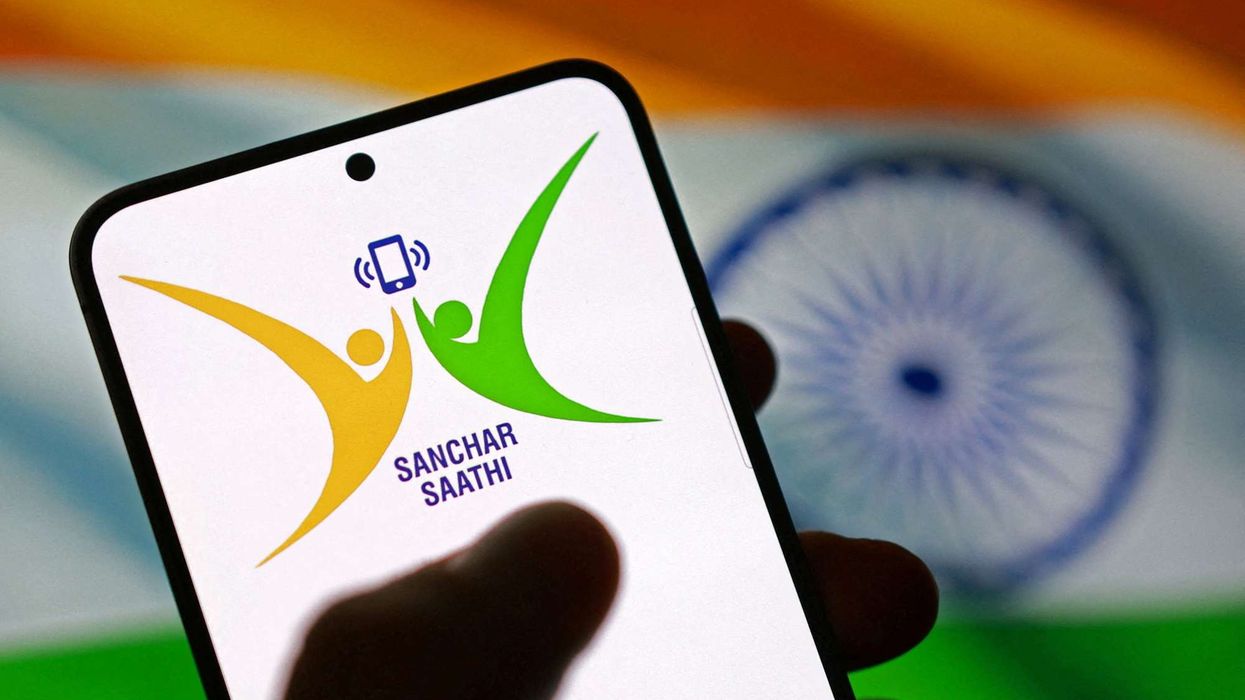
The government had privately told companies including Apple, Samsung and Xiaomi on November 28 to install a non-removable app called Sanchar Saathi on all new phones within 90 days.
In a statement, the communications ministry said: “Government has decided not to make the pre-installation mandatory for mobile manufacturers.”
The reversal followed protests by opposition parties and concerns raised by privacy advocates and newspaper editorials. Industry sources said Apple and Samsung had planned not to comply with the order.
A day earlier, ministers had defended the plan, saying the app helps track and block stolen phones and prevents misuse. The directive had also asked companies to ensure the app could not be disabled.
The decision echoes a similar reversal last year when India withdrew a laptop import licensing policy after lobbying by U.S. officials.
“India’s highly unpredictable regulatory framework presents constant challenges for business that values predictability,” said Mishi Choudhary, a tech lawyer working on internet advocacy issues. “This is a welcome move but arbitrary policy decisions without any analysis of what effectively works to curb frauds is concerning.”
The government said it stepped back from the plan because the app was already gaining traction. Since Tuesday, 600,000 citizens have downloaded it.
“The app is secure and purely meant to help citizens from bad actors in the cyber world,” it said in a statement.
Earlier on Wednesday, Congress leader Randeep Singh Surjewala asked the government in a notice to Parliament to explain the legal basis for “mandating a non-removable app” and sought a debate on privacy and security risks. “The grave, serious and real apprehension is also that such compulsorily installed app can have a backdoor, thereby absolutely compromising the data and privacy of the user,” he said.
Industry sources said Modi’s plan had little precedent, with Russia being a rare example. In August, Moscow ordered the pre-installation of a state-backed messenger app called MAX on all phones and tablets.
Modi had faced privacy criticism earlier. In 2020, his government made a Covid-19 contact-tracing app compulsory for office workers before later relaxing the requirement after objections by privacy advocates.
(With inputs from agencies)