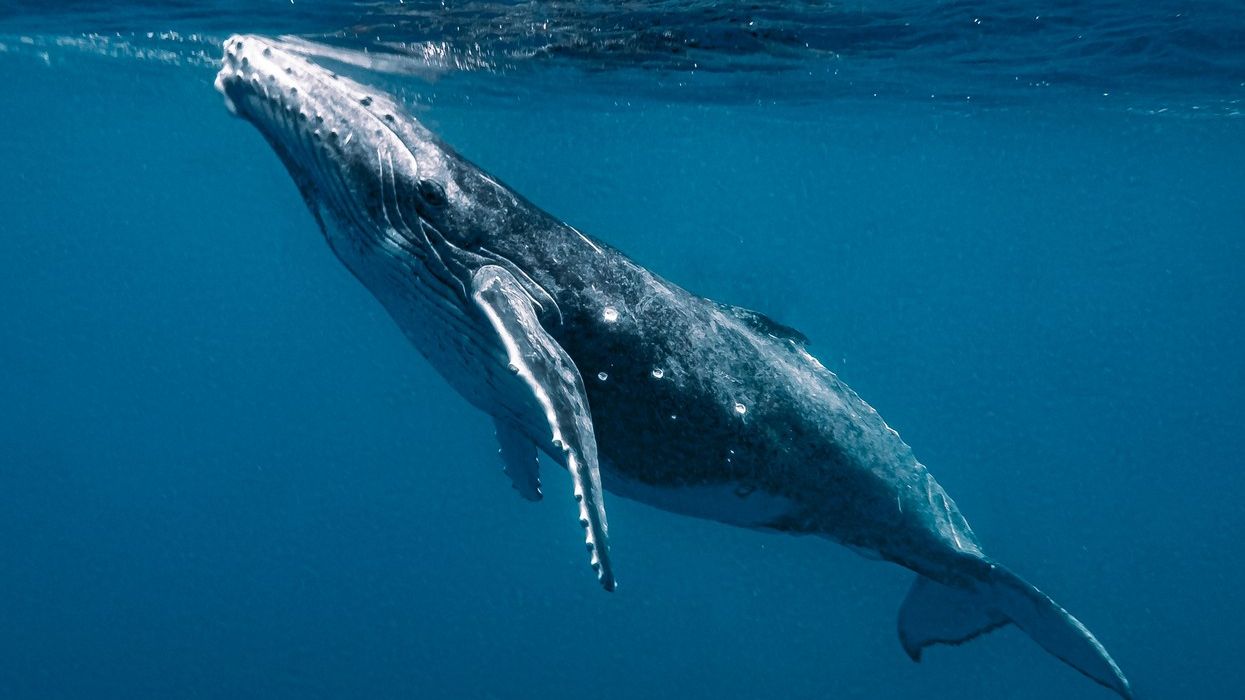

In 1972, a humpback whale named Festus, a beloved figure off the coast of southeast Alaska, entertained onlookers for 44 years. However, in June 2016, Festus was discovered dead in Glacier Bay National Park, having succumbed to starvation, believed to be a result of an unprecedented marine heatwave.
New research, published by Royal Society Open Science, reveals that the North Pacific humpback whale population experienced a 20 per cent decline between 2013 and 2021 due to the adverse effects of warmer waters on the ecosystem.
“The [2014-2016] marine heatwave really diminished the productivity of the ocean in a way that critically undermined humpback whale populations,” says Ted Cheeseman, a marine biologist at Southern Cross University in Lismore, Australia who led the study.
Humpback whales, known for their melodic underwater songs and acrobatic displays, faced near extinction due to centuries of hunting. By 1976, their numbers in the North Pacific had dwindled from 1,200 to 1,600 individuals.
Post the whaling ban, the population peaked at nearly 33,500 in 2012, with an average growth rate of 6% between 2002 and 2013. Such a remarkable 40-year upward trend led to the removal of humpbacks from the US Endangered Species Act in 2016.
However, in the same year, an extreme marine heatwave persisted in the northeast Pacific, causing maximum sea temperatures to rise 3-6°C above average from 2014 to 2016. This warming reduced nutrient availability for phytoplankton, the foundation of the marine food web, triggering a cascade effect across the ecosystem.
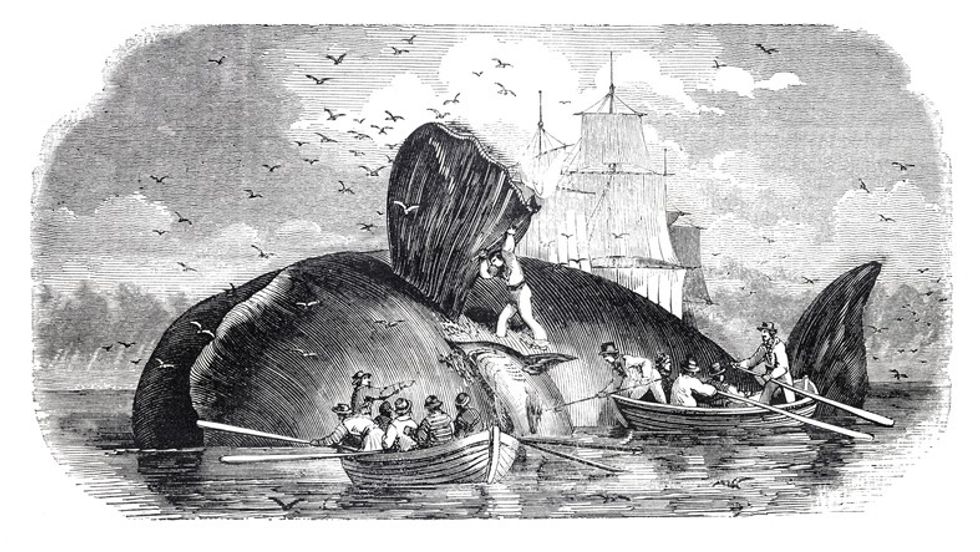 Humpback whales were declining due to hunting during the 1970s (Representative image: iStock)
The study underscores how the decline in nutrients affected the entire food chain, impacting everything from sardines to seabirds to sea lions.
The research emphasises that humpback whales, renowned for their adaptability in switching prey, struggled when the entire ecosystem experienced decreased productivity. Sustained heatwaves not only lead to starvation, as evidenced by Festus but also result in skinny whales.
These emaciated individuals are more susceptible to diseases, and female whales in poor condition are less likely to reproduce. The study draws parallels with research on humpbacks in Antarctica, where warmer ocean conditions led to lower pregnancy rates.
Ari Friedlaender, an ecologist at the University of California Santa Cruz, believes that the 2014-16 marine heatwave likely impacted pregnancy rates and contributed to the demise of certain North Pacific humpbacks.
Long-term monitoring efforts, such as using drones to study Hawaii-born humpback whales and collaborative projects like Happywhale, played a crucial role in gathering data for the study.
Ted Cheeseman founded Happywhale in 2015, creating a vast photo-identification database using images contributed by 46 research organizations and over 4,000 citizen scientists. This "Facebook for whales" employs image recognition algorithms and boasts a 97-99 per cent accuracy rate for identifying humpbacks, aiding researchers in tracking various marine species.
As oceans and their inhabitants face challenges, Lars Bejder, director of the Marine Mammal Research Program at the University of Hawaii at Manoa, underscores the importance of these sentinel creatures. Healthy oceans contribute to healthy whale populations, making ongoing monitoring efforts vital to understanding and mitigating the impacts of large-scale oceanographic events.