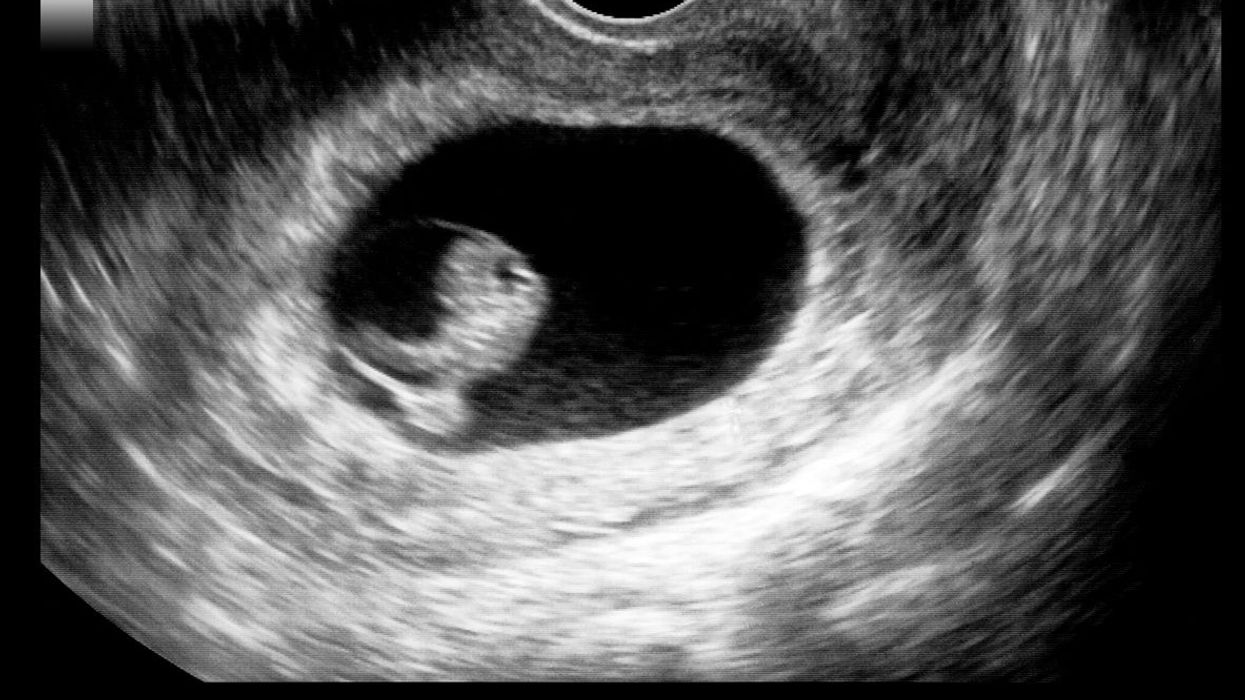

In a significant scientific achievement, researchers have successfully created a model of the human embryo using stem cells in a laboratory setting.
This breakthrough holds immense potential for unraveling the mysteries of early human development and providing insights into the causes and mechanisms behind pregnancy failures.
The embryo model, derived from pluripotent stem cells capable of differentiating into various cell types, exhibits a well-organised three-dimensional structure that closely resembles key developmental processes during the initial stages of human embryonic development, according to a study conducted at Cambridge University in the UK.
By allowing experimental modeling of embryonic development during the second week of pregnancy, these innovative models have the capacity to enhance our understanding of the origins of organs and specialised cells, including sperm and eggs.
The research findings, published in the prestigious journal Nature, highlight the potential of these embryo models as a powerful tool for investigating and comprehending the intricate processes underlying early human development and pregnancy-related complications.
The second week of pregnancy in humans is when the embryo implants into the uterus. However, this is also the time when many pregnancies are lost.
Magdalena Zernicka-Goetz, professor in the Department of Physiology, development and neuroscience at Cambridge, who led the work, said, "Our human embryo-like model, created entirely from human stem cells, gives us access to the developing structure at a stage that is normally hidden from us due to the implantation of the tiny embryo into the mother's womb.”
Understanding these early developmental processes holds the potential to reveal some of the causes of human birth defects and diseases, and to develop tests for these in pregnant women, the study said.
Until now, the processes could only be observed in animal models, using cells from zebrafish and mice, for example.
"This exciting development allows us to manipulate genes to understand their developmental roles in a model system. This will let us test the function of specific factors, which is difficult to do in the natural embryo," Zernicka-Goetz said.
Scientists so far have only been able to study the period of early human development using donated human embryos. This advance could reduce the need for donated human embryos in research.
However, Zernicka-Goetz said that while these models can mimic aspects of the development of human embryos, they cannot and will not develop to the equivalent of postnatal stage humans.
The new models derived from human stem cells do not have a brain or beating heart, but they include cells that would typically go on to form the embryo, placenta and yolk sac, and develop to form the precursors of germ cells, that will form sperm and eggs.
Many pregnancies fail at the point when these three types of cells orchestrate implantation into the uterus and begin to send mechanical and chemical signals to each other, which tell the embryo how to develop properly.
(PTI)