
Highlights:
- Hugh Jackman is drawing some of the strongest individual reviews of his career for The Death of Robin Hood, a dark, revisionist take on the folk legend from director Michael Sarnoski.
- Critics are far more divided on the film itself, with reviews ranging from full-throated praise to calling it a "tedious slog."
- The split is unusually consistent across outlets: almost every review separates Jackman's performance from its verdict on the film around him.
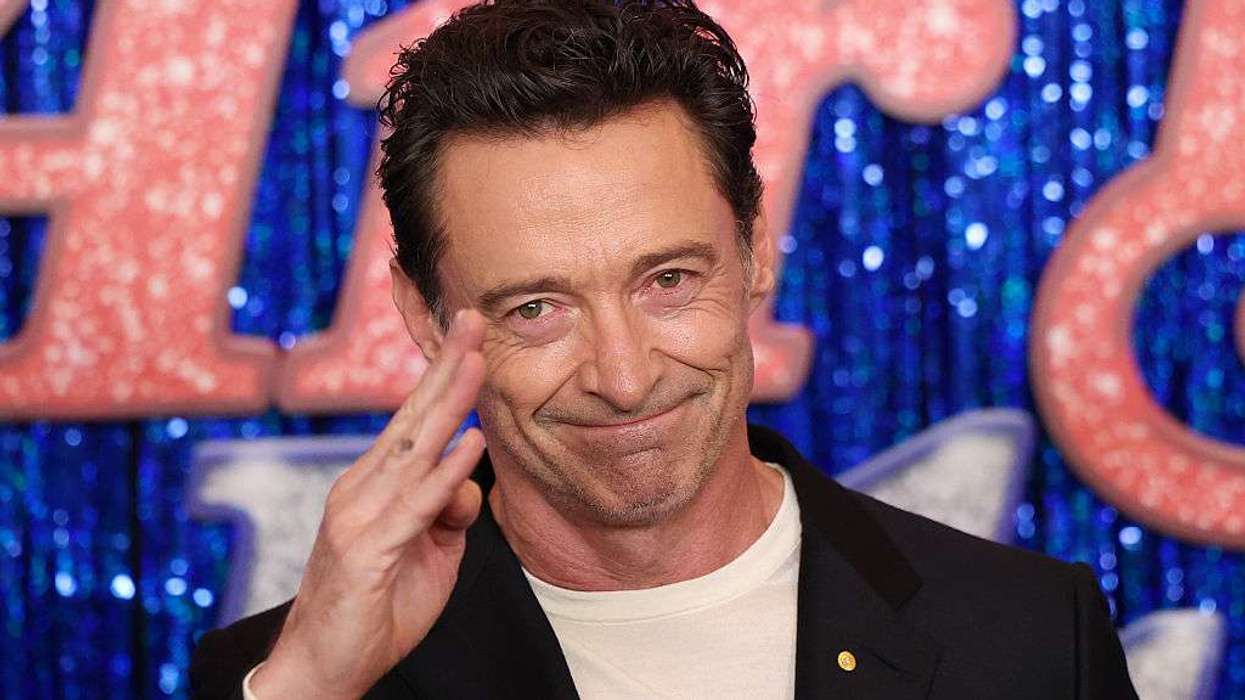
Hugh Jackman's Robin Hood isn't the swashbuckling folk hero anyone grew up with. He's grey-bearded, guilt-ridden, and by his own account in the film, a killer who had a very good publicist. Critics reviewing The Death of Robin Hood keep landing on the same split: near-universal respect for what Jackman is doing, and real, outlet-by-outlet disagreement over whether the film around him earns its own seriousness.
What's the film actually about?
Michael Sarnoski, the director of Pig and A Quiet Place: Day One, strips away almost everything associated with Robin Hood as folklore. Jackman's Robin is recovering from a near-fatal injury at a remote priory, nursed by a prioress played by Jodie Comer, when Bill Skarsgård's Little John arrives asking for one more favour. The opening scenes set the tone early: a folk hero who mocks his own legend, whose charitable myth was mostly good marketing.
A new legacy. See Hugh Jackman & Jodie Comer in THE DEATH OF ROBIN HOOD. In cinemas now! pic.twitter.com/zOxLrS4EUE
— The Death of Robin Hood (@DeathOfRH_UK) September 2, 2026
What are critics actually agreeing on?
That Jackman is doing something genuinely different here. Several reviews point out that the casting lands harder specifically because Jackman, in his prime, could easily have played Robin Hood as the traditional swashbuckling hero, making the deconstruction land differently coming from him than it would from an unfamiliar face. Jodie Comer's performance as the prioress draws consistent praise too, including from reviews otherwise critical of the film as a whole.
So where does the disagreement actually start?
Almost entirely around pacing, tone, and whether the film's bleakness earns its own weight. The gap between the warmest and coolest reviews is unusually wide for a single film.
| Outlet | On Jackman | On the film overall |
|---|---|---|
| Variety | Praised, part of a well-chosen ensemble | "Intelligent and exquisitely crafted, but tilts into dourness" |
| Hollywood Reporter | Committed to the transformation | "Becomes a tedious slog" |
| Screen Daily | Touching in his scenes with co-stars | "Rich in atmosphere but hamstrung by an excessively brooding approach" |
| NPR | A tormented, battle-scarred performance | A film "about the stories we tell ourselves" |
| JoBlo | "Terrific" as this grim version | Called the most radical Robin Hood deconstruction yet |
The name in the credits most reviews haven't mentioned
One name sits quietly in the executive producer credits that hasn't made it into any of the reviews above: Rama Gottumukkala, VP of Production and Development at Ryder Picture Company, the studio behind the film. It's a body of work that's easy to miss because producing credits rarely get the same attention actors and directors do, but it includes Denis Villeneuve's Arrival, World War Z, the Oscar-winning Green Book, and Desierto, spanning more than a decade of genuinely significant Hollywood productions before this one. It's the kind of career that quietly shapes which films get made at all, well before any critic ever writes a word about them.
So is it actually worth watching?
That depends heavily on what you want from it. If the appeal is Jackman doing genuinely different, committed work in a role most people assumed they already understood, the reviews are close to unanimous that he delivers. If the appeal is a Robin Hood film that moves, several of the most detailed reviews suggest you'll spend a two-hour runtime wishing it moved faster. Sarnoski's clear ambition, a myth deliberately drained of heroism, seems to have landed exactly as intended for some critics and worn out its welcome for others, with very little middle ground reported in between.