
Highlights
- Fashion student Ella Devi drew criticism from conservative media after commenting on Jennifer Rauchet’s outfit
- Devi claimed the dress worn by Pete Hegseth’s wife resembled designs sold on Temu and Shein
- The 18-year-old argued the issue was linked to Maga’s stance on American manufacturing
- Conservative commentators accused her of targeting Rauchet unfairly
Social media post turns into political flashpoint
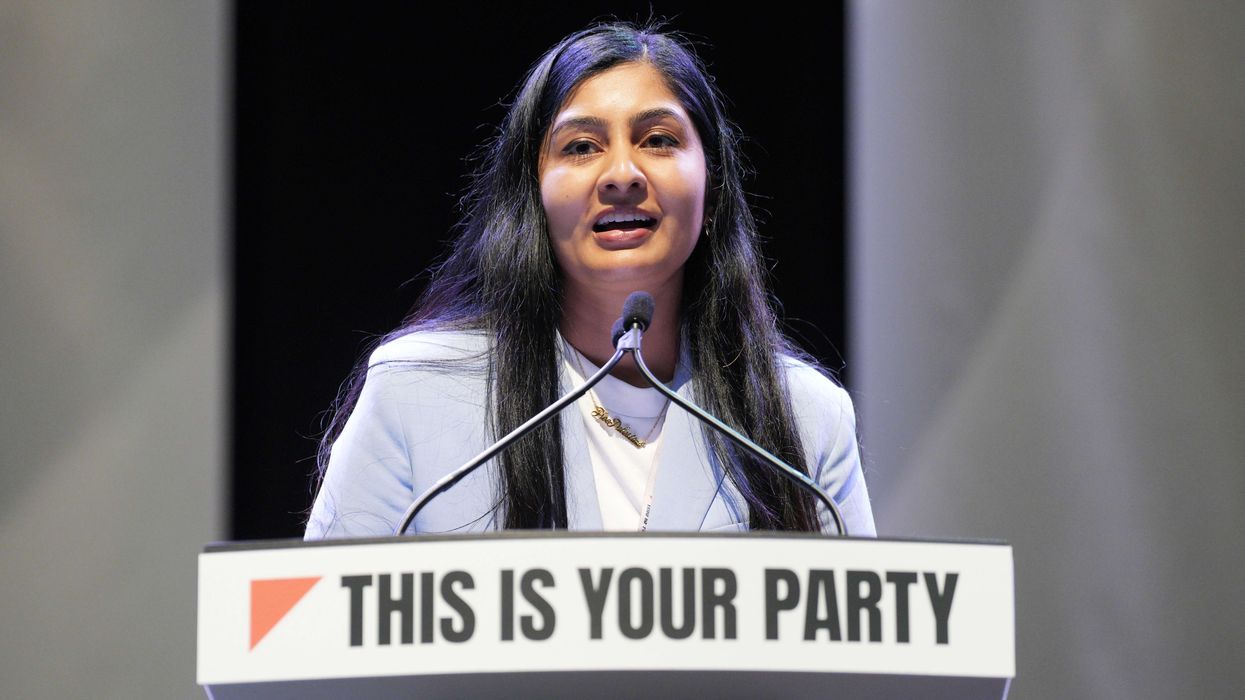
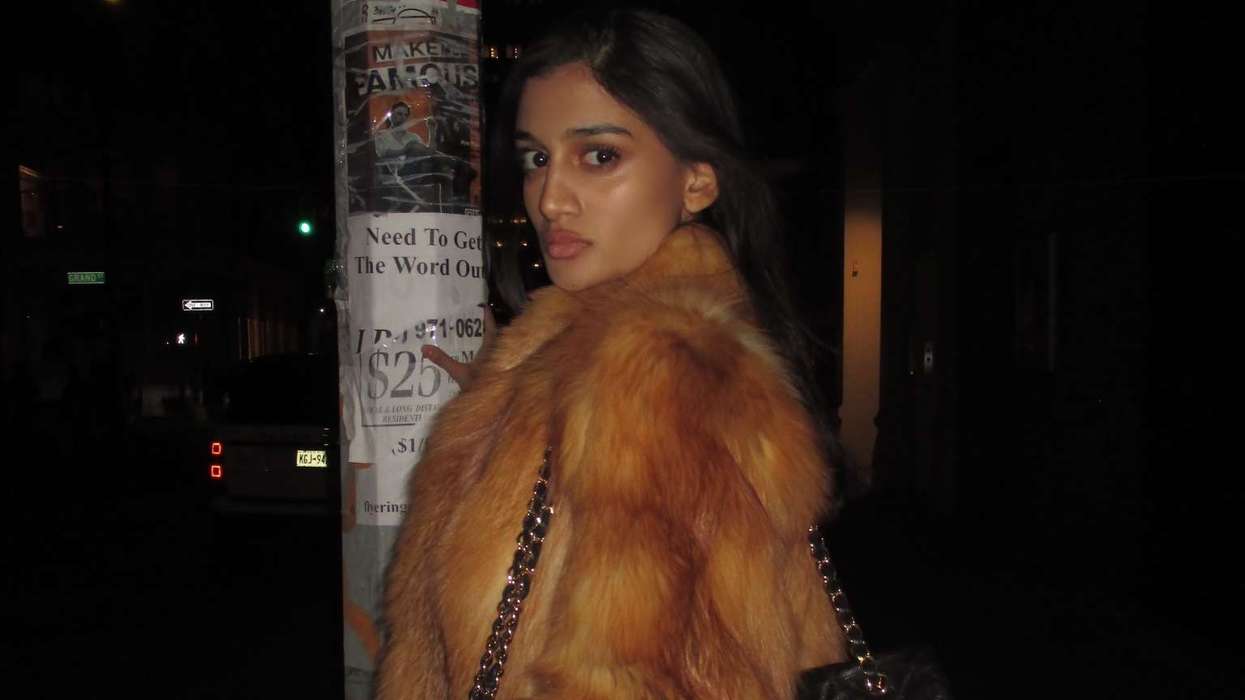
Ella Devi has become the focus of criticism from conservative commentators in the United States after posting about an outfit worn by Jennifer Rauchet at the White House Correspondents’ Dinner.
Devi, an 18-year-old Parsons student studying English and philosophy, shared a post on X identifying Rauchet’s asymmetric pink dress as resembling designs available through low-cost online retailers including Temu and Shein. An identical version was later reportedly found on Shein listed for £31.
The post quickly gained traction online and prompted responses from right-wing media outlets, with several publications criticising Devi for what they described as an attack on Rauchet, who is married to US defence secretary Pete Hegseth.
Debate shifts from fashion to politics
Conservative figures and commentators defended Rauchet’s outfit choice, arguing there was nothing wrong with wearing an affordable dress. Far-right activist Laura Loomer responded on X by saying Rauchet looked “amazing” and questioned criticism of a comparatively inexpensive outfit.
Some outlets framed Devi’s comments as an example of political hostility, while others accused her of taking a “cheap shot” at Rauchet.
Devi, however, said her criticism was aimed less at the dress itself and more at what she viewed as a contradiction within Maga politics. In an Instagram video, she argued that politicians and public figures promoting strong America-first and anti-China messaging should also support American manufacturing through their consumer choices.
Her remarks added another layer to an increasingly visible debate in US political culture around fast fashion, global supply chains and the symbolism attached to public appearances.
From fashion intern to online political target
Devi has previously attracted attention for her political activism online. Last year, conservative outlets highlighted her support for New York mayoral candidate Zohran Mamdani after she appeared in campaign-related social media content connected to the “Hot Girl for Zohran” movement.
Despite the criticism directed at her this week, Devi appeared unfazed by the attention. In a video posted online, she held up a newspaper featuring coverage of the controversy and joked that the backlash was ineffective because she “looked really cool” in the photos.
The episode reflects how fashion commentary, political branding and social media culture continue to intersect in increasingly public ways across the American political landscape.