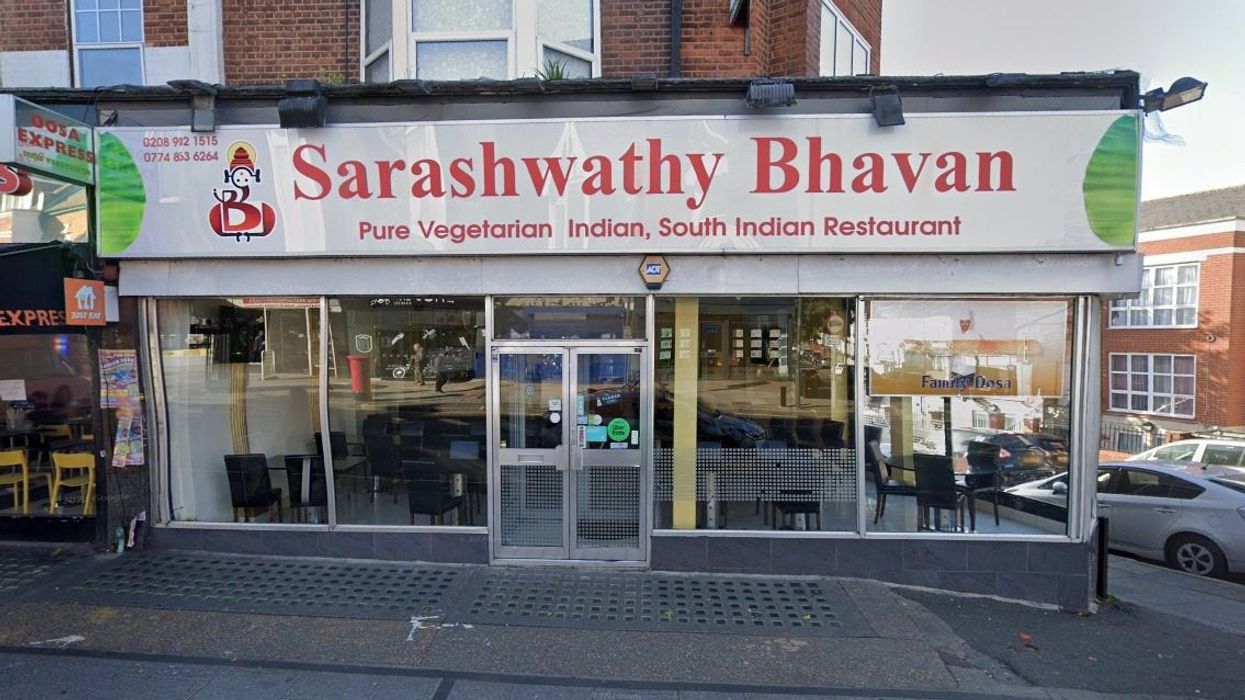

A restaurant owner in north west London created working conditions that ‘bore all the hallmarks of exploitation and modern slavery’, writes Grant Williams. A search by Home Office officials found five people working there illegally, with one seen sleeping on the kitchen floor as he was homeless.
Anil Verma, the owner of Saraswathy Bhavan – a vegetarian Indian restaurant in Wembley – illegally employed five back of house staff working in the kitchen, which is at basement level and non-public facing. They were paid in cash and below the April 2022 national minimum wage of £9.50 an hour.
One worker told officials that they worked ten hours a day, six days a week, for which Verma would pay them £30 or £40 a day – the equivalent of £4 an hour. A Home office document says: “[Mr Verma] knows his responsibilities as an employer and applies this to the front of house while readily flouting the same responsibilities for the kitchen staff.”
One of the workers had overstayed their visa by three years, which anyway didn’t include the right to work in the UK. Verma told officials he did know that they had overstayed their visa and were not allowed to work in the county, but claimed he was trying to help because they were “suffering badly in India”.
Another admitted to working there for the past three months, for which they were paid £900 a month cash in hand, as well as being provided food from the restaurant. They told officers their employer was aware they had no right to work in the UK and never showed any documentation prior to starting the role.
During an interview with Home Office staff, Verma said he had asked for a copy of the workers passport but neither received it nor chased it up. He added: “We get busy and it slipped my mind”.
The worker found sleeping in the kitchen claimed they had entered the UK in 2006 by hiding in a lorry. Since being in the country, they have not applied for a visa and never had the right to work.
Officers were told they had been living in the restaurant for the past ten days, having been granted permission to do so by “the owner of the shop”. They don’t pay any rent and sleep on cardboard on the floor. Verma claimed he was unaware that they had been sleeping in the kitchen.
Following the inspection of Saraswathy Bhavan by immigration officers on March 3 of this year, five arrests were made under the Immigration Act 1971. A further seven employees were found to be working legally, all within customer facing roles.
The Home Office has subsequently submitted an application to have the restaurant’s licence reviewed by Brent Council’s alcohol and entertainment licensing sub-committee. Officers want it revoked due to failing the licensing objective of preventing crime and disorder.
The application says: “Merely remedying the existing situation is insufficient to act as a deterrent to the licence holder and other premises’ licence holders from engaging in criminal activity by employing illegal workers and facilitating disqualified immigrants to work illegally. Brent Council are set to decide on the matter next week (June 15).
(Local Democracy Reporting Service)