- National Trust says some ethnic communities feel the countryside is not for them.
- Debate grows over language use and inclusivity efforts.
- Charity also urges stronger government action on nature decline.
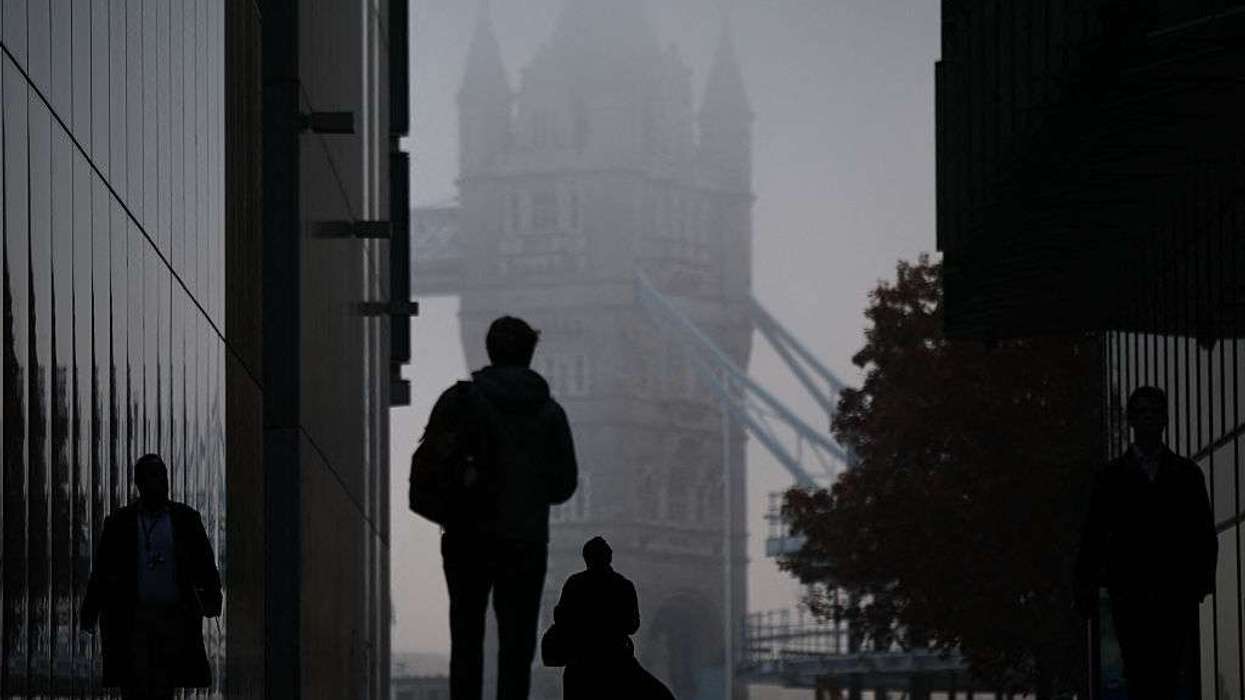
National Trust has said some people from ethnic backgrounds do not feel confident visiting the UK countryside, pointing to a mix of cultural and practical barriers that may be holding them back.
Speaking to LBC, the Trust’s director general Hilary McGrady suggested the issue is not about a single reason but a combination of unfamiliarity and perception. She said some people are unsure about what to wear, how to behave, or even what rules apply in rural settings, as quoted in a news report.
McGrady added that the organisation accepts what people are telling them about their experiences and is trying to respond in ways that make the countryside feel more accessible. She noted that the Trust’s purpose is to serve the whole nation, not just part of it, reportedly saying inclusivity sits at the centre of its work.
The conversation has also drawn political attention. Kemi Badenoch criticised the Trust over its use of the term “global majority” instead of ethnic minority. McGrady responded that the wording followed research indicating it was a preferred term, calling it a matter of respect, as quoted in a news report.
Nature, politics and growing pressure
Beyond access, the National Trust is also stepping into a broader debate around environmental policy. The charity has launched a rare campaign urging the public to contact MPs and push for stronger action to reverse what it describes as a decline in nature across the UK.
The move follows polling of 4,000 people, which suggests nature is a major source of national pride — second only to the NHS — yet many believe the government does not prioritise it to the same extent.
The findings also indicate that proposals to weaken environmental protections in favour of development are not widely supported. The Trust points to ongoing concerns about biodiversity loss, noting that the UK remains one of the most nature-depleted countries, with significant declines in bird populations and only 14 per cent of rivers in England considered to be in good ecological condition.
McGrady said the campaign had not been launched lightly, reportedly signalling growing frustration within the organisation about the pace of action. The intervention marks the first time in 15 years that the Trust has asked members and the public to directly pressure the government — a step that suggests the debate over access, conservation and development is far from settled.




 Curator Emma Slocombe with ikat robes and arabachi coats in the Peter the Great Room in Blickling Hall Amit Roy
 View of the entrance to Blickling Hall on a rainy autumn dayAmit Roy
 Kente cloth from Ghana in the Long Gallery in Blickling Hall
 Decoration in the Great Hall at Blickling Hall Amit Roy
 Palampore fragment made in coastal south-east India in the Brown Room in Blickling Hall Amit Roy
 Bed valance dating from early 1700s in the Italian Print Room at Blickling Hall Amit Roy
 Indian inspired fabric draped on sofas in the South Drawing Room in Blickling Hall Amit Roy
 Indian inspired fabric draped on sofas in the South Drawing Room with Indian carpet in Blickling Hall Amit Roy
 Karun Thakar has picked out the geometric patterns in the bookcase and the Kente cloth in the Long Gallery in Blickling Hall Amit Roy
 Large tapestry depicting Peter the Great defeating the Swedish army at the Battle of Poltava in 1709 Amit Roy
 ikat robes and arabachi coats in the Peter the Great Room in Blickling Hall Amit Roy
 Baghs and kanthas made by women provide contrast to the men only portraits in the Great Hall at Blickling Hall Amit Roy
 Baghs and kanthas in the entrance Great Hall at Blickling Hall Amit Roy
 Baghs and Kanthas in the Great Hall in harmony with stained glass window at Blickling Hall Amit Roy
 Kimonos reflect Japanese influence in Upper Ante Room in Blickling Hall Amit Roy
 Kimono in Upper Ante Room in Blickling Hall
 A view of the Palace and fort at Agra shows romantic side of India Amit Roy
 Blickling Hall Amit Roy
 Table carpet, European 1670-1680 Amit Roy
 Unfinished 17th century Italian embroidery in the Print Room at Blickling Hall Amit Roy
 Picture of Kashmir shows a romantic view of India Amit Roy
 A panel of Ashburnham bed hangings made in Gujarat for sale in Europe in the Brown Room in Blickling Hall Amit Roy
 Colcha made in the 1600s by women in Bengal for the Portuguese market in the Long Gallery at Blickling Hall Amit Roy