
- Heating oil prices for some UK businesses have more than doubled in weeks.
- Rural firms, reliant on off-grid fuel, are among the hardest hit.
- Small businesses warn of rising costs, rationing and limited protections.
A sharp rise in global fuel prices linked to tensions involving Iran is beginning to filter through to UK businesses, with thousands of smaller firms now facing steep increases in heating costs.
Heating oil, widely used by businesses not connected to the gas grid, has seen some of the most dramatic price movements. Around 7 per cent of UK small and medium-sized enterprises rely on it for heating and hot water. In rural areas, that figure rises to about 17 per cent, according to the Federation of Small Businesses.
For many of these firms, the change has been sudden. Prices that were manageable at the start of the year have surged within weeks, forcing businesses to rethink how they operate day to day.
Anthony Jenkins, who runs a hotel and restaurant in North Yorkshire, reportedly said his supplier charged 54.9p per litre in January but quoted 129p by late March. He described the increase as “extraordinary”, adding that his business had cut fuel orders and asked guests to reduce heating use to manage costs.
Rural businesses caught in the squeeze
The pressure is particularly intense for rural businesses, which often have limited alternatives to heating oil. Unlike urban firms, many are not connected to the mains gas network, leaving them exposed to fluctuations in global fuel markets.
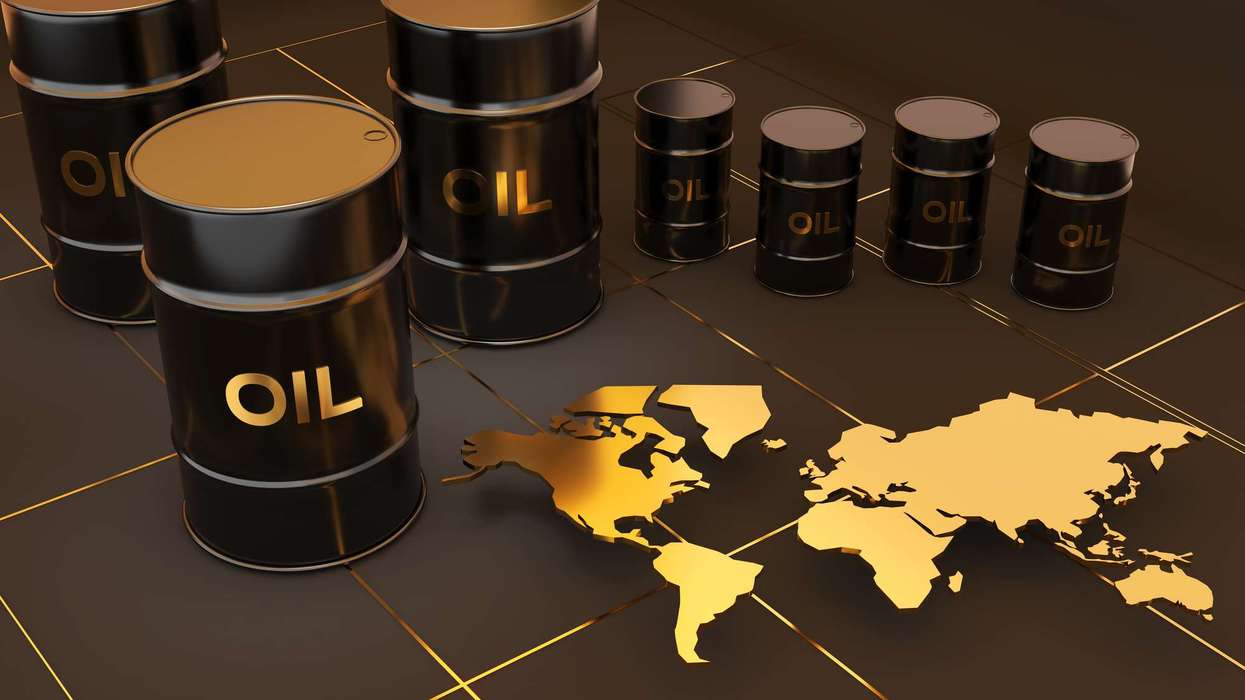
Heating oil is closely linked to the price of kerosene and jet fuel, both of which have surged amid supply concerns. Wholesale prices for diesel and jet fuel in north-west Europe recently crossed $1,600 (£1,250) and $1,900 (£1,480) per tonne respectively, reflecting tightening supply and market uncertainty.
The knock-on effect is immediate. Businesses are not just paying more for energy but also dealing with unpredictable pricing. Some suppliers are reportedly delaying quotes or revising prices at short notice, making it difficult for companies to plan ahead.
Jenkins said his supplier refused to confirm a price for over a week and later quoted a figure more than 100 per cent higher than before the recent escalation, as quoted in a news report. In response, his business reduced its usual order and is now looking to rely more on solar heating to offset costs.
Costs rise, protections lag behind
While households are shielded by energy price caps, small businesses operate under very different conditions. They are exposed directly to market rates and often rely on brokers to secure contracts.
The Federation of Small Businesses has raised concerns that the current environment leaves smaller firms vulnerable, not just to rising prices but also to poor deals.
Tina McKenzie, policy chair at the organisation, reportedly said stricter rules are needed for energy brokers, warning that businesses are under pressure and may be pushed into unfavourable long-term contracts.
She added that small firms are “far more akin to households than to their larger peers” but do not receive the same level of protection.
The UK energy regulator Ofgem has said it is monitoring the situation and has reminded suppliers and brokers to treat customers fairly. However, proposed reforms to strengthen protections for small businesses are not yet in force.
For now, many businesses are left managing the situation on their own. Some are cutting back on energy use, others are delaying spending, and a few are exploring alternative energy sources where possible.
The broader concern is that rising energy costs, combined with existing pressures such as wages and supply costs, could begin to weigh more heavily on smaller firms in the months ahead.