
Hayden Panettiere's death was announced on 17 August, the day after she was found unresponsive in a Greenville, South Carolina apartment. Nobody knew why at the time. Weeks on, according to multiple law enforcement sources cited by TMZ, investigators believe they've narrowed it down to one tablet, taken the morning she died.
The account they've pieced together goes like this. Panettiere flew from Los Angeles to South Carolina the day before her death, and is believed to have taken several drugs during that flight, sourced from what investigators describe as a long-time drug dealer supplying her with black-market prescription medication, including oxycodone. The following morning, she's thought to have taken an oxycodone pill investigators now suspect was laced with fentanyl, an opioid many times more potent than heroin, and one that's increasingly turning up in counterfeit pills made to look identical to the real thing. She was found unresponsive shortly before 2pm and declared dead at the scene, despite efforts by paramedics who'd been called to the property.
The Greenville County Coroner's Office confirmed back in August that an autopsy had turned up no signs of physical trauma, but said the actual cause and manner of death remained pending further investigation. That status hasn't changed publicly since. Full toxicology results, officials have said, could take up to twelve weeks, meaning the fentanyl theory currently sits somewhere between a strong working conclusion and something still awaiting formal confirmation.
The DEA is now trying to trace the pill back to whoever supplied it, working across both Los Angeles and South Carolina. It's the kind of investigation that's drawn a specific comparison already, to the case of rapper Mac Miller, whose own supplier was later convicted over drugs, fentanyl-laced pills among them, that contributed to his death. Panettiere's on-and-off boyfriend Brian Hickerson and his brother Zach were both at the apartment when it happened. A police report noted that Zach identified her to responding officers, and that Brian administered naloxone before paramedics arrived. Neither man has been named as a suspect in her death.
None of this is a story that's being sprung on anyone who followed Panettiere's own account of her life. She wrote candidly, in a memoir published only months before she died, about years spent in and out of addiction, and about how genuinely hard staying in recovery actually was. What's changed isn't the subject. It's the specificity, a name for what may have finally happened, rather than a general struggle she'd already chosen to describe in her own words.
She's survived by her daughter, Kaya. To most people who watched her work rather than read her memoir, she'll likely stay exactly who she was before any of this: Claire Bennet, the cheerleader who couldn't be killed, and Juliette Barnes, the country star holding a fractured band and a harder life together on Nashville. That's probably still the fairer way to remember her, even with everything else now on the record.



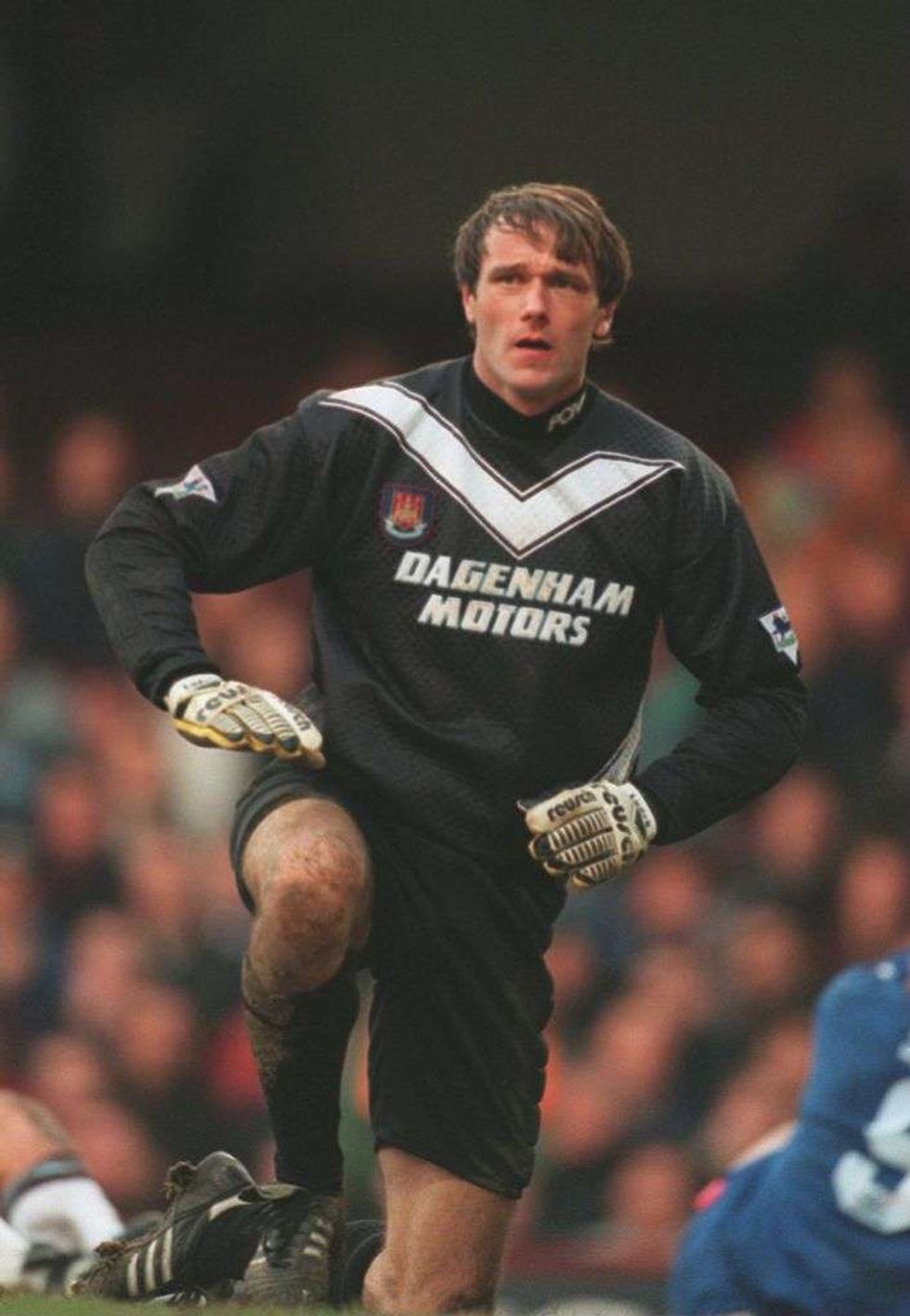 GOALKEEPER LUDEK MIKLOSKO OF WEST HAM UNITED IN ACTION DURING A PREMIERSHIP MATCH AGAINST CHELSEA AT UPTON PARK. CHELSEA WON THE GAME 2-1. Mike Hewitt/ALLSPORT
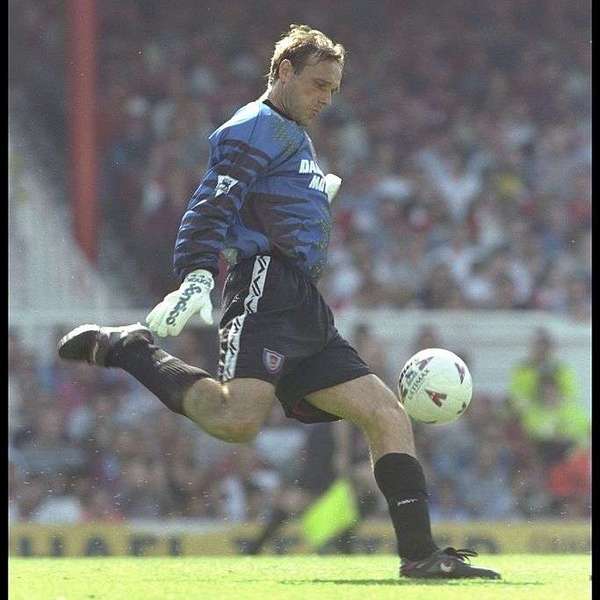 Ludek Miklosko of West Ham in action during the Premier League match between Arsenal and West Ham at Highbury in London. Stu Forster/Allsport UK
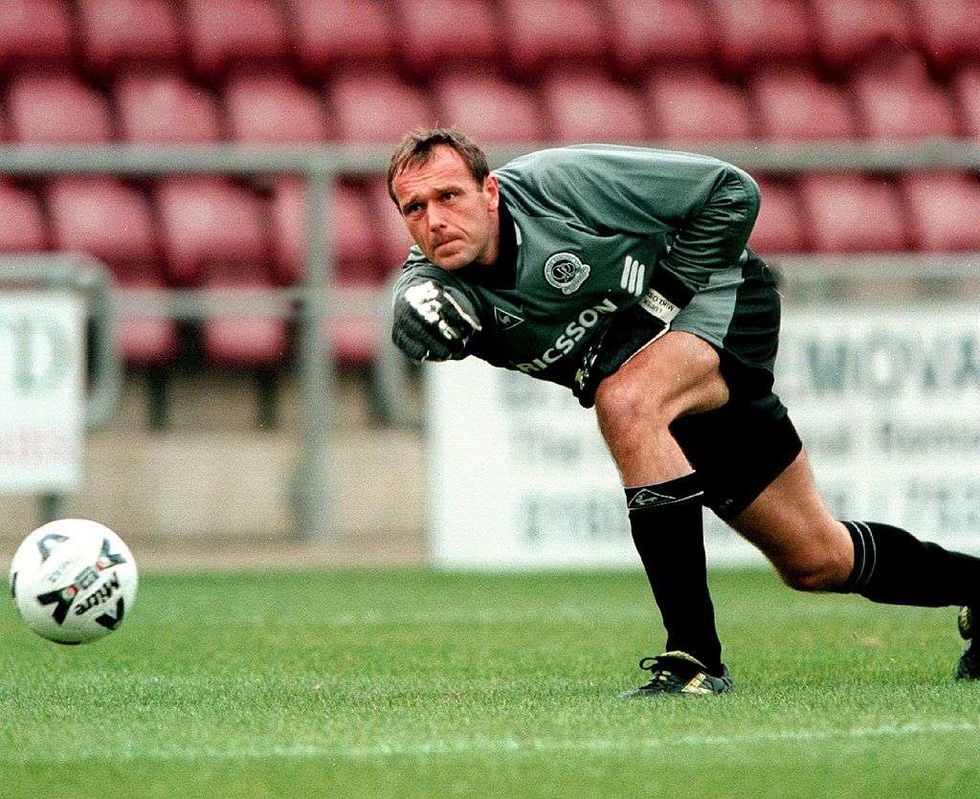 Ludek Miklosko of Queens Park Rangers reserves in action during the Avon Insurance Combination League match against Northampton Town reserves at the Sixfields Stadium, in Northampton, England. Queens Park Rangers reserves won the match 3-1.Peter Norton /Allsport