by Amit Roy
DAVID CAMERON, who was the UK prime minister for six years from 2010-2016, is still only 52.
So what is he to do, considering he might have another 20-25 years of public service left? He could get a job in the private sector with a fat salary, but once you have been prime minister, no other post could possibly carry the same excitement.
A recent suggestion from a “source close to Mr Cameron” that he wanted a return to politics and would perhaps accept a job as foreign secretary once Theresa May was succeeded by a new Conservative party leader was discounted by other “friends of David Cameron”.
However, William Hague, having resigned as Tory party leader, served with distinction as foreign secretary under Cameron.
Many blame the whole Brexit mess on Cameron, which will make it difficult, if not impossible, for him to return to front-line politics.
Strictly from the Indian point of view, though, it would be no bad thing if he were to become foreign secretary one day. Both as opposition leader and as prime minister,
no British politician in recent years has done as much as Cameron to establish a “special relationship” between the UK and India.
Cameron apparently wants to work in the charity sector and on a UK-China fund. There might be more money in the latter, but perhaps he would do better to continue the work he began in strengthening India-UK relations.
This brings up the larger question of whether there is room for ethics in foreign policy, whether the foreign secretary is Cameron, Hague, Boris Johnson or Jeremy Hunt.
Sanctions were applied against Russia for the poison attack on Sergei and Yulia Skripal, but not against Saudi Arabia for the murder of the journalist Jamal Khashoggi.
And should Britain grant political asylum now to the Christian woman Asia Bibi, as requested by her husband Ashiq Masih?
This is a tricky one. If she is kept in Pakistan, those who wanted her hanged for alleged blasphemy will probably get to her sooner or later. But if she is allowed to come to Britain,
there might be unwelcome consequences, both for the Pakistani and British governments.
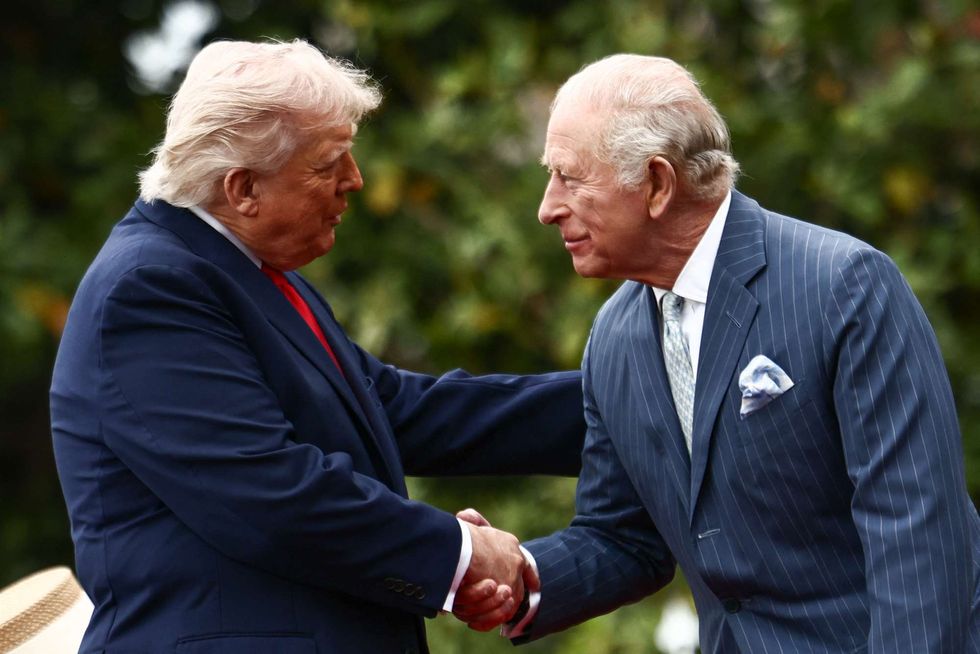 Greets Donald Trump at the White HouseHenry Nicholls/Getty Images