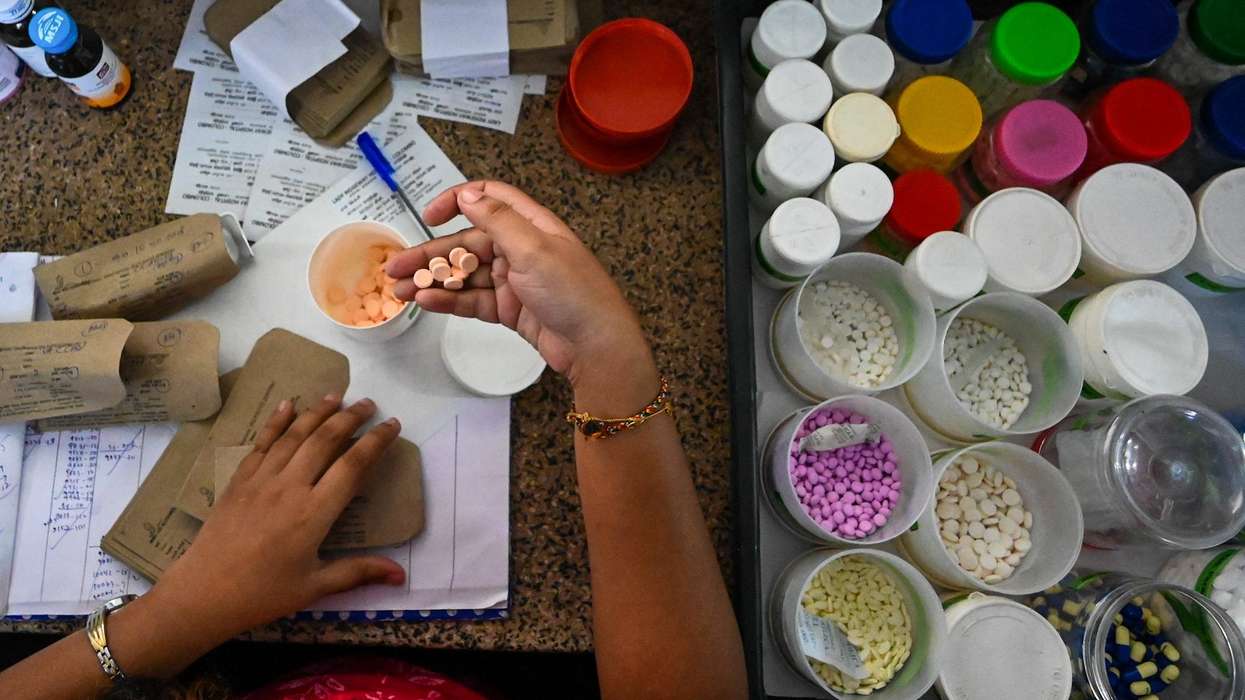

- About 3,400 tonnes of unused medicines were disposed of in England in 2024-25.
- The waste is estimated to cost the NHS at least £480 million a year.
- Pharmacists want more reviews for patients taking multiple medicines and less over-ordering of repeat prescriptions.
England is throwing away enough unused medicines to fill around 75 swimming pools every year, according to the National Pharmacy Association (NPA), which estimates the waste costs the NHS at least £480 million annually.
The pharmacy body analysed data from regional health organisations and estimated that around 3,400 tonnes of partly used medicines were disposed of across England in 2024-25.
The figure includes medicines that may have been opened and partly used, as well as drugs that remain unopened but cannot simply be put back into circulation once they have left a pharmacy.
Olivier Picard, chair of the NPA, reportedly said the money being spent on unused medicines could instead be directed towards improving NHS services. He also warned that the problem carries environmental and health implications.
One reason for the waste is the way medicines are handled after they leave a pharmacy. Even an unopened packet generally cannot be returned to stock once it has been given to a patient because pharmacies cannot guarantee that it has been stored correctly.
That means medicines ordered unnecessarily, no longer needed after a change in treatment, or left unused at home can eventually become waste.
The NPA, which represents around 6,000 independent community pharmacies across the UK, said some patients may also be ordering extra medicines simply to have them available "just in case".
Patients taking several different medicines could be particularly affected. The organisation is calling for more regular medication reviews to identify prescriptions that are no longer needed and reduce the amount being ordered unnecessarily.
The issue is already visible at a local level. Buckinghamshire, Oxfordshire and Berkshire West Integrated Care Board has previously estimated that it spends around £10 million a year on medicines that go unused.
Waste, shortages and a safety concern
The problem is not simply about money.
Dr Rasha Abdelsalam Elshenawy, a senior lecturer at the University of Hertfordshire, reportedly said surplus medicines could also become a patient safety and antimicrobial resistance issue.
Leftover antibiotics, for example, can potentially be taken later without medical advice. That can contribute to antimicrobial resistance, which makes infections harder to treat.
The NPA is therefore urging patients to order repeat prescriptions only when they need them and to speak to a pharmacist if they are unsure about a medicine or how much they require.
NHS England said it had introduced features through the NHS app to help patients manage prescriptions, including repeat orders. It also pointed to local campaigns aimed at reducing medicine waste and efforts to improve the way medicines are prescribed and used.
The waste figures also come against a backdrop of continuing medicine supply problems. Health leaders warned in June that the NHS was experiencing some of its most serious medicine shortages on record, affecting products ranging from common painkillers to epilepsy medicines and HRT.
The National Pharmacy Association and Royal College of GPs have highlighted continuing supply problems involving Estradot, an HRT medicine, and Creon, which is used by patients with conditions including pancreatic cancer and cystic fibrosis.
That creates an uncomfortable contrast. While some medicines are difficult to obtain, thousands of tonnes of others are being discarded after they are prescribed but never used.
The NPA believes more frequent reviews for people taking multiple medicines could help close that gap, while patients being more careful about repeat orders could reduce unnecessary waste.
For the NHS, even a small reduction in medicines being ordered and discarded could potentially free up money for other parts of the health service. But the scale of the problem suggests that changing how prescriptions are ordered, reviewed and managed may be just as important as asking patients not to waste what they receive.