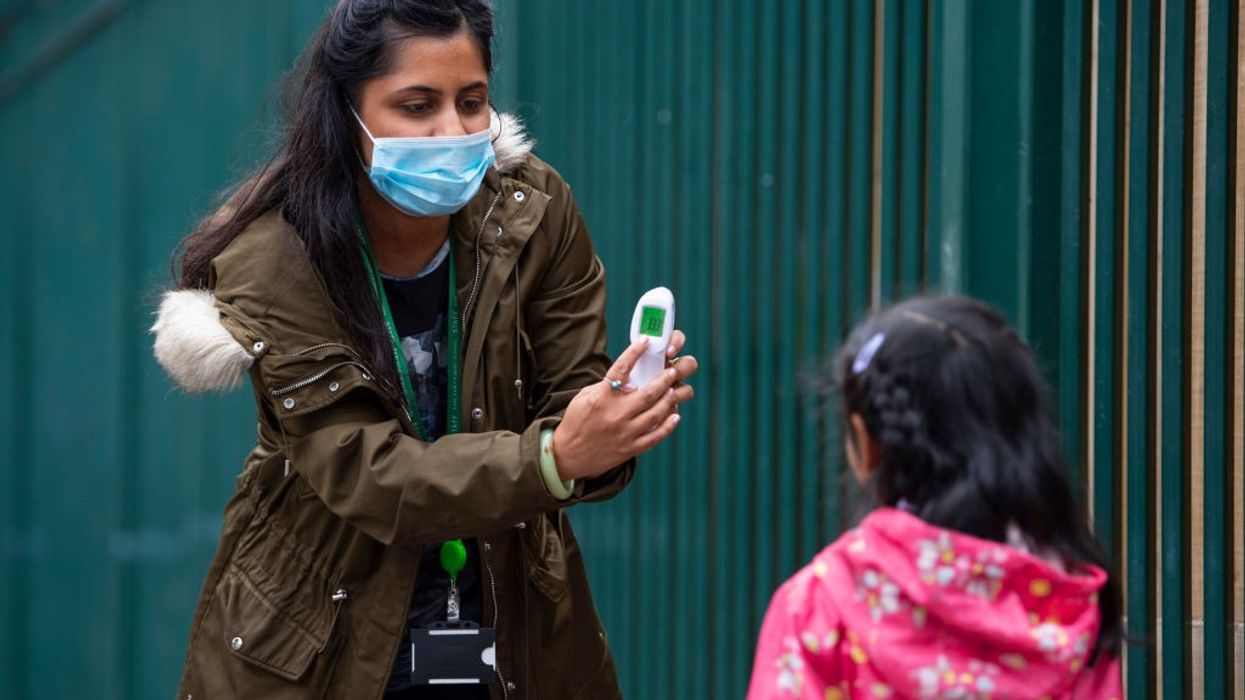

THE number of students sent home from school due to Covid infection has spiked leading to widespread absence, statistics have shown.
According to new Department of Education (DoE) data, more than 375,000 pupils –about one in 20 – were not in school for Covid-related reasons. This was an increase by more than 130,000 in a week and the highest number since children returned in March.
School absences have quadrupled during June, experts said, although only four per cent of young people told to stay home are confirmed Covid cases.
Absences were higher in secondary than primary school, with 6.2 per cent out of secondary school.
Ministers have been urged to end bubbles imminently to prevent more disruption during the final weeks of term and during the summer holidays.
In response to the news on attendance in schools, education secretary Gavin Williamson said he was aware of a “minority of students experiencing disruption at the moment”.
“While pupils who are self-isolating are being immediately provided with high-quality remote education, we know that the best place for children is in the classroom,” he said.
“That is why I am working with the health secretary, alongside scientists and public health experts, to relax Covid measures in schools in line with wider work to remove restrictions across society.
“I’ll be looking closely at the issues around the need for ongoing isolation of bubbles and the outcomes of the daily contact testing trial, as we consider a new model for keeping children in education.”
In the Commons on Monday (28), new health secretary Sajid Javid vowed to take “fresh advice” on the issue.
The DoE confirmed it had written to all secondary schools and colleges asking them to prepare on-site testing when students return for the new academic year.
Shadow education secretary Kate Green said the government was failing to protect students learning and should not wait until September to take action.
“They must urgently review the bubble system and get mitigations in place before the summer to keep kids in school for the next four weeks,” she said.
A spokesperson for the DoE said: “We are aware of the disruption a minority of young people are experiencing at the moment and continue to work closely with scientists and public health experts to get things back to normal as soon as possible.





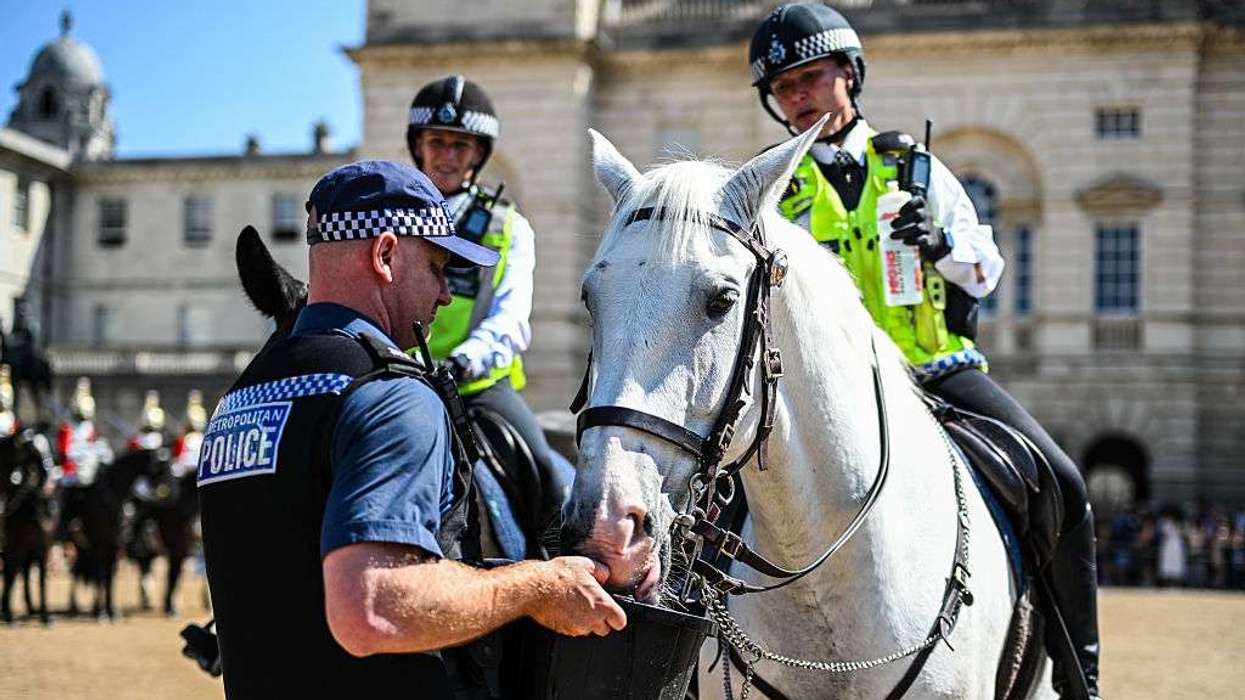 Police horses are given refreshments during the handover of The King's Life Guard on July 29, 2026 in London, England. (Photo by Ben Montgomery/Getty Images)