
Highlights
- Margot Robbie wore Elizabeth Taylor’s Taj Mahal diamond necklace at the Wuthering Heights world premiere
- The jewel was a gift from Richard Burton to Taylor in 1972 and carries centuries of romantic history
- Robbie and co-star Jacob Elordi’s close-knit press tour has echoed the film’s obsessive themes
A red-carpet moment steeped in drama
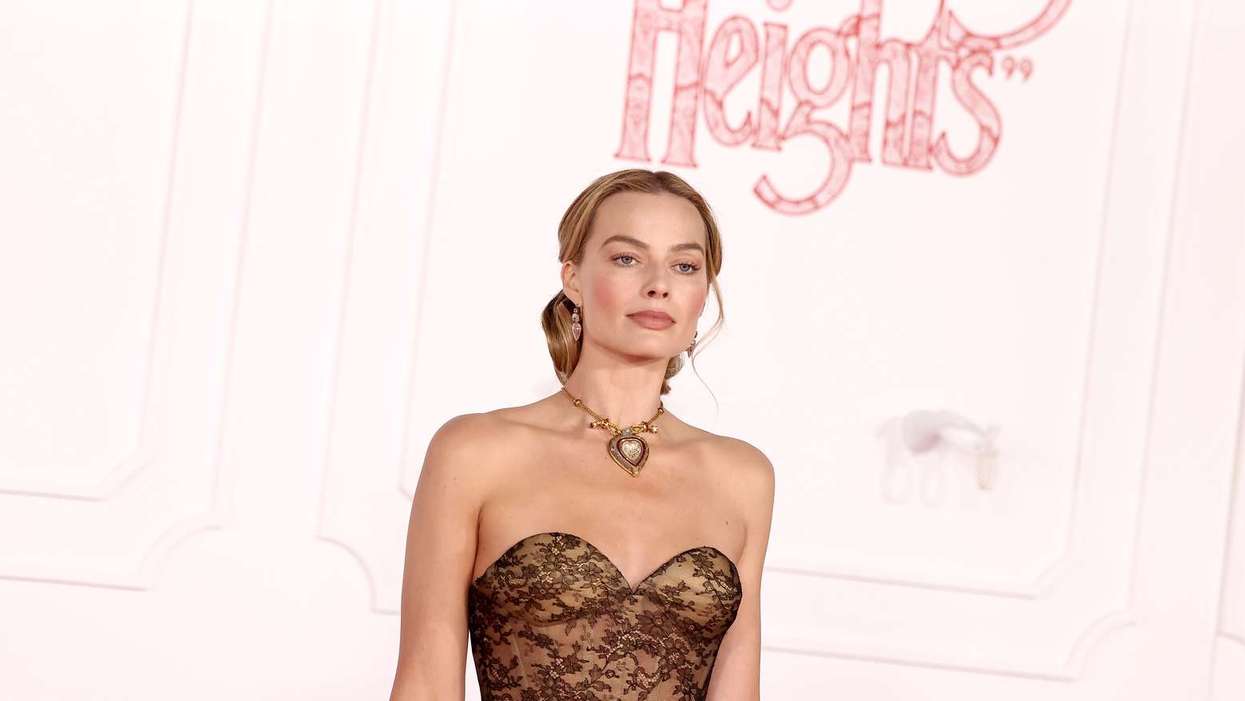
The Wuthering Heights press tour has matched the intensity of its source material, but one red-carpet detail has eclipsed even the film’s gothic theatrics. At the world premiere of Emerald Fennell’s adaptation, Margot Robbie stepped out in a Schiaparelli gown, wearing the Taj Mahal diamond necklace once owned by Elizabeth Taylor.
The choice felt deliberate. Robbie stars as Catherine Earnshaw opposite Jacob Elordi’s Heathcliff, and the pair have leaned into a visibly intertwined dynamic while promoting the film, describing their on-set bond in unusually emotional terms.
A jewel with a turbulent past
The heart-shaped Taj Mahal pendant, reportedly valued at around $8 million, was given to Elizabeth Taylor by Richard Burton for her 40th birthday in 1972. Inscribed with the phrase “love is everlasting” in Parsee, the necklace carried a symbolism that mirrored the famously volatile relationship between the two Hollywood icons.
Taylor and Burton met on the set of Cleopatra in 1961, beginning an affair that drew global scrutiny and condemnation from the Vatican. Their relationship unfolded through two marriages and two divorces, alongside collaborations on films such as Who’s Afraid of Virginia Woolf? and Dr Faustus, cementing their status as one of cinema’s most obsessive love stories.
From Mughal court to Hollywood legend
Long before it reached Taylor, the jewel’s history stretched back centuries. The diamond was first gifted in 1627 to Nur Jahan by her husband, the Mughal Emperor Shah Jahangir. It later passed to their son, Shah Jahan, who gave it to his wife Mumtaz Mahal. Following her death, he commissioned the Taj Mahal mausoleum in her memory, lending the necklace its enduring name and romantic legacy.
Over time, the jewel found its way into Burton’s hands, before becoming one of the most recognisable pieces in Taylor’s extraordinary jewellery collection.
Echoes of obsession on the press tour
Robbie and Elordi’s appearances have drawn comparisons to Taylor and Burton’s public intensity. The actors have spoken openly about their closeness during filming, worn matching rings engraved with a line from Wuthering Heights, and leaned into the idea of romantic fixation that underpins the story.
Fennell has been clear that her film is not a strict adaptation of Emily Brontë’s novel, but an emotional response to it. Speaking to the BBC, she described the project as “primal” and driven by how the book made her feel as a teenager.
Jewellery as storytelling
With Robbie’s husband, Tom Ackerley, serving as a co-producer on the film, the carefully calibrated tone of the press tour appears far from accidental. The Taj Mahal necklace, heavy with history and symbolism, became a visual shorthand for obsession, romance and spectacle — themes that sit at the heart of both the film and its promotion.



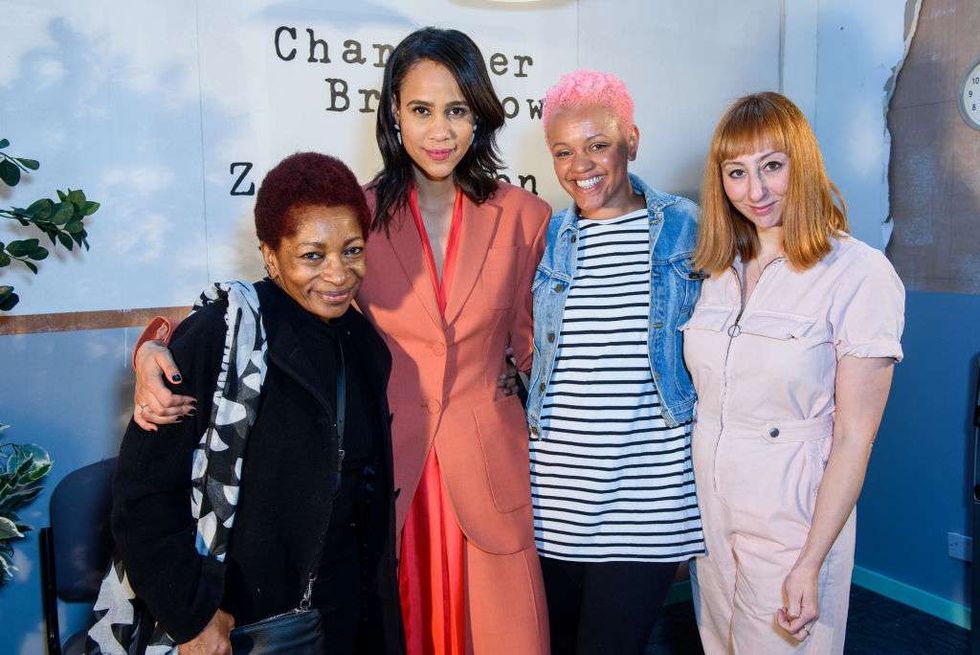 Bonnie Greer, Zawe Ashton, Gemma Cairney and guest at the "Character Breakdown" by Zawe Ashton book launch at Wild By Tart on April 03, 2019 in London, England. Photo by Joe Maher/Getty Images
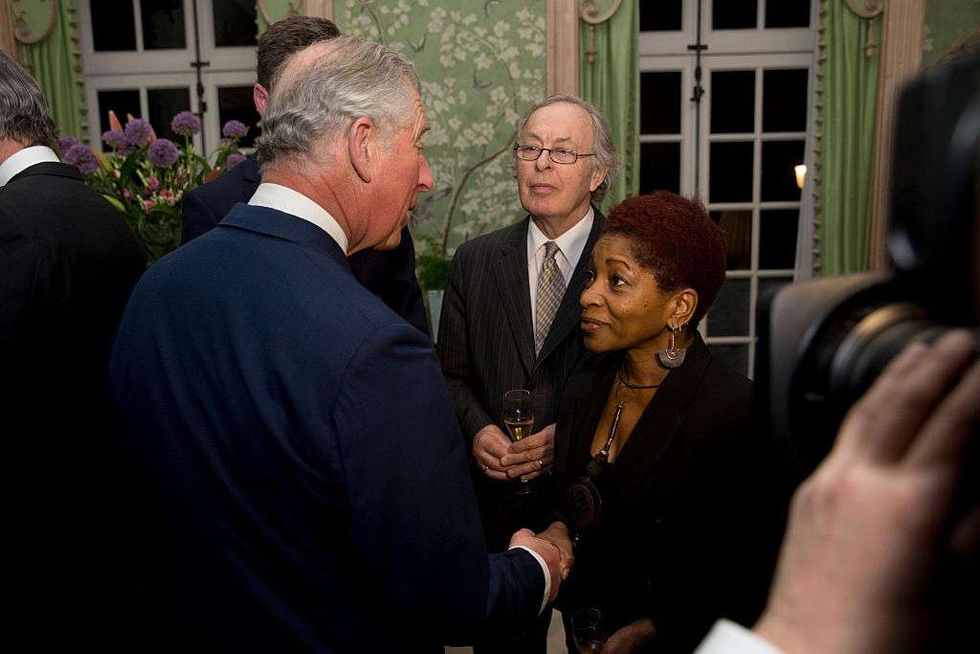 Prince Charles, Prince of Wales meets American-British playwright, novelist and critic Bonnie Greer, right, during a reception for Americans living and working in the UK, at the official residence of the U.S. Ambassador to Britain, Winfield House on March 9, 2015 in London, United Kingdom. The reception was held Monday evening ahead of Prince Charles and his wife Camilla visiting the U.S. next week. Photo by Matt Dunham - WPA Pool/Getty Images
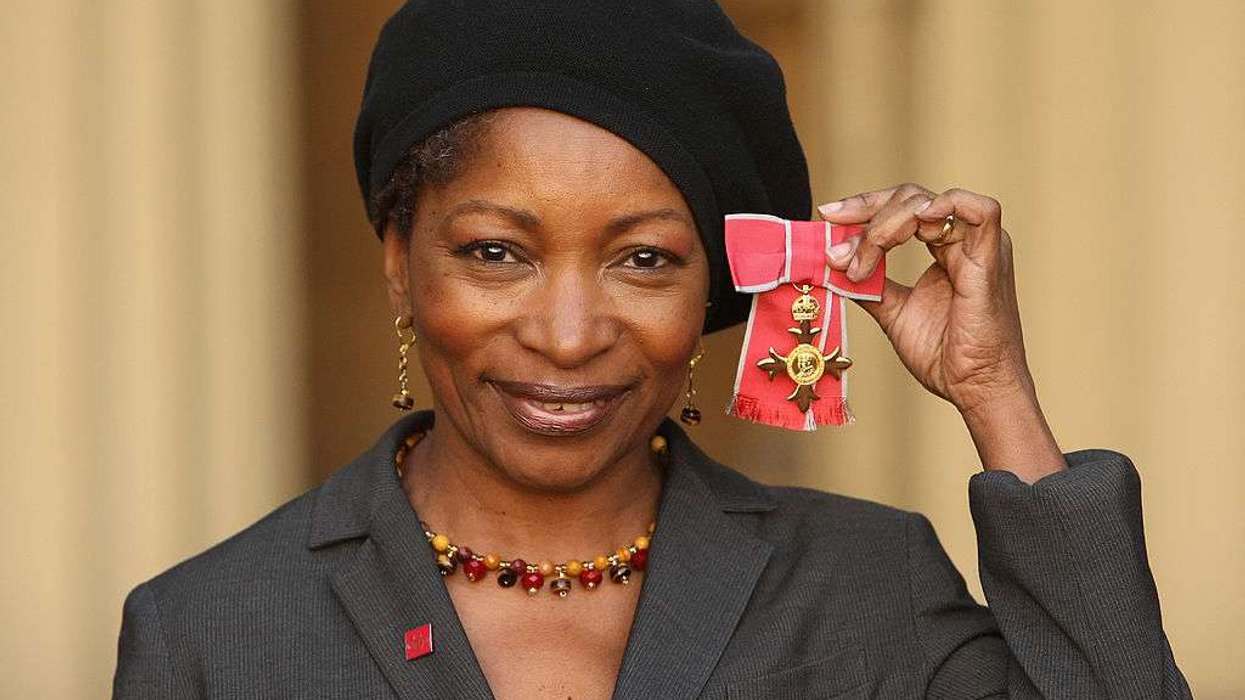
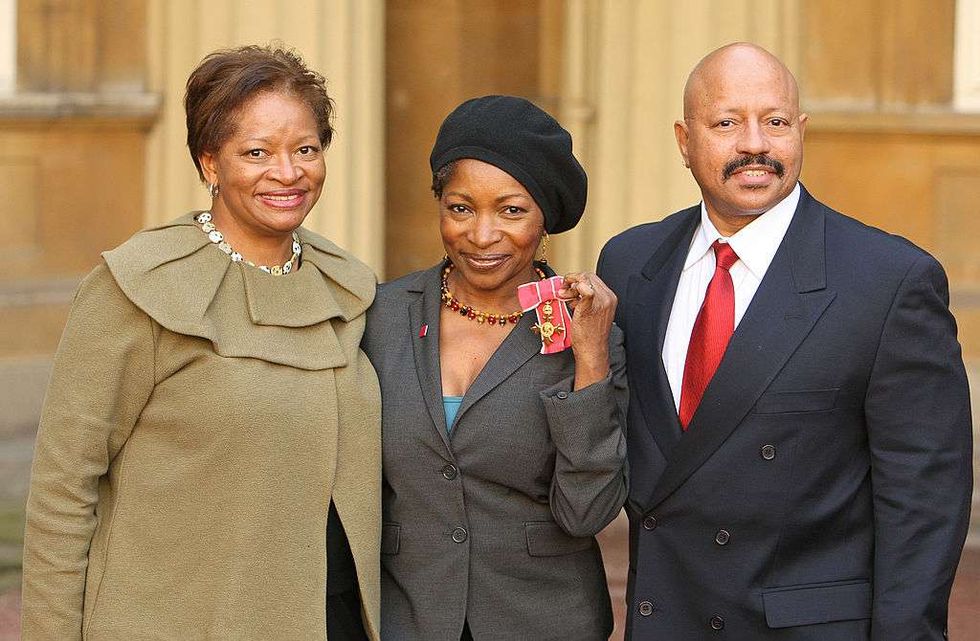 Playwright Bonnie Greer, (C) poses with her sister Regina Greer-Smith, and brother-in-law Theron Smith, after she was awarded her Officer of the British Empire (OBE) medal from the Prince of Wales, at an investiture ceremony at Buckingham Palace, November 19, 2010 in London. Dominic Lipinski - WPA Pool/Getty Images